
There are not many options when it comes to cancer-specific blood biomarkers helping doctors diagnose new patients, and on top of that, most cancer types also lack early-stage screening tools.
Thankfully, researchers have developed a new cancer-detecting blood test that can catch five common types of cancer, four years before any other existing diagnostic tool. It’s the most promising type of cancer blood test developed over recent years, as it looks for signs of tumor DNA in a person’s bloodstream. This test is called PanSeer. It works by detecting DNA methylation patterns known to be linked with abnormal mutations the lead to cancer.
The researchers analyzed a dataset called the Taizhou Longitudinal Study to understand better how well the PanSeer test can detect cancers before conventional diagnostic methods. The study followed more than 100,000 volunteers for ten years, regularly collecting blood samples and tracking overall health. This extensive dataset allowed the PanSeer team to trial the blood test on samples from patients’ years before they were diagnosed with cancer.
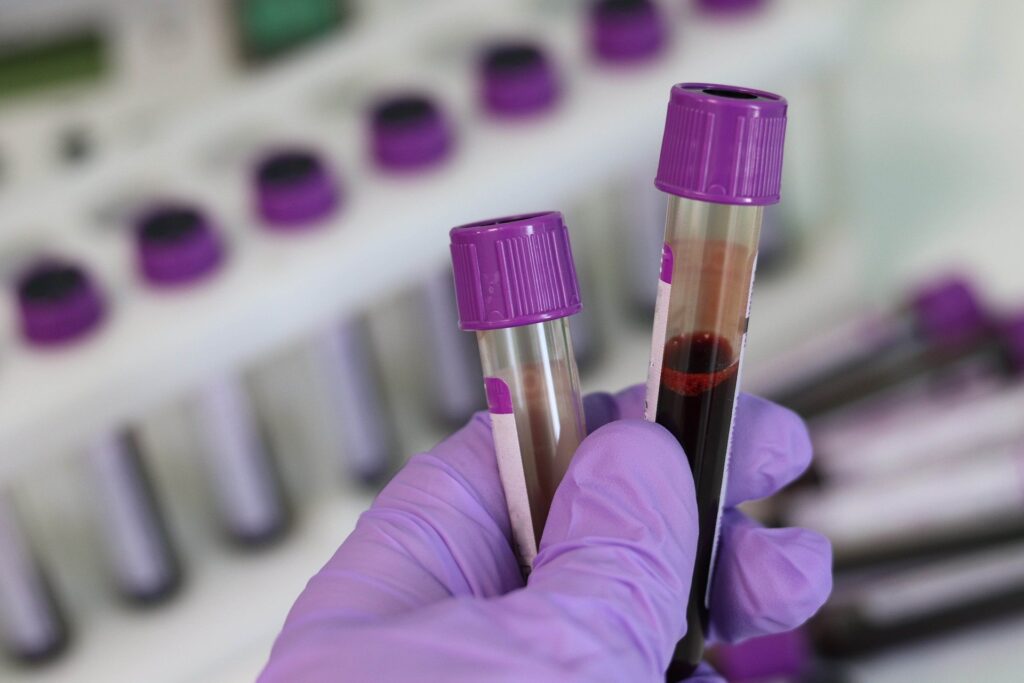
The results, detailed in the journal Nature Communications, showed that the test was 91% effective at detecting the disease in patients between one and four years before they were diagnosed with cancer. The Five types of cancer that were identified by the test include liver, colorectal, lung, esophageal, and stomach. The PanSeer test doesn’t detect risk factors for upcoming cancers; instead, it spots traces of early-stage cancerous growths, while an individual is still asymptomatic.
Zhang, the study’s corresponding author from UCSD, said:
The ultimate goal would be performing blood tests like this routinely during annual health checkups. But the immediate focus is to test people at higher risk, based on family history, age, or other known risk factors.
The only downfall is that the test can’t determine precisely what kind of cancer a person may have. It can only detect abnormalities that need a follow-up diagnostic examination to pinpoint precisely the whereabouts of the cancer. Regardless, further verification of the test’s efficiency is needed before its clinically available. The researchers believe this new detection tool will help doctors catch and treat cancers at their earliest stage than ever before.


