
The stakes in healthcare are among the highest in any profession. Daily decisions made by medical professionals can determine patient outcomes. In high-pressure environments like emergency rooms, intensive care units, and operating theaters, teams must perform with speed, accuracy, and confidence. Errors in these settings are costly and can have severe consequences.
A medical team that can handle such pressure requires more than just clinical expertise; it needs a foundation of trust, effective communication, and a strong organizational culture. Healthcare workforce providers, such as MASC Medical, are working with hospitals and healthcare systems to find and place high-performing individuals who excel under pressure.

Recruitment Strategy: Identifying Pressure-Tolerant Professionals
The strength of any medical team is rooted in its individual members. The hiring process should evaluate candidates for more than just clinical skills. Key qualities for high-pressure roles include:
- Resilience: The ability to remain composed and effective during stressful events.
- Collaboration: A proven capacity to work seamlessly with other team members.
- Adaptability: The skill to adjust to rapidly changing circumstances and solve problems effectively.
Screening processes, behavioral evaluations, and targeted interviews can help healthcare organizations identify candidates who remain composed under pressure. Professional recruitment services can also help facilities source specialized sociology and technology professionals.
The Foundation: Fostering A Culture of Psychological Safety and Trust
Once the right members are in place, trust becomes the most critical element for teamwork. Under pressure, team members must rely on one another to execute tasks seamlessly. When trust is lacking, hesitation and poor communication can lead to critical errors. Trust is built within a culture that promotes mutual respect, values every contribution, and encourages open communication.
Leadership must foster an environment of psychological safety. This means creating a space where team members feel comfortable voicing concerns, asking questions, and admitting mistakes without fear of retribution. Trust is built through shared experiences, transparency, and a unified commitment to patient care.
Advanced Preparation: Training For High-Stakes Scenarios
Continuous training is essential for teams that perform under pressure. While clinical training is fundamental, simulations and scenario-based exercises can significantly improve a team’s ability to make sound decisions. Effective training includes:
- Mock Codes: Simulating cardiac arrest events to practice resuscitation protocols.
- Trauma Simulations: Recreating complex trauma scenarios to improve coordination.
- Crisis Response Drills: Practicing responses to large-scale emergencies or system failures.
These activities help identify weaknesses and make teams more adaptable. Organizations must provide resilience and stress management training alongside technical education to help employees remain calm under pressure.
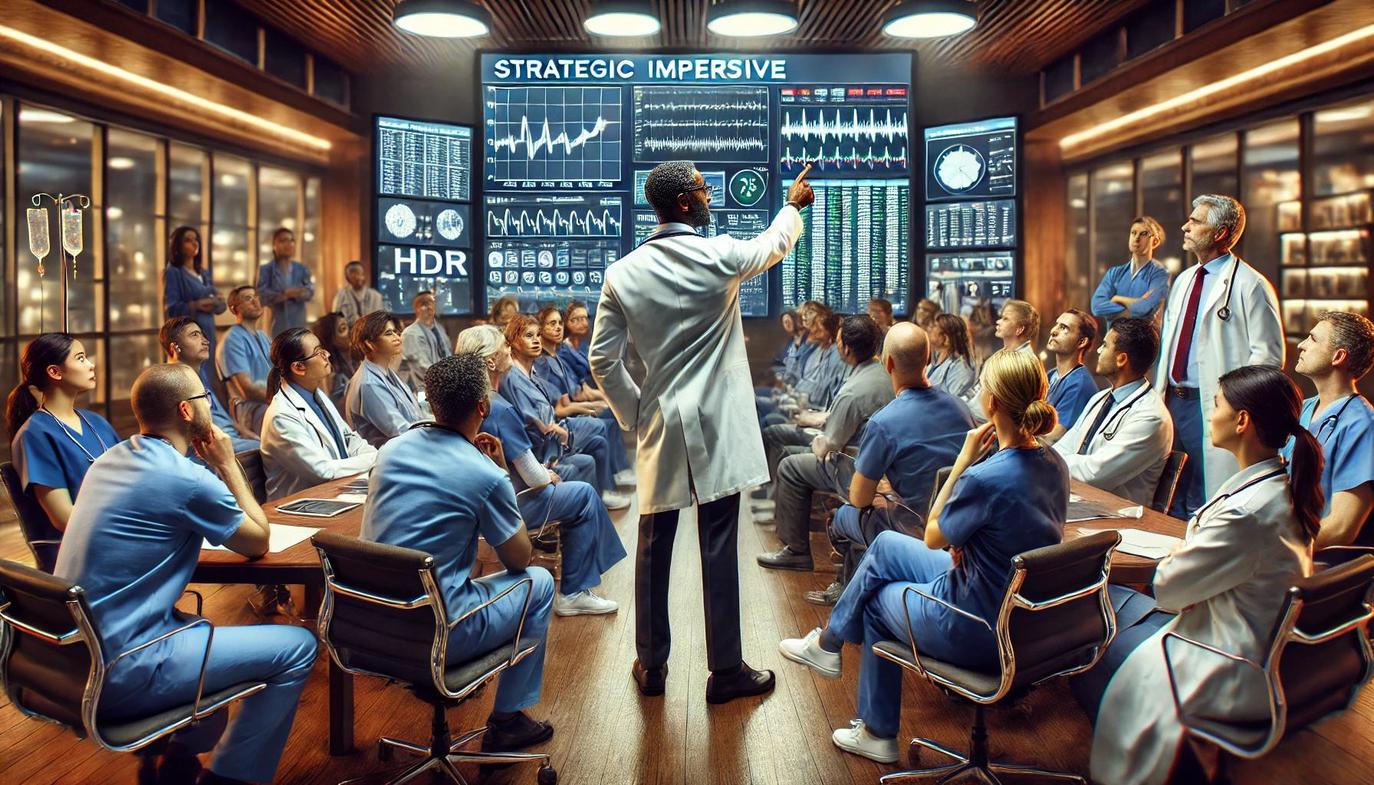
Strategic Imperative: The Critical Role of Leadership
Strong leadership is indispensable for high-pressure medical teams. Leaders set the tone for the organization, regulating their team’s emotional state and behavior during crises. Effective leaders balance authority with empathy, providing clear direction while remaining receptive to their team’s input. They must also be skilled at resource allocation, which includes preventing staff overwork and ensuring everyone has the support they need. Leadership development should be a priority for healthcare organizations, as pressure-tolerant leaders boost team confidence and performance.
The Lifeline: Mastering High-Stakes Communication
In high-stress situations, effective communication is a major factor in patient safety. In fast-paced medical environments, communication breakdowns are the primary cause of most medical errors. Clear communication protocols, such as closed-loop communication, help ensure that instructions are understood and executed correctly. Regular debriefings following critical events allow teams to evaluate their performance and identify areas for improvement. A culture that prioritizes polite and open communication directly improves both patient outcomes and overall team efficiency.
Sustaining Performance: Developing Long-Term Team Resilience
Stress is unavoidable in demanding fields like healthcare. The risks include exhaustion, chronic stress, and burnout. Organizations must prioritize building resilience to maintain effective teams. This requires a commitment to several key areas:
- Equitable Scheduling: Preventing overwork and ensuring adequate rest.
- Mental Health Support: Providing accessible resources for stress and burnout.
- Work-Life Balance: Promoting policies that allow staff to disconnect and recharge.
An organization that neglects the well-being of its staff risks losing valuable talent to burnout. A supportive organizational structure and strong interpersonal relationships are crucial for preserving team resilience over time. Furthermore, consistently showing gratitude for medical personnel reinforces a positive and sustainable culture.

Building Resilient Teams for Superior Patient Care
Developing a medical team that excels under pressure is a dynamic process, not a singular achievement. It requires a deliberate investment in every aspect of the team’s ecosystem, from strategic recruitment and fostering a deep culture of trust to providing continuous, scenario-based training. Strong leadership and clear communication protocols serve as the framework that holds these elements together, allowing the team to function as a cohesive unit when it matters most.
The resilience of a medical team is directly linked to patient outcomes. Prioritizing the well-being of staff, promoting open dialogue, and committing to continuous improvement builds a workforce capable of navigating crises with confidence and precision. This foundational strength is what enables medical professionals to deliver exceptional care in the most demanding circumstances.
Key Questions on Building High-Performing Medical Teams
What Is the Most Important Factor in a High-Pressure Medical Team?
A culture of psychological safety and trust is arguably the most critical factor, even beyond clinical skill. It allows for open communication, enables team members to admit mistakes without fear, and ensures seamless collaboration during a crisis.
How Can Healthcare Leaders Prevent Team Burnout?
Preventing burnout requires championing a healthy work-life balance, ensuring equitable scheduling, providing accessible mental health resources, and actively recognizing staff contributions. Protecting the team’s well-being is essential for long-term resilience.
Why Is Simulation Training Better Than Technical Training Alone?
Simulation training recreates high-stakes scenarios in a safe environment. This allows teams to practice communication, decision-making, and teamwork under pressure, building a muscle memory for crisis response that technical training alone cannot achieve.


