
The principles of minimalism offer more than a clean aesthetic; they provide a strategic foundation for the modern minimalist smart home. By emphasizing intentional living, this design philosophy clears away physical and visual clutter, allowing smart technology to function more intuitively within calm minimalist interiors. Instead of competing for attention, technology becomes an integrated, seamless component of a space designed for clarity and purpose.
This fusion of form and function naturally promotes sustainable design. A commitment to fewer, higher-quality items reduces waste, while the efficiency of integrated smart technology lowers energy consumption. This guide explores how embracing minimalism is the key to unlocking a more advanced form of smart living—one where your home is not just automated but also serene, efficient, and perfectly aligned with a mindful lifestyle.

The Power of Intentional Curation
When you strip away excess, what’s left becomes essential. In minimalist living spaces, the items you keep must serve a function, spark joy, or both. This principle extends across all elements of your home, creating a cohesive environment:
- Intentional Furniture Selection: Focus on pieces that blend form and function, reducing the need for single-purpose items.
- Integrated Lighting Solutions: Utilize smart, dimmable, and automated lighting to create ambiance without cluttering surfaces with lamps.
- Concealed Storage Systems: Emphasize built-in or hidden storage to maintain clean lines and keep daily-use items out of sight.
In a space free of visual clutter, your smart home systems can perform optimally and feel more impactful:
- Intuitive Voice Control: A clutter-free environment improves microphone accuracy and makes voice commands a more natural part of the home.
- Seamless Automated Lighting: Minimalist design allows the effects of automated lighting—like circadian rhythm schedules—to become a primary feature of a room’s atmosphere.
- Discreet Wellness Sensors: Air quality and sleep trackers can be integrated invisibly, focusing on data and well-being without adding visual noise.
With every object intentional and every surface purposeful, minimal interiors amplify the impact of smart technology by offering clear, unobstructed environments. You focus only on what matters, creating an effortless interaction with your home.
How Minimalism Supports Sustainability
A core tenet of minimalist design is its focus on durability and flexibility. Having fewer items of furniture means less waste and requires selecting pieces that are built to last and versatile enough to be used in several ways.
Fewer pieces of furniture in your space create simpler navigation and reduced visual noise. Minimal rooms become practical showcases for sustainability. They demand greener materials, modular units, and products that earn their place through longevity.
For example, choosing to have a few high-quality items near the center of your home that serve multiple roles aligns with a low-waste philosophy. This approach supports mindful choices and allows your home to evolve naturally rather than forcing constant trends.
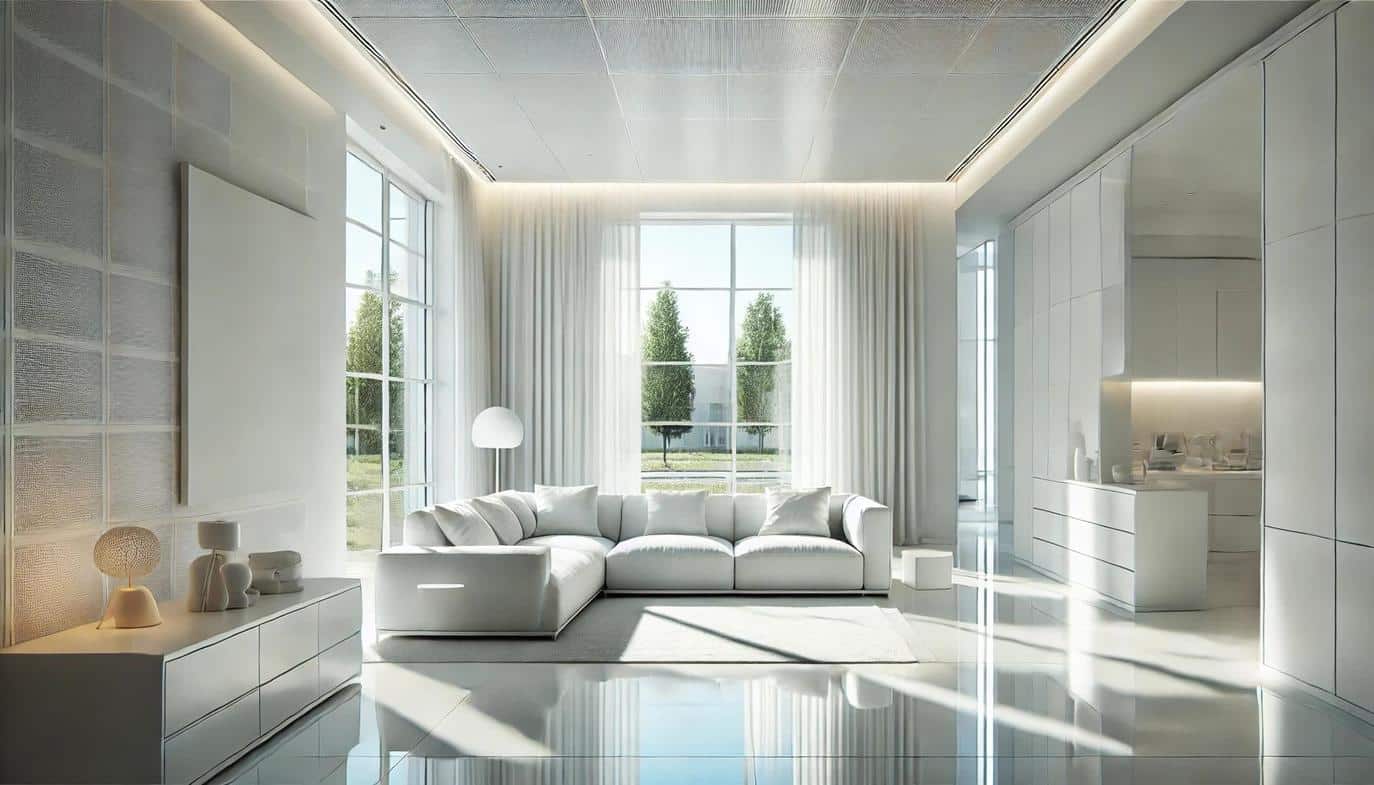
Using White to Enhance Light and Space
White furniture can feel sophisticated, expansive, and surprisingly grounding. In minimal interiors, a white piece offers quiet confidence that complements modern technology.
A white sofa selected to match minimalist aesthetics and smart functionality, for example, honors clean lines while serving as a canvas for lifestyle dynamics. It draws the eye without stealing focus from thoughtful automation features and sustainable finishes, making a room feel brighter and more alive.
White surfaces also reflect light, enhancing natural daylight and minimizing reliance on artificial lighting. And because they pair seamlessly with most smart gadgets, especially those that glow or pulse, they create cohesive visual harmony.
Smart Design Choices That Echo Minimalism
Minimalism and smart living intersect beautifully in how they streamline experiences. Consider the shift to voice-activated lighting control or app-based climate automation. These tools eliminate clutter, such as the need for numerous switches, while supporting wellness through ease.
Furniture should mirror this streamlined approach, blending form and function seamlessly. Key examples include:
- Modular seating that can be reconfigured for different needs.
- Hidden storage to keep spaces uncluttered.
- Clean shapes that serve as both visual anchors and functional tools.
Integrating smart technology, such as a motion sensor near a seating area, can then encourage comfort and awareness without adding visual distractions, enhancing rather than interrupting serenity.

Curating Calm Through Thoughtful Materials
Minimalist homes often invite texture to keep them from feeling sterile. Natural fibers such as linen, wool, or sustainably sourced cotton lend softness. When rendered in neutral tones like off-white, dove gray, or soft beige, these materials create a cohesive and warm ambiance. Light wood grains or matte metallic accents highlight craftsmanship, not excess.
Integration with technology becomes almost invisible. Smart climate control vents or embedded lighting converge with these refined surfaces so your living environment remains serene and sophisticated.
Everyday Maintenance, Elevated
Minimalism emphasizes clarity not just in design but in upkeep. Having less clutter means fewer items to clean or maintain. When you choose one well-crafted sofa in white, rather than several fast-fashion pieces, you simplify care routines. Care routines become mindful practices rather than burdensome chores.
That simplicity extends to tech. A sleek Wi-Fi hub instead of a cluttered media console, or an ultrasonic humidifier that fits discreetly in a corner, allows smart living to enhance ease rather than add disruption.
Quality Over Quantity as a Living Value
Minimalism isn’t about deprivation; it’s about investing deeply in fewer things. A single, well-chosen sofa crafted from natural fabrics, with a design that blends comfort and beauty, can support your life in ways multiple chairs never could. When every piece is chosen with intention, it carries significance and fosters mindfulness.
This principle applies equally to smart systems. Install only what contributes to your life’s quality and skip what doesn’t. When design and technology serve your daily routines with clear purpose, both feel more meaningful.

A Blueprint for Serene, Intelligent Living
Embracing minimalism is not about scarcity; it is about intentionality. By curating a space with fewer, higher-quality items, you create an environment where smart technology can seamlessly integrate rather than dominate. This approach naturally supports sustainability by prioritizing durable goods and reducing waste, while a calm palette enhances both natural light and the subtle interfaces of your smart devices.
A minimalist smart home is a holistic ecosystem where design choices amplify technological function, sustainability is a byproduct of mindful consumption, and technology serves to enhance the human experience within the home. This synergy creates a living environment that is not only efficient and intelligent but also serene and deeply personal.
Frequently Asked Questions on Minimalist Smart Homes
How does minimalism benefit smart homes?
Minimalism creates intentional spaces where every item has a purpose. This makes smart features like automated lighting or climate control feel more integrated rather than overwhelming. Without clutter, it’s easier to appreciate how these systems simplify daily life and support comfort.
Is white practical in everyday living environments?
Yes. Modern fabrics are more durable than many expect, with options that resist stains and spills. Removable cushion covers and protective treatments make maintenance manageable. White also reflects light, helping small spaces feel open and bright.
Can minimalist spaces feel warm?
Absolutely. While minimalism favors clean lines, the addition of natural materials and layered textures keeps rooms from feeling cold. Think soft linen, warm wood, and subtle lighting. These elements add depth and comfort without crowding the space.
How do I balance minimalist design with smart tech?
Look for discreet devices and systems that blend into the background, such as hidden speakers or recessed lighting. Give priority to tools that significantly enhance the value of your home, ensuring that visible gadgets don’t overpower it.
Is minimalism sustainable?
Yes. Focusing on fewer, higher-quality pieces reduces waste and encourages long-term thinking. Durable furniture and energy-efficient smart systems both extend the lifespan of your home environment while lowering your overall footprint.
How can a sofa reinforce minimal smart design?
A single well-chosen sofa can act as both a visual anchor and a functional centerpiece. When its design aligns with the room’s clean aesthetic, it enhances the flow of technology and complements the minimalist feel without distraction.

