
Circular solutions are now moving from promising research into everyday reality. The short answer is yes. In 2025, the first wave of commercial enzymatic recycling milestones arrived, including signed multi-year biorecycled PET sales contracts and the opening of the first enzymatic recycling plant. They are market signals that brands can now buy recycled molecules at scale.
Here is the part that matters at home. The same waste-to-growth logic that turns plastic back into feedstock is now accessible in the backyard. Household biodigesters convert kitchen scraps into cooking gas and nutrient-rich liquid fertilizer with published specifications, operating guidance, and peer-reviewed field data to keep expectations realistic. Think of it as a two-loop circular stack: plastics and textiles flow back to monomers for brands, while organics turn into energy and plant food for households.
Key Milestones in the Circular Economy
- Contracts On The Board: Carbios signed multi-year biorecycled PET sales contracts with L’Oréal and L’Occitane in May 2025, tying supply to its Longlaville project.
- First Plant Online: Samsara Eco announced its first enzymatic recycling plant, designed to process mixed and colored plastics for brand-grade inputs.
- Science Check: Nature-portfolio articles outline recent advances in PET-active enzymes and call for standardized test conditions so results translate to factories.
- How Anaerobic Digestion Works: The EPA explains that microbes break down organic waste without oxygen to produce biogas and digestate, both useful resources.
- Household Biodigester Outputs: HomeBiogas lists HBG2 and HBG4 models with approximately 2 to 4 hours of daily cooking gas and 8 to 16 liters of fertilizer under suitable conditions.
- Field Evidence Exists: A 2025 community case study measured household food waste characteristics and digestate nutrients across real homes. A 2024 systematic review flags the design features that make small digesters succeed.
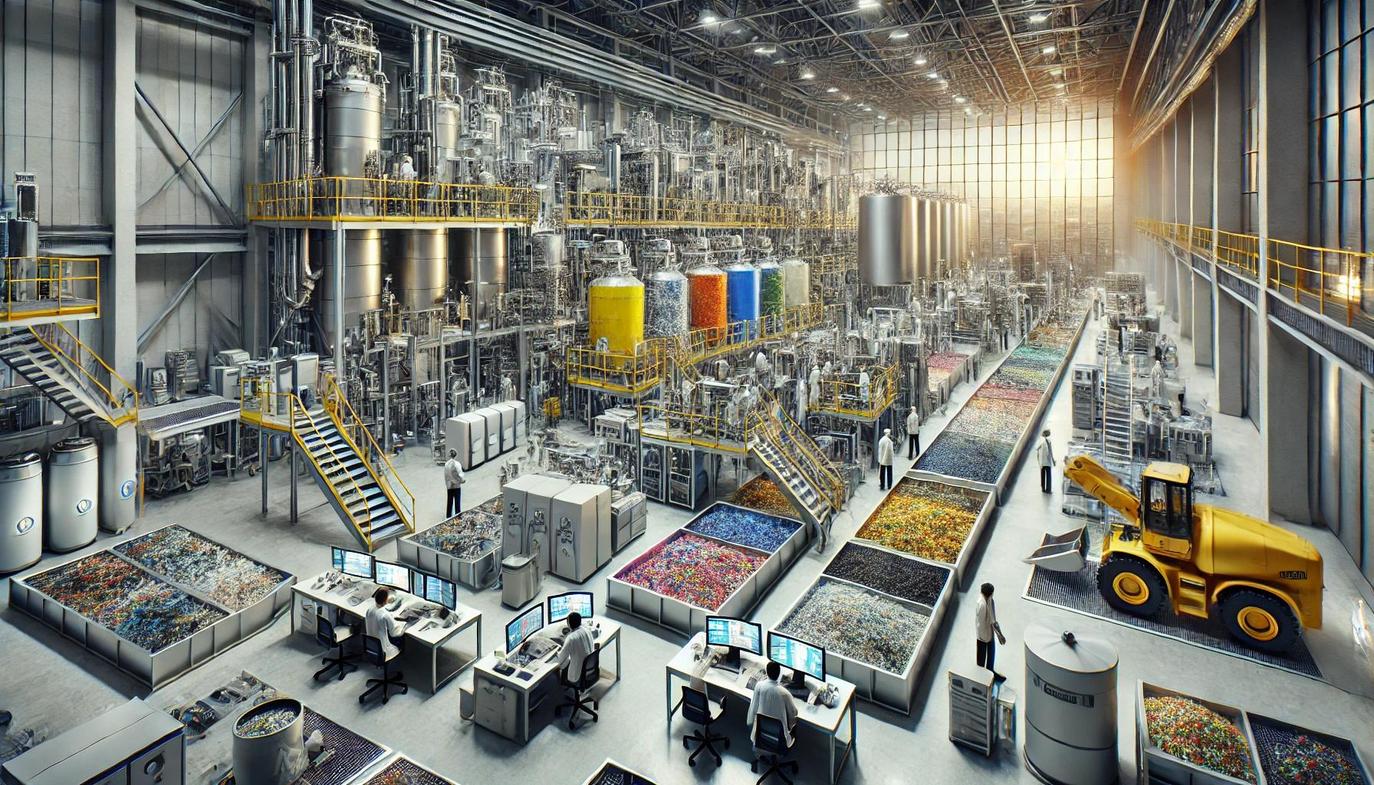
The Commercial Shift: Why Enzymatic Recycling is “Real Now”
Contracts On the Board
Brands are not waiting on theories; they are signing purchase agreements. Carbios announced its first multi-year sales contracts for biorecycled PET with two global cosmetics leaders. Contracts matter because they unlock bankable demand and catalyze the downstream investment required to build, optimize, and operate plants over time. Carbios’ newsroom and wire releases provide dates, counterparties, and the Longlaville connection.
First Plant Online
Samsara Eco reports that its first enzymatic recycling facility is now operating in Australia. Trade outlets describe a plant designed for hard-to-recycle streams, including multi-layered and colored plastics, with AI-engineered enzymes that depolymerize material into brand-grade monomers for nylon 6,6 and polyester. Plant commissioning is a threshold event because it converts a lab-validated pathway into steady industrial runs, supply chain learning, and product release.
What The Science Actually Says
Peer-reviewed work in the Nature portfolio tracks recent advances in PET enzyme engineering, noting the gains in thermostability and activity that make continuous processing more practical. A companion perspective stresses the importance of standardized assays and PET samples that reflect industrial realities, so performance data are comparable across labs and vendors. This is the essential work that makes commercial contracts possible. Proof is not just a clever enzyme. Proof is repeatability.
Challenges to Scale
Even with contracts and a first plant, practical hurdles remain. Financing schedules can slip during scale-up. Local permitting, feedstock logistics, and customer qualification runs all add time before nameplate capacity is achieved. That is why pairing market signals with transparent updates and diversified brand partnerships matters over the next 12 to 36 months. Industry coverage and company disclosures offer continuing context on scale, offtake, and timelines.

Home Biodigesters: Turning Scraps into Fuel
How Anaerobic Digestion Works
Anaerobic digestion is a natural process where microbes break down organic material without oxygen. The result is biogas, a usable fuel primarily made of methane and carbon dioxide, and digestate, a liquid fertilizer rich in plant nutrients. The EPA explains that microbes break down organic waste without oxygen, producing two useful resources: biogas and digestate.
If you think of your kitchen scraps as fuel and fertilizer rather than trash, the logic becomes intuitive.
Choosing Your System
HomeBiogas units are right sized for daily kitchen waste and a predictable trickle of fertilizer, creating reliable supplemental energy and soil nutrients with clear operating limits.
HomeBiogas 2: Compact, Everyday Performance
The HBG2 lists a digester volume around 2.0 cubic meters and a gas bag of roughly 480 to 700 liters, with nominal gas pressure of 10 mbar. The spec table shows typical use of about 2 hours of single-burner cooking per day, handling up to 6 liters of kitchen waste, and producing up to 8 liters of liquid fertilizer. Dimensions help you plan the footprint, and the support pages outline installation considerations like sun exposure and proximity to the kitchen.
HomeBiogas 4: Larger Households, Longer Burn
The HBG4 increases capacity with a larger digester and gas storage, targeting about 4 hours of daily single-burner cooking and up to 16 liters of fertilizer. The product manual covers gas line lengths, pressure regulation, and safe routing, which matter for consistent flame quality and safer operation. If you cook for a bigger family or want more fertilizer output, this model is the usual step up.
Before You Buy: Safety And Setup That Make or Break Performance
- Placement and Temperature: Install outdoors in a sunny spot and protect against cold snaps, since gas production drops with lower temperatures. Follow the manufacturer’s siting notes.
- Piping, Pressure, And Condensate: The EPA AgSTAR Operator Guidebook explains why piping should be sloped, why condensate traps are needed, and how routine leak checks keep systems safe. Even small home runs benefit from these habits.
- Feedstock Prep: Chop scraps to speed digestion and avoid grease overloads. System manuals and case studies show that consistent inputs are key to steady gas.
- Realistic Expectations: A 2024 systematic review summarizes common pitfalls in small-scale designs and emphasizes reliable monitoring and temperature control. Use that guidance to choose equipment and plan routine checks.
What You Can Expect Day to Day
With suitable conditions and steady feeding, HBG2 and HBG4 systems deliver roughly 2 to 4 hours of cooking gas per day and a continuous stream of liquid fertilizer. On cold weeks or during holidays when feeding patterns change, outputs will vary. The 2025 household-scale case study found measurable nutrient content in digestate from real homes, which is encouraging for gardeners who want a closed loop.
Using The Fertilizer Well
Digestate is valuable, but it is not a magic potion. Treat it like a liquid nutrient concentrate. Apply to soil around plants rather than leaves, dilute as recommended by your system guide, and avoid runoff into waterways. By combining published system manuals with AgSTAR safety guidance, you get a practical baseline for dosing, storage, and handling.

Connect The Loops: Household, City, And Brand
Home Node: Turn Organics into Energy and Plant Food
Household biodigesters close a daily loop that every kitchen generates. Microbes convert food scraps into usable cooking gas and a steady stream of liquid fertilizer. For those new to anaerobic digestion, the EPA’s plain-English explainer on how anaerobic digestion works makes the inputs, outputs, and safety basics crystal clear.
At the consumer scale, modern systems publish realistic performance bands. The HomeBiogas 2 is sized for compact daily feeding and typically supports around 2 hours of single-burner cooking with roughly 8 liters of nutrient-rich liquid fertilizer per day under suitable conditions. The HomeBiogas 4 steps that up to about 4 hours of cooking and roughly 16 liters of fertilizer, with manuals specifying gas line lengths, nominal pressure, siting, and routine checks. These are not theoretical numbers. They are drawn from public spec sheets and handbooks that help you plan footprint, routing, and day-to-day operation.
City Node: Scale Local Impact With Programs And O&M Know-How
Cities amplify the same biology by aggregating organics. Programs that collect food waste feed community or municipal digesters, which then supply gas to facilities and send nutrient-dense digestate back to soils. For those advising a neighborhood, bookmark the EPA AgSTAR Anaerobic Digester Operator Guidebook for piping layouts, condensate traps, pressure management, and routine inspections. Good operating habits at a small scale mirror the procedures that keep larger plants safe and productive.
Brand Node: Enzymes Turn Plastics And Textiles Back Into Feedstock
On the brand side, enzymatic recycling has crossed important thresholds. Carbios signed multi-year biorecycled-PET sales contracts with global customers, a commercial signal that supports financing and long-run operations. In parallel, Samsara Eco opened its first enzymatic recycling plant designed to handle difficult streams like mixed and colored plastics while supplying brand-grade monomers for polyester and nylon 6,6. These milestones matter because they move the story from promising pilots to repeatable supply.
The science enabling those factories has matured too. Nature-portfolio papers detail recent advances in PET-active enzyme engineering and push for standardized test methods so performance results travel cleanly from lab benches to industrial conditions. That standardization work is what turns clever enzymes into reliable procurement.

Start Your Circular Home Today: Practical Next Steps and Incentives
Circular innovation is happening at every scale. On the commercial side, enzymatic recycling is moving from lab to factory, with major brands signing supply contracts for biorecycled PET. At home, household biodigesters offer a practical way to close the loop on organic waste, turning kitchen scraps into usable energy and nutrient-rich fertilizer. The waste-to-growth model is no longer a concept—it’s a reality that can transform both global supply chains and daily household routines.
Circular economics is not just a brand strategy. It is a household practice you can start now. Begin with efficiency so your home needs less energy. Layer in solar or BIPV so you generate clean power on-site. Add a right-sized biodigester so your kitchen scraps become cooking gas and liquid fertilizer. At the same time, keep an eye on commercial signals like biorecycled-PET sales contracts and the first enzymatic recycling plants because they tell you when brand supply chains can turn waste back into reliable feedstock.
A 12-36 Month Circular Home Roadmap
Step 1: Efficiency First. Use the DOE Energy Saver Guide to cut loads with air sealing, insulation, smart controls, and right-sized HVAC. Lower demand makes every generation source more effective.
Step 2: Generate Clean Power. Plan rooftop solar or building-integrated photovoltaics using the DOE Homeowner’s guide and the 2025 IEA-PVPS BIPV Technical Guidebook. These resources cover site assessment, permitting, warranties, and design options for roofs and façades.
Step 3: Add A Household Biodigester. Match your family’s waste volume and climate to the right model. Follow the EPA how anaerobic digestion works primer plus AgSTAR’s O&M best practices for siting, gas routing, and safety.
Step 4: Capture Incentives. Use DOE’s Energy Saver portal to locate incentives, financing, and local programs that can reduce out-of-pocket costs and accelerate payback. Then, plug into incentives that lower costs and shorten payback.
Frequently Asked Questions About Enzymatic Recycling and Home Biodigesters
Is Enzymatic Recycling Really Beyond Pilot Work Now?
Yes. You can point to signed biorecycled-PET sales contracts and the first enzymatic recycling plant in operation. Peer-reviewed work also documents enzyme performance improvements and the need for standardized test conditions so factories can trust lab data.
Will a Household Biodigester Replace My Stove?
No. Think of it as supplemental energy plus fertilizer. Published specs for HomeBiogas 2 and HomeBiogas 4 translate to roughly 2 to 4 hours of single-burner cooking per day under suitable conditions, along with a steady stream of liquid fertilizer.
What Are the Most Important Safety and Maintenance Practices?
Follow siting and piping guidance, keep gas lines within specified lengths and slopes, and install condensate traps. Perform routine leak checks and maintain stable feeding habits. The AgSTAR Operator Guidebook lays out practical O&M that scales down well for home systems.
How Do I Plan a Circular Home Without Overspending?
Start with the DOE Energy Saver Guide to reduce loads first. Use the Homeowner’s Guide To Going Solar for site, permitting, and warranty steps, then choose a biodigester that matches your waste volume and climate. Look up incentives and financing before you buy to lower upfront cost.
Where Can I Read a Plain-Language Overview of Anaerobic Digestion?
The EPA’s Basic Information About Anaerobic Digestion page explains the process, the biogas you can use for cooking, and the digestate you can apply to soil. It is the best first read for new buyers.


