
The image of modular construction has long been stuck in a temporary rut, characterized by sterile site offices, cramped portable classrooms, and utilitarian mobile offices that prioritize function over aesthetics. But the narrative has shifted. Today’s modular buildings are shedding their impersonal skin, emerging as warm, durable, and deeply personalized spaces. Far from the boxy units of the past, modern modular design proves that a home built in pieces can feel wholeheartedly like home. Here is how the industry is bridging the gap between factory efficiency and emotional comfort.
The Evolution from Temporary to Timeless
Historically, relocatable buildings and mobile offices served a purely practical purpose: to get them in, use them, and then get them out. While these structures are still invaluable for construction camps or disaster relief, the technology has evolved to support permanent modular buildings that are indistinguishable from site-built homes.
Today, the same principles of modular construction that house workers in remote locations are being used to build elegant civilian and military housing, proving that durability and design can coexist. A structure that once served as a temporary containerized facility on a work site can now be reimagined as a chic backyard studio or a multi-story urban residence.
Precision Engineering in a Controlled Environment
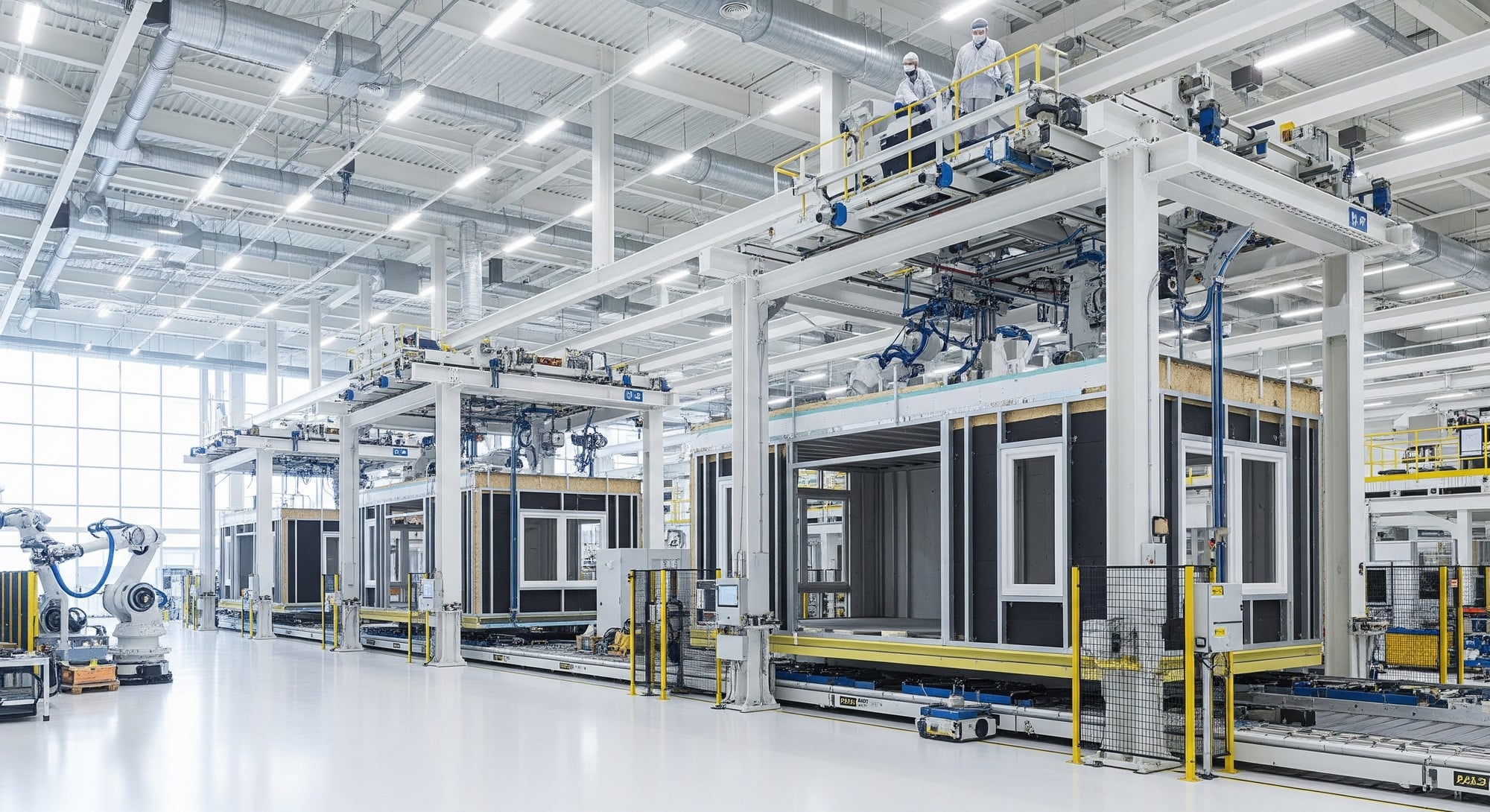
The secret to the quality of a modern modular home lies not at the mercy of the weather, but within the walls of a factory. By moving the construction process indoors, builders eliminate the variables of rain delays and material theft. In this manufacturing environment, precision is paramount.
Unlike traditional stick-built methods, a fabrication environment utilizes lean manufacturing techniques to ensure that every cut is exact and every joint is secure. This production efficiency means that modular home prefab sections are built to tighter tolerances than traditional homes, resulting in better air sealing, higher energy efficiency, and fewer settling issues over time.
When the modules arrive on site and are craned into place, the fit is seamless, wherein the line where modules join disappears behind a simple gypsum ceiling or finished flooring. If you need help building a modular home, check out custom solutions from a reputable containerized facility provider.
Design Flexibility: Breaking the Mold of Uniformity
One of the biggest misconceptions about modular living is that you are limited to a catalog of boring boxes. In reality, floor plans today are as diverse as the people who inhabit them. Whether you are looking at sleek urban apartments or sprawling rural retreats, custom floor plan development allows architects to tailor every inch to your lifestyle.
Homeowners can work with designers to modify existing layouts or start from scratch, specifying everything from the width of hallways to the placement of windows. This extends to the exterior as well; exterior siding options range from traditional clapboard to modern fiber-cement panels that mimic stone or wood.
Inside, the level of personalization rivals any custom build. You can select high-end fixtures, install steel exterior doors for security and style, and configure private offices or flexible guest suites that meet your specific project requirements.
Beyond the Single Home: Modular Complexes and Communities
The flexibility of modular building extends far beyond the single-family dwelling. As urban populations densify, developers are turning to modular complexes to deliver housing faster than traditional methods allow. These projects range from low-rise apartments to high-density condominiums, all built using the same principles of off-site fabrication.
For commercial or institutional needs, modular school buildings and modular office configurations offer the ability to expand or adapt with minimal disruption to the surrounding environment. A school district facing a sudden influx of students, for example, can bypass the lengthy traditional bidding process and install high-quality, permanent modular classrooms in a fraction of the time.
Similarly, businesses can create dynamic workspaces with modular office buildings that can be reconfigured as teams grow, avoiding the upheaval of a traditional renovation. This adaptability ensures that the workspace evolves in lockstep with the company, providing a truly future-proof solution.

The Efficiency Advantage: Speed, Cost, and Sustainability
While aesthetics are important, the practical benefits of modular are what make the dream achievable. Cost savings are realized not just through bulk purchasing of materials for factory facilities, but through the sheer speed of construction management. Because site work (foundations, utilities) happens concurrently with module fabrication, projects can be completed 30% to 50% faster than conventional builds.
This efficiency also translates to sustainability. The controlled environment allows for precise inventory management, drastically reducing waste. Furthermore, an advanced modular building strategy incorporates workflow assembly planning to ensure that resources are used exactly where needed, minimizing the carbon footprint of the build. For developers managing multiple sites, the ability to duplicate successful custom buildings with consistent quality control is a game-changer. That idea is now being tested at scale by companies like Boxabl, the foldable prefab maker behind Elon Musk’s $50,000 tiny house, which went public on Nasdaq in mid-2026.
The Bottom Line
Modular buildings have officially crossed the threshold from temporary utility to permanent desirability. Whether it is the warmth of a custom kitchen, the quiet of a well-insulated bedroom, or the curb appeal of thoughtfully chosen exterior siding, these homes are built with the occupant’s experience in mind. By harnessing the precision of the factory and the creativity of modern design, the construction industry is proving that home is a feeling you assemble, one module at a time.

