
In the quest for sustainable solutions to some of the world’s most pressing environmental problems, scientists are turning to an unexpected ally—fungi. This remarkable kingdom of life, which includes yeasts, molds, and mushrooms, is being recognized for its potential to dramatically influence environmental health through a process known as mycoremediation. Simply put, mycoremediation involves using fungi to break down and detoxify environmental pollutants from soil, water, and even air. This concept is gaining momentum, driven by both scientific curiosity and the urgent need for more eco-friendly remediation methods.
Fungi are proving to be essential in this endeavor due to their unique ability to secrete enzymes that can decompose a wide range of toxic substances. What’s even more fascinating is that these same organisms that contribute to recycling nutrients in nature are turning out to be pivotal in managing human-made environmental challenges. As our understanding of mycoremediation expands, so does its potential in crafting a healthier planet.

The Role of Fungi in Environmental Health
Understanding Mycoremediation
What is Mycoremediation?
Mycoremediation is a branch of bioremediation, a process that uses living organisms to neutralize or remove contaminants from the environment. What sets mycoremediation apart is its use of fungi, which are particularly adept at breaking down a variety of pollutants, including heavy metals, plastics, and toxic waste.
Fungi achieve this through their mycelium—a network of thread-like structures that functions much like a root system. The mycelium releases enzymes and acids that decompose complex organic pollutants into simpler, more harmless substances. For example, Aspergillus tubingensis, a type of fungus, has shown the ability to degrade polyurethane, a common plastic, within weeks rather than decades.
Practical Applications and Benefits
The practical benefits of mycoremediation are vast. By harnessing the molecular breakdown capabilities of fungi, we can address pollution more naturally and sustainably compared to traditional methods like incineration or chemical treatments, which often lead to harmful byproducts. The eco-friendly nature of mycoremediation is what makes it an exciting field for environmental scientists and ecologists worldwide.
Bioremediation After Wildfires
Tackling Toxic Runoff
Wildfires leave behind more than charred landscapes—they can create toxic runoff that pollutes water sources and damages ecosystems. Innovative efforts are underway in California to use fungi to manage this hazardous runoff post-wildfires. The fungi are being used in “wattles” or straw-filled tubes, which are placed strategically to filter out contaminants before they enter water streams.
Community and Scientific Collaboration
These mycoremediation efforts in fire-affected areas have become a model of community-scientific collaboration. Volunteers and researchers work together to carefully place mycelium-inoculated wattles in areas prone to erosion, enabling fungi to process toxic materials such as heavy metals and hydrocarbons. This method not only prevents polluting substances from entering waterways but also contributes to soil health and vegetation recovery.
Mycoremediation initiatives like these illustrate the versatile power of fungi in restoring environmental health after catastrophic events, offering hope and a practical solution for long-term ecosystem stability.

Bioremediation After Wildfires
Tackling Toxic Runoff
Wildfires can devastate landscapes, leaving more than ash and charred remains behind. One often overlooked consequence is toxic runoff, which occurs when rains wash through burned areas, picking up harmful chemicals and debris before flowing into rivers and streams. These pollutants can be harmful to both aquatic ecosystems and human communities depending on these water sources. To address this, ecologists and local communities, particularly in fire-prone areas like California, have turned to an innovative solution: mycoremediation.
By deploying fungi strategically in wildfire zones, particularly within “wattles” or straw-filled tubes lined with mycelium, we can capture and break down these dangerous pollutants before they reach important waterways. This technique uses the natural filtering capabilities of fungal mycelium, which works by enzymatically breaking down and stabilizing polluting substances such as heavy metals and hydrocarbons. These efforts reduce the risk of chemical contamination flowing into sensitive environments and support the recovery of affected ecosystems.
Community and Scientific Collaboration
Bioremediation of wildfire-affected lands isn’t just a scientific endeavor; it represents a collaboration between scientists and local communities, spearheading a grassroots approach to environmental recovery. Volunteers are often involved in the manual effort to distribute these mycelium-filled wattles across threatened landscapes quickly after fires have subsided. This community involvement highlights the versatility of fungi and underscores the power of collective action in restoring both natural ecosystems and community resilience after a disaster.
Through these joint efforts, the practice of using fungi extends beyond their traditional uses into innovative and practical solutions for post-disaster ecological management. Such methods offer the hope of a natural, effective way to combat pollution while also fostering a sense of unity and shared purpose among those involved.

Plastics to Ecosystems: A Mycoremediation Journey
Fungal Solutions to Plastic Pollution
Plastic pollution is one of the most daunting environmental issues today, with millions of tons of plastic waste accumulating in landfills, oceans, and even the remotest parts of the earth. The durability that makes plastics so useful also makes them persist in the environment for hundreds of years. However, nature may provide an innovative ally against this plastic plague: fungi.
Certain fungi have been discovered that possess the ability to break down plastic materials, offering a promising natural solution to reducing plastic waste. For instance, fungi like Aspergillus tubingensis and Pestalotiopsis microspora have shown the capability to degrade synthetic polymers like polyurethane. These fungi secrete enzymes that break the chemical bonds within the plastic, effectively reducing them to simpler, less harmful substances. This process transforms persistent pollutants into harmless components that can reintegrate into the natural carbon cycle.
Future Applications and Innovations
Building on these early discoveries, researchers worldwide are developing methods to harness these fungal capabilities on a larger scale. By optimizing the conditions under which these fungi can thrive and enhancing the effectiveness of their enzymes, the scientific community hopes to achieve a breakthrough in plastic waste management. This could eventually lead to the development of targeted mycoremediation systems for processing materials like single-use plastics, packaging, and synthetic fibers more efficiently.
Such technologies promise a dual benefit: they reduce environmental pollutants while potentially providing the raw materials for recycling and manufacturing, fostering a more sustainable circular economy. This journey from plastics back to ecosystems illustrates fungi’s remarkable potential in addressing complex environmental challenges.

Unique Properties of Fungi
Radiation Absorption and Beyond
Fungi are not only environmental multitaskers but are also some of nature’s more mysterious organisms. Recent scientific studies have unraveled another intriguing facet of fungi: their interaction with radiation. In radiation-heavy environments, like those around the Chornobyl Nuclear Power Plant, certain fungi have reportedly thrived, employing melanin—a pigment in their cells—to absorb radiation and, potentially, convert it into energy. Bacteria are proving equally resourceful in contaminated sites: researchers recently discovered microbes living in a flooded German uranium mine that can immobilize 95% of dissolved radioactivity.
Potential Biotechnological Uses
This unusual capability could have significant implications for biotechnological applications. Researchers are exploring new avenues for protecting humans from radiation exposure and possibly developing novel energy systems by leveraging fungi’s ability to absorb radiation. These properties offer insights into life’s resilience in extreme conditions and pave the way for innovative uses in fields ranging from healthcare to energy.
Understanding and exploiting these unique properties of fungi can revolutionize how we approach environmental and technological problems, turning challenges into opportunities with nature’s own solutions.
Harnessing Fungi for Space Exploration
Fungi’s distinctive ability to thrive in radiation-intensive environments presents intriguing possibilities for space exploration. As scientists prepare for longer and more distant missions, such as trips to Mars or permanent lunar bases, the threat of increased cosmic radiation becomes a critical challenge. Here, fungi could play a pivotal role.
Research is exploring the cultivation of radiation-absorbing fungi on spacecraft surfaces or habitats to shield astronauts from harmful radiation. This natural barrier could augment existing protective technologies, offering a sustainable, self-replicating solution that adapts to varying levels of radiation over time. By integrating fungi into space travel systems, we may find ways to create safer, more resilient extraterrestrial environments for human exploration and habitation.
Advancements in Fungi-Based Materials
Beyond radiation protection, researchers are exploring creating fungi-based materials with unique durability and insulation properties. Mycelium, the vegetative part of fungi, is being tested as a potential material for constructing lightweight, biodegradable building materials. Such innovations like mycocrete could lead to the development of mycelium composite panels for shielding structures in space or on Earth, providing both protection and sustainability.
These materials promise to reduce waste and resource consumption and embody self-healing and regenerative characteristics, akin to the living organisms from which they are derived. Using fungi to develop new materials aligns beautifully with the principles of circular economy and biomimicry, offering further evidence of fungi’s potential to revolutionize various industries through their extraordinary properties.
The Future of Fungi: Pioneering Innovation and Sustainability
These explorations into the diverse capabilities of fungi reflect the limitless potential of harnessing nature’s wonders for practical, impactful innovations. Whether against the backdrop of the cosmos or our local environments, fungi stand poised to redefine resilience and adaptiveness in our technological endeavors.
By continually investing in research and development, we broaden our understanding of fungi and enhance our ability to apply their remarkable traits in solving real-world problems. The potential for fungi to transform fields from space exploration to sustainable architecture showcases the importance of embracing biologically inspired solutions. As we venture further into an era of ecological and technological synergy, fungi may well lead us toward a future where nature and innovation coexist harmoniously.
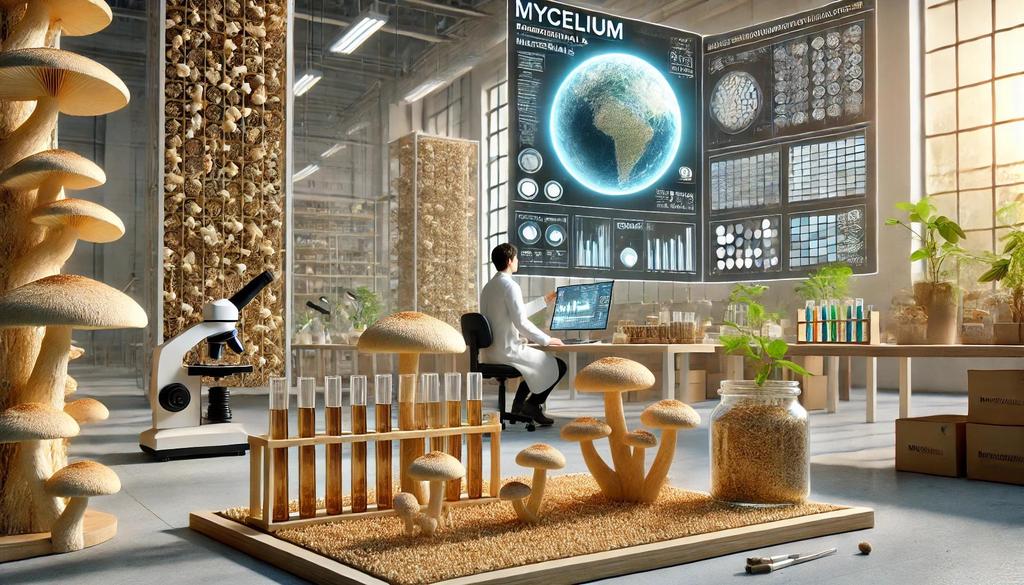
Broader Implications and Innovations in Using Mushrooms
Health Benefits of Medicinal Mushrooms
Nutritional Powerhouses
Medicinal mushrooms have been valued for their health benefits, with people using them for centuries in traditional medicine. These mushrooms are packed with bioactive compounds, such as beta-glucans and polysaccharides, which have been shown to support immune function, reduce inflammation, and even fight cancer. Among these fungi, varieties like Reishi, Chaga, and Turkey Tail are particularly noted for their potent therapeutic properties.
Cultivation and Preservation
Growing your own medicinal mushrooms can be a rewarding pursuit, as it ensures freshness and potency. To successfully cultivate these mushrooms, one needs to understand the process of using spores or spawn and maintaining optimal growing conditions. Techniques like controlled composting and moisture management are essential in nurturing these fungi to their full potential, maximizing their health benefits.
Innovative Uses in Biotechnology
Building a Sustainable Future
Fungi are key to ecological restoration and hold untapped potential in biotechnology. Their ability to decompose complex compounds can be harnessed in developing biodegradable materials or even in bioconversion processes where waste is turned into bioenergy. These fungi-driven innovations highlight a path to sustainability where nature-inspired solutions support cleaner technologies and a circular economy.
The Advent of Biohybrid Technology
A striking example of fungi’s biotechnological potential is seen in the development of biohybrid robots, which integrate living fungal mycelium to enhance their sensory capabilities. Researchers have explored using mycelium as a biosurface on robotic structures, allowing these machines to ‘sense’ their environment through the fungus’s natural responses to external stimuli. This fascinating blend of biology and technology opens new avenues for advanced robotics and demonstrates fungi’s versatility in contributing to innovative, sustainable tech solutions. Such developments highlight the potential for biohybrid systems to play a critical role in future exploration, particularly where sustainability and environmental sensitivity are paramount.

Mental Health: Fungi and Their Power to Help the Human Brain
Exploring Psilocybin Microdosing
Psilocybin is a naturally occurring psychedelic compound found in certain mushrooms, often referred to as “magic mushrooms.” While known for its hallucinogenic effects, recent studies have highlighted its therapeutic potential when used in controlled, small doses, known as microdosing. This involves ingesting sub-perceptual amounts of the substance, enough to provide mental health benefits without inducing hallucinations.
Therapeutic Benefits of Mushrooms
Potential for Mental Health Improvements
The potential benefits of psilocybin microdosing are noteworthy, especially as an alternative to traditional mental health treatments that often come with significant side effects. Emerging scientific research suggests that microdosing can enhance mood, improve focus, and reduce anxiety and depression symptoms. These improvements are attributed to psilocybin’s ability to promote neural connectivity and emotional regulation.
Moreover, studies have shown that psilocybin, even in microdoses, can foster emotional healing by helping individuals process unresolved traumas and improving overall psychological well-being. This promise of potentially transforming mental health care underpins the growing interest in psilocybin research.
Regulatory Landscape and Future Potential
While the therapeutic use of psilocybin shows great promise, it remains restricted by legal and regulatory frameworks in many regions. In the U.S., pioneering states like Oregon and Colorado have begun establishing controlled environments for its therapeutic application, setting a precedent for other regions considering similar legislation. Future legal changes will depend significantly on ongoing research that supports its safety and efficacy.
Exploring the Multifaceted Benefits of Mushrooms on Mental Health
Lion’s Mane Mushrooms Improve Memory and Focus
Beyond the potential of psilocybin, the realm of medicinal mushrooms offers other promising fungi with benefits for mental health and cognitive function. Lion’s Mane mushrooms, known for their distinctive appearance resembling a lion’s mane, have captured scientific interest due to their ability to enhance brain function and protect against neurodegenerative diseases.
Compounds such as erinacines and hericenones found in Lion’s Mane stimulate the production of nerve growth factors, which are vital for neuron health and cognitive function. Regular consumption of this mushroom can lead to improved memory and focus, proving beneficial for individuals experiencing age-related cognitive decline and potentially slowing conditions like Alzheimer’s and Parkinson’s diseases.
Immune-Boosting and Antioxidant Mushrooms
Expanding further, mushrooms like Reishi, Shiitake, and Turkey Tail offer immune-boosting and antioxidant properties, which contribute significantly to neurological well-being. These mushrooms contain polysaccharides and beta-glucans that enhance immune cell activities, promoting balanced immune function and reducing inflammation—a key factor in chronic diseases affecting mental health. Additionally, the anti-inflammatory agents in these fungi contribute to reduced anxiety and depression by supporting neurotransmitter modulation. Certain mushrooms like Cordyceps and Chaga also offer adaptogenic benefits, aiding the body in stress response and energy enhancement, essential for maintaining mental clarity and focus.
Unlocking Mental Wellness: The Role of Mushrooms in Brain Health
As researchers continue to explore these exciting avenues, integrating various mushrooms into our daily routines offers a holistic approach to mental health and cognitive well-being. From soups and teas to supplements and medicinal mushroom-infused products, the versatility of these fungi makes them accessible allies in the quest for improved mental health. Whether enhancing memory and focus or supporting emotional stability, mushrooms contribute compellingly to the future of natural health solutions, unlocking pathways to a healthier, more resilient brain.

The Transformative Power of Fungi
From cleaning up polluted environments to offering therapeutic benefits, fungi continue to prove their worth as indispensable allies in building a sustainable and healthier world. Their ability to decompose pollutants and support life highlights their critical role in both environmental and human health initiatives.
As we advance, the potential of mycoremediation and related fungal innovations can only be fully realized with continued research, community engagement, and supportive policy frameworks. By fostering a collaborative approach among scientists, policymakers, and the public, we can unlock the full potential of fungi to transform ecological management, health care, and technological development.
In embracing these fungal solutions, we address immediate environmental and health challenges and pave the way for a future where sustainable living and well-being are achievable globally. The diverse capabilities of fungi indeed offer a bright and promising path forward.


