
Plastic pollution has become one of the most pressing environmental issues of our time. With millions of tons of plastic waste generated every year, it accumulates in landfills, oceans, and even remote parts of the Earth. This waste is not only an eyesore but also poses significant threats to wildlife and ecosystems. From marine creatures ingesting microplastics to toxins leaching into the soil, the consequences are dire.
However, nature might hold the key to tackling this colossal problem. Recent scientific breakthroughs have revealed that certain fungi, bugs, and bacteria have the ability to break down and consume plastic pollutants. These microorganisms produce enzymes—proteins that speed up chemical reactions—which can degrade plastic into simpler, harmless substances. This discovery has ignited hope for a sustainable solution to plastic waste, offering an environmentally friendly alternative to traditional methods like incineration and landfilling.
In this article, we will delve into the fascinating history of research in this area and explore the groundbreaking discoveries that have emerged. We will also discuss the current state of global research, what the future may hold, and the potential environmental and economic implications of deploying these natural “clean-up crews” on a larger scale.

The Historical Quest for Safely Biodegrading Pollutants
Early Research and Discoveries
The journey to harness microorganisms for breaking down plastic waste began decades ago, with scientists observing the decomposition capabilities of various fungi and bacteria. These microorganisms are nature’s recyclers, known for breaking down organic waste materials like leaves and dead animals. However, human-made plastics, which are complex and durable, pose a unique challenge.
A significant breakthrough came in 2017 when researchers discovered a fungal species called Aspergillus tubingensis at a landfill site in Islamabad, Pakistan. This fungus exhibited the remarkable ability to degrade polyurethane—a type of plastic commonly found in items like refrigerator insulation, synthetic leather, and spandex fabrics—within weeks instead of decades. Aspergillus tubingensis achieves this by secreting enzymes that break down the chemical bonds in polyurethane and by using its mycelia (root-like structures) to further decompose the material.
An earlier discovery in 2011 by a team of undergraduates from Yale University introduced Pestalotiopsis microspora, a fungus found in the Amazon rainforest capable of surviving exclusively on polyurethane. This fungus can even thrive in anaerobic (oxygen-free) environments, such as at the bottom of landfills. The researchers isolated the enzymes responsible for this fungus’s plastic-eating capabilities, marking an important step toward potential bioremediation applications.
Accidental Breakthroughs
In 2016, Japanese scientists discovered the first bacterium, Ideonella sakaiensis, that had naturally evolved to consume PET (polyethylene terephthalate), a common plastic used in drink bottles. This bacterium was found at a waste dump in Japan. The excitement from this discovery led an international team to study the bacterium’s enzyme, called PETase, in detail. During their research, they accidentally improved the enzyme, enhancing its ability to break down PET plastic. This mutant enzyme could start degrading plastics in just a few days, a drastic improvement from the centuries it would typically take in nature.
Building on this foundation, scientists from the University of Portsmouth joined forces with the US National Renewable Energy Laboratory to create an even more powerful enzyme. By combining PETase with another enzyme called MHETase, they engineered a “super-enzyme” capable of breaking down plastic bottles six times faster than before. This enzyme can potentially enable full recycling of PET bottles back into new bottles, reducing the need for virgin plastic.
These historical milestones highlight the potential of using naturally occurring microorganisms to address one of our planet’s most significant environmental challenges. The initial discoveries and subsequent accidental improvements paved the way for current and future research, offering hope for a world where plastic waste is no longer a persistent pollutant.

Biological Decomposition Research: Discoveries and Applications
Fungi as Rapid Response Plastic Degraders
Recent years have seen significant advancements in understanding and harnessing the power of fungi to combat plastic pollution. Researchers have discovered that certain fungi, which usually decompose organic matter, can also break down man-made plastics under specific conditions.
One prominent study conducted by the University of Sydney demonstrated that two fungi, Aspergillus terreus and Engyodontium album, could degrade polypropylene (PP). This plastic is widely used in various products, from packaging to textiles, and is notoriously difficult to recycle, with only about 1% being recycled globally. The researchers pre-treated the plastic with UV light or heat and observed that the fungi could break down the treated polypropylene significantly, reducing its weight by up to 27% over 90 days.
Another groundbreaking study by the Royal Botanic Gardens, Kew, focused on fungi found in the coastal salt marshes of Jiangsu, China. These fungi were capable of degrading multiple types of plastic, including polyethylene (commonly used in plastic bags) and polypropylene. The study highlighted the vast potential of these fungi, which thrive in unique “plastisphere” ecosystems – specific areas heavily impacted by plastic pollution.
Bacterial Innovations
In addition to fungi, bacteria have also shown promising potential in breaking down plastics. Researchers have made significant strides in engineering bacteria to metabolize plastic waste into useful substances. One notable example is the work done using E. coli bacteria to convert PET (polyethylene terephthalate), the material used in plastic bottles, into valuable compounds like adipic acid. Adipic acid is a key ingredient in producing nylon and other products, making this bacterial process both an environmental and economic solution.
Scientists have taken this a step further by creating enzymes that work even more efficiently. This includes the super-enzyme developed by combining two enzymes found in a bacterium discovered in Japan. This enzyme breaks down PET plastic six times faster than previous technologies, showing promise for large-scale recycling processes that could significantly reduce plastic waste.
Innovative biodegradable plastics are also being developed to further enhance the benefits of microbial degradation. Researchers at the University of California, San Diego (UCSD) have created a form of biodegradable polyurethane plastic from algae. This plastic is designed to degrade rapidly when exposed to specific bacteria in moist environments. The biodegradable plastic breaks down efficiently in compost, soil, or ocean water, offering a sustainable alternative to traditional plastics. This could significantly lessen our reliance on landfills and reduce the spread of microplastic pollution.
The Role of Mealworms
Interestingly, certain insects have also been found to digest plastics. Mealworms, the larvae of the darkling beetle, have shown an ability to consume and break down polystyrene (PS), a type of plastic commonly used in Styrofoam. Research led by scientists from Beihang University in China and Stanford University in the United States demonstrated that mealworms can chew and digest polystyrene. The gut bacteria within these mealworms play a crucial role in breaking down the plastic into simpler compounds, which are then excreted as biodegradable waste. This discovery opens up new avenues for using insects in managing plastic waste, particularly for polystyrene, which is notoriously hard to recycle.
Environmental and Economic Implications
Potential for Large-Scale Applications
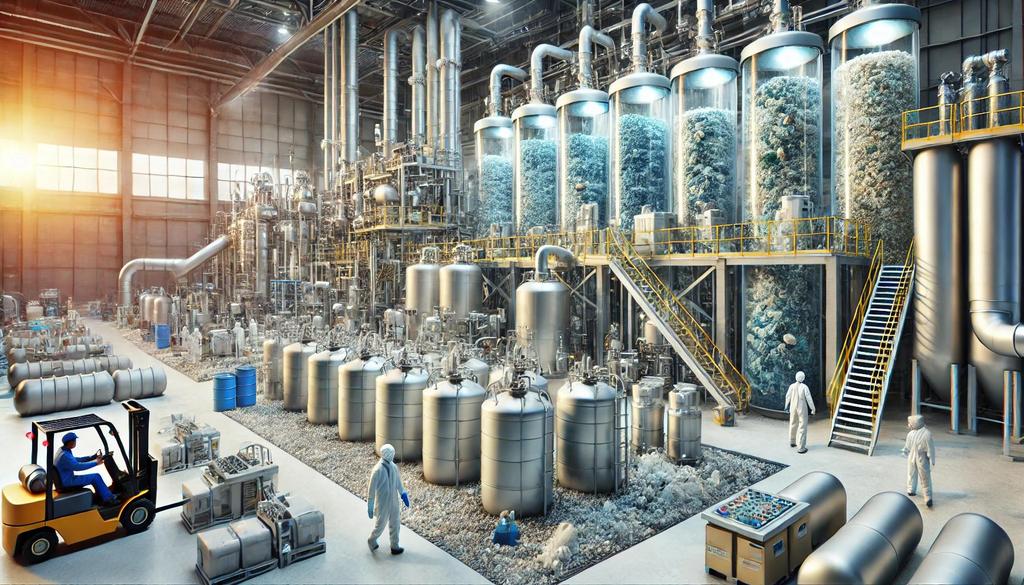
The discoveries of fungi, bacteria, and insects capable of breaking down plastics hold enormous potential for large-scale applications. By harnessing these natural abilities, scientists can develop biotechnological solutions that convert plastic waste into valuable resources rather than letting it accumulate in landfills and oceans.
For instance, Carbios, a French company, has partnered with major corporations like Pepsi and L’Oréal to scale up the production of a mutant enzyme capable of recycling PET plastic within hours. This enzyme not only breaks down plastic bottles but also enables the production of new, high-quality bottles from the recycled material. Such innovations could revolutionize the recycling industry by providing a sustainable, efficient method to manage plastic waste.
An even further breakthrough arises from researchers at the University of Edinburgh, who have developed an engineered form of E. coli bacteria that transforms PET plastic waste into vanillin, the primary compound in vanilla flavoring. This process involves converting a PET waste product, terephthalic acid (TA), into vanillin using specially designed bacteria. This innovative technique not only addresses plastic waste but also turns it into a valuable chemical used in food, cosmetics, and cleaning products. This dual benefit demonstrates the power of synthetic biology in promoting a circular economy and offers a sustainable source for a widely used commodity.
Environmental Benefits
Implementing these biological solutions could lead to significant environmental benefits. Unlike traditional recycling methods that often produce lower-quality plastics or harmful byproducts, these biotechnological processes result in minimal pollution and high-quality recycled materials. Furthermore, by reducing the need to produce new plastics from fossil fuels, these technologies can decrease greenhouse gas emissions and lower our reliance on non-renewable resources.
One of the most exciting aspects of using microorganisms and insects for plastic degradation is their ability to operate under natural conditions. For example, the enzyme developed by researchers at the University of Portsmouth functions effectively at room temperature, making it energy-efficient and environmentally friendly. Similarly, mealworms can digest polystyrene without requiring artificial energy inputs, indicating the potential for low-cost, sustainable waste management solutions.
Economic Considerations
While the environmental benefits are clear, the economic implications are equally significant. The ability to convert plastic waste into valuable products like adipic acid or high-quality recycled bottles creates economic incentives for businesses to adopt these technologies. For example, the process involving engineered E. coli to produce adipic acid from PET waste offers a way to generate a high-demand industrial chemical efficiently and sustainably.
Moreover, consumer demand for eco-friendly products is rising, and companies that invest in sustainable practices can enhance their brand image and market competitiveness. As public awareness of plastic pollution increases, businesses that adopt innovative recycling technologies may also attract more investors and customers, further driving economic growth in the green technology sector.
However, there are challenges to overcome. The initial costs of developing and scaling up these technologies can be high, and their effectiveness must be proven on an industrial scale. Additionally, regulatory frameworks need to support the deployment of genetically modified organisms in waste management, ensuring that these solutions do not introduce new environmental risks.
The Promise of Microbial Solutions in Combating Plastic Pollution
The contemporary scientific landscape is rich with promising discoveries that leverage the natural abilities of fungi, bacteria, and insects to address the plastic pollution crisis. These breakthroughs represent significant advancements in our quest for sustainable waste management. The potential environmental benefits are profound, offering a way to drastically reduce plastic pollution and lower greenhouse gas emissions. Economically, these technologies open up new opportunities for creating valuable products from waste, fostering a circular economy that benefits businesses and society alike.
As we move forward, continued research, global collaboration, and supportive policies will be essential in scaling these innovative solutions and making them a practical reality in our fight against plastic pollution.

Future Outlook for Bio-based Pollution Cleanup
Innovative Technologies on the Horizon
The future looks promising for advancements in using microorganisms to degrade plastic waste. Researchers are continually exploring ways to enhance the efficiency and scope of these natural solutions. One essential focus is on improving the stability and activity of enzymes used in plastic degradation processes. For example, scientists have developed mutant enzymes that perform better than their natural counterparts, breaking down plastics much faster. Further modifications and testing are expected to create even more effective enzymes that could be used on an industrial scale.
Another exciting development is the potential integration of multiple biodegradation methods. Combining different types of fungi, bacteria, and enzymes could provide a comprehensive approach to breaking down various plastics simultaneously. For instance, while one enzyme might efficiently degrade PET plastics, another could be optimized for breaking down polypropylene or polystyrene. This combined effort could significantly reduce the time and complexity involved in managing plastic waste.
Moreover, advancements in genetic engineering and biotechnology could lead to the creation of entirely new microorganisms specifically designed to tackle plastic pollution. Scientists can create engineered strains with enhanced capabilities by understanding the genetic makeup and metabolic pathways of existing plastic-eating microbes. These bio-engineered microorganisms could be deployed in controlled environments to ensure they do not disrupt natural ecosystems.
Adoption and Regulation
As these innovative technologies advance, their adoption will depend on supportive policies and regulations. Governments and regulatory bodies must develop frameworks that allow for the safe and effective use of genetically modified organisms (GMOs) in waste management. These regulations should ensure that the deployment of such organisms does not lead to unintended environmental or health risks.
Public and corporate awareness also plays a crucial role in adopting these technologies. As consumers become more environmentally conscious, there is increasing pressure on companies to adopt sustainable practices. Businesses that invest in these new technologies can improve their public image and meet the growing demand for eco-friendly products. Collaborations between scientists, businesses, and policymakers will be essential in driving the widespread adoption of microbial plastic degradation solutions.
Education and outreach programs can further support these efforts by informing the public about the benefits and safety measures associated with using microorganisms for waste management. By fostering a culture of sustainability and innovation, society can better embrace these new technologies and collectively work towards reducing plastic pollution.

Nature’s Clean-Up Crew: Future of Plastic Pollution Management
Harnessing the power of fungi, bacteria, and insects to combat plastic pollution represents a groundbreaking shift in waste management. These natural solutions offer a promising alternative to traditional methods, presenting the potential for sustainable, efficient, and environmentally friendly ways to reduce plastic waste.
The journey began with the discovery of plastic-eating microorganisms, such as Aspergillus tubingensis, Pestalotiopsis microspora, and Ideonella sakaiensis. These early breakthroughs laid the foundation for further innovations, including the development of mutant enzymes and advanced biotechnological applications. Recent research has expanded our understanding of how these organisms can be optimized and combined to tackle different types of plastics, paving the way for large-scale implementation.
The environmental benefits of these technologies are profound. They promise to reduce the amount of plastic waste in landfills and oceans, lower greenhouse gas emissions, and curtail our reliance on non-renewable resources. Economically, transforming plastic waste into valuable products like high-quality recycled materials and industrial chemicals can create incentives for businesses to adopt these sustainable practices.
However, the path forward involves overcoming key challenges. Regulatory frameworks must be established to ensure the safe deployment of genetically engineered organisms. Public awareness and acceptance are also crucial in driving the adoption of these technologies. Collaborations between researchers, businesses, policymakers, and the public are essential to realizing the full potential of microbial plastic degradation.
As we look to the future, continued research and innovation will be vital in enhancing the efficiency and scope of these natural solutions. The promise of a cleaner, more sustainable world is within reach, and by embracing these innovative biotechnological approaches, we can address one of the most significant environmental issues of our time.
Together, we can support the efforts to harness nature’s clean-up crew—fungi, bugs, and bacteria—in our fight against plastic pollution. The journey ahead may be long, but the potential rewards for our planet and future generations are immense.


