
Florida’s Emerald Coast is no stranger to foot traffic, sunseekers, seasonal residents, and families on quick getaways cycle in and out of vacation homes throughout the year. From Miramar Beach to Santa Rosa, these properties bear more than just the scuffs of sandy feet and sunscreen smudges. Behind the polished images of rental listings lies a growing reality: each guest leaves behind the unseen cost of wear. And the region’s climate doesn’t cut homeowners any slack either. Heat, humidity, salt air, and storms accelerate damage, turning everyday home features, fences, drywall, doors, into constant to-do list items.
When property owners are balancing the dual forces of environmental stress and guest turnover, how do they maintain livable, safe, and beautiful spaces? Increasingly, the solution lies in leaning on consistent, sustainable upkeep strategies, many of which start with the simple, tangible value of working with a professional handyman company. These are the real-world experts helping keep the Emerald Coast’s rental infrastructure resilient, one door hinge, patch job, and railing repair at a time.
Property Maintenance Snapshot: What’s Really Happening Behind the Scenes
Vacation rentals may appear picture-perfect to guests, but beneath the surface, the story is more complex. Here’s a quick look at the systems working overtime to keep these homes running smoothly.
Quick Maintenance Realities in Vacation Rentals
- High Turnover = High Friction: Unlike primary residences, vacation homes are exposed to frequent moving parts, literally. Guests open and close doors, drawers, appliances, and windows far more often than year-round residents do. Each cycle adds wear.
- Salt Air and Humidity Are Merciless: Even when a home isn’t occupied, the Emerald Coast’s salty, humid air corrodes outdoor metal, warps wood, and peels paint, accelerating material failure.
- Time Between Guests Is Short: Many property managers have less than 6 hours to inspect and refresh a home before the next set of guests arrive. That leaves little room for large-scale repairs.
- Preventative Work Is Undervalued: According to vacation rental budgeting guidelines, owners should set aside 1–4% of their home’s value annually for maintenance. But this often goes underfunded until a major issue arises.
- Small Fixes Stack Up: Leaky faucets, wobbly stair railings, cracked tiles, and dented drywall may seem minor. But left unaddressed, they erode both the structural integrity and guest satisfaction over time.

Climate Stress and Coastal Deterioration
On top of tenant-related wear, the Emerald Coast’s environment presents a relentless set of challenges that affect even well-maintained homes.
Salt Air and Corrosion
Metal fixtures, fencing, fasteners, door handles, and railing bolts, corrode quickly in salty air, especially within one mile of the shoreline. Without regular treatment or protective coatings, replacement becomes inevitable. Choosing corrosion-resistant materials is a must, but even those need maintenance over time.
Humidity and Indoor Damage
The region’s year-round humidity causes paint to bubble, drywall to soften, and floors to warp. Combined with overuse of air conditioners and occasional guest misuse (e.g., leaving doors or windows open), this leads to compounding issues that quietly build behind the walls.
Hurricanes and Storm Debris
When hurricanes or tropical storms hit the Gulf Coast, even well-anchored homes can suffer. Fences fall. Siding detaches. Gutters overflow and cause drainage issues. Quick response time is crucial, but without a preventative maintenance routine, storm recovery becomes significantly more expensive and more wasteful.
According to NOAA, hurricane seasons are getting longer and storms more intense, increasing the burden on coastal property upkeep.
Wear From Turnover: Maintenance in Overdrive
While climate adds unavoidable stress, guest behavior adds a human layer of unpredictability.
Repetition Wears Things Out Fast
Think of how often a hotel door’s lock gets tested. Vacation homes see similar repetition, keys jammed, doors slammed, hinges stressed. Add to that kids climbing furniture, sandy feet scratching floors, and constantly used kitchen fixtures. It’s all normal behavior, but at high frequency, it’s far from low-impact.
Gaps Between Bookings Don’t Always Mean Time to Fix
Property managers often juggle dozens of listings at once. That means there’s often little time to call in specialists for minor issues. As a result, some problems, like drywall cracks, squeaky stairs, or chipped paint, may be pushed off for “next time,” allowing them to accumulate.
DIY Isn’t Always the Best Approach
While some owners or managers attempt DIY repairs, improperly fixed issues can create bigger problems. A poorly patched wall might flake and crack again, or a badly hung door could warp with repeated use. This is where relying on the consistent support of a professional handyman company can reduce long-term damage and keep things running efficiently.
The Invisible Costs
Even if a guest never complains, the quiet buildup of minor flaws decreases both the lifespan of the home and its rental appeal. This isn’t just about aesthetics; it’s about preserving the value of the investment itself.
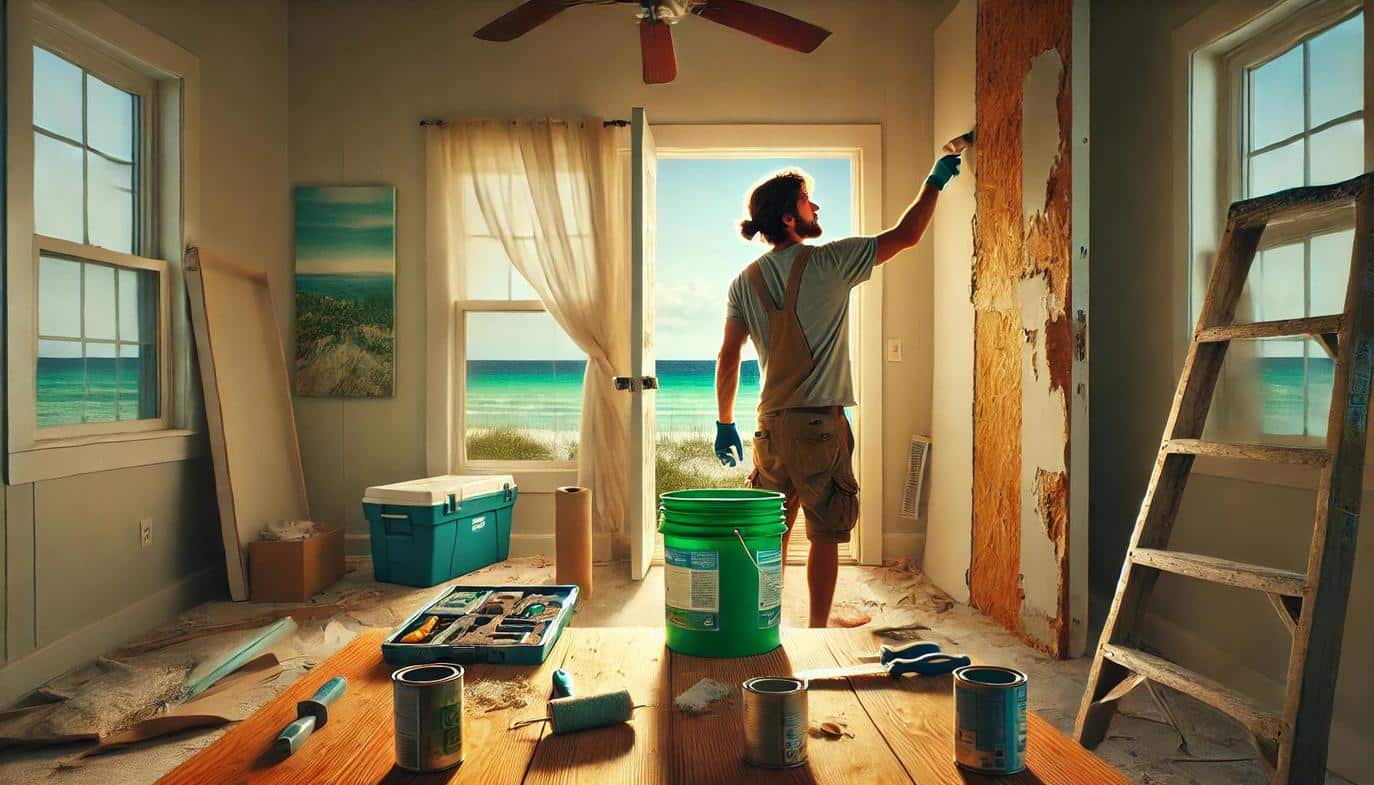
Smart Repair, Not Destroy: Building Sustainability Through Small Fixes
In a region like the Emerald Coast, sustainability isn’t just about recycling or switching to LED lights. It’s about making smarter decisions when a fence post rots, a door sticks, or a wall cracks. The real environmental impact happens in how we choose to fix, restore, and extend rather than rip out and replace.
Small Repairs Add Up to Big Savings
A cracked drywall panel doesn’t always need to be fully replaced. A scuffed stair tread doesn’t always need to be rebuilt. Skilled repair, like targeted patching, realignment, or surface refinishing, can extend the life of home materials by years. Over time, these decisions reduce:
- Waste sent to landfills
- Transportation emissions from hauling and replacing large materials
- Costs tied to recurring replacements
Eco-Wise Materials Make a Difference
More property owners are now choosing low-VOC paints, mold-resistant drywall, and composite outdoor boards that last longer in humid conditions. These upgrades are not only better for the planet, but they also save money by resisting deterioration.
And when something can’t be saved? Choosing recyclable or modular materials makes the next repair cycle easier and less wasteful. Replacing one fence panel instead of tearing down an entire section saves time, money, and material.
Preventative Care Beats Emergency Overhaul
It’s not flashy, but routine inspections and minor adjustments, tightening a hinge, resealing a joint, replacing a gate latch, often prevent costlier breakdowns later. It’s a principle echoed by long-term rental advisors and eco-builders alike: a home that’s watched over lasts longer.
Homeowners align themselves with the eco-living principle of resource mindfulness by committing to these smaller-scale, intentional fixes. As noted in maintenance budgeting guides, setting aside funds for preventative work is a wise investment, not an optional extra.
Human Talent Meets Smart Technology: The Hybrid Model of Maintenance
Smart thermostats and leak detectors are useful, but they won’t hang a door, paint a wall, or patch a broken gate. For property upkeep, technology alone isn’t enough: it’s the pairing of tools with human touch that creates truly sustainable results.
Where Technology Shines
Today’s rental platforms allow managers to:
- Schedule and log maintenance tasks automatically
- Receive real-time updates on damage or system failures
- Use smart sensors to detect water leaks or HVAC inefficiencies
- Communicate instantly with guests and service providers
This speeds up the response cycle, making it easier to catch problems early.
Where People Still Matter Most
Tech might alert you to a scuffed wall or a misaligned door. But a well-trained handyman still has to:
- Match paint correctly
- Align fixtures with aging architecture
- Spot potential hazards a camera might miss
It’s this blend of digital awareness and physical expertise that keeps homes livable, comfortable, and guest-ready without the waste of overcorrection or hasty replacements.
Working with a professional handyman company that understands both the urgency of rental prep and the patience of sustainable care ensures that homeowners don’t have to choose between speed and longevity.

Sustainability in Dollars and Sense: The Economic Case for Smarter Upkeep
Talk of sustainability often conjures up images of global policy or sprawling solar farms. But in a place like the Emerald Coast, sustainability is also deeply personal. It shows up in maintenance logs, replacement receipts, and repair schedules.
Deferred Maintenance Is Expensive
It might feel frugal to skip a repair today, but neglected issues in vacation rentals almost always resurface, multiplied. That loose stair tread could become a guest hazard. That rusty gate hinge could lead to a lawsuit. Emergency fixes often cost 2–3 times more than routine ones.
Reputation Is a Financial Asset
Today’s guests leave reviews. A property that looks clean but feels run-down (with sticky doors, cracked walls, and wobbly shelves) loses future bookings. This directly impacts income. Routine, well-documented maintenance isn’t just operational; it’s part of the guest experience economy.
Preventative Care Maximizes ROI
Smart upkeep protects the home itself, extending the life of fences, flooring, cabinets, siding, and fixtures. That’s not just good stewardship; it’s also capital protection. Over time, homes that are consistently maintained command higher resale value and require fewer capital injections.
When you pair human skill with digital scheduling and insight, you get the best of both worlds: speed when it counts and quality where it matters.
Moving Forward with Intention: Maintenance as a Model for Eco-Conscious Living
At first glance, repairing a fence or patching a wall might seem like minor acts. But within the context of high-turnover vacation homes in a climate-stressed coastal region, they become something more: acts of stewardship.
Smart, human-driven maintenance isn’t just a line item on a rental spreadsheet. It’s a chance to reduce waste, preserve materials, extend home lifespans, and provide better experiences for the people passing through them. It’s also a chance to honor the ecosystems these homes inhabit, protecting the land, sea breeze, and stormy skies of Florida’s beloved Emerald Coast.
Whether you’re a homeowner managing your own property, a guest who appreciates small touches, or a local service provider, this conversation belongs to you. The future of sustainability starts in our own backyards, often with a hammer in hand.

Practical Maintenance Insights: What Vacation Property Owners Need to Know
Real answers to common maintenance questions from rental owners along Florida’s Emerald Coast.
How Often Should I Schedule Preventative Maintenance?
At minimum, every 6 months. For high-turnover properties, a light check after every guest and a deep inspection quarterly are recommended. Focus areas: doors, drywall, fixtures, gutters, paint, and outdoor features.
What’s the Most Common Damage from Guests?
Frequent issues include:
- Scuffed or cracked drywall
- Broken door handles or misaligned doors
- Loose railing or stair treads
- Leaking faucets or damaged shower heads
Can I Automate Maintenance Tasks?
Yes, platforms like Hostfully or OwnerRez allow you to schedule maintenance tasks between bookings, alert contractors, and track recurring issues. But you’ll still need a trained human to make the fixes.
What Preventative Steps Are Worth the Investment?
- Corrosion-resistant screws and gate hardware
- Low-VOC, mold-resistant paints
- Sealing wood features before storm season
- Hiring a reliable local handyman on a monthly retainer
How Much Should I Budget for Repairs Each Year?
Set aside 1–4% of your home’s value per year. The closer you are to the coast and the more often you host guests, the more you’ll need to be on the higher end of that scale.

