
In Greenfield, Massachusetts, the risks of water damage are not a matter of if but when. The shifting climate of New England is making weather more unpredictable, and homes are caught in the middle. Frozen pipes in deep winter, sudden flash floods in summer, and hidden mold growth afterward can turn an ordinary season into a costly emergency. For many families, these hazards appear faster than insurance paperwork can keep up, leaving them scrambling to protect both property and health.
That is why conversations about resilience matter. Learning how to identify risks, prepare your home, and act quickly when water intrudes is no longer optional; it is part of living in a changing climate. For those facing urgent needs, resources such as water damage restoration services exist locally, but long-term protection begins with awareness and preparedness.
Climate & Seasonal Extremes: What’s Changing
Across Western Massachusetts, weather patterns are shifting in ways that put extra stress on homes and infrastructure. Winters still plunge into bitter cold, but sudden temperature swings create freeze-thaw cycles that wreak havoc on older plumbing. In summer, heavier rainfall events—sometimes in the form of severe storms or remnants of tropical systems—deliver more water than soil and storm drains can handle.
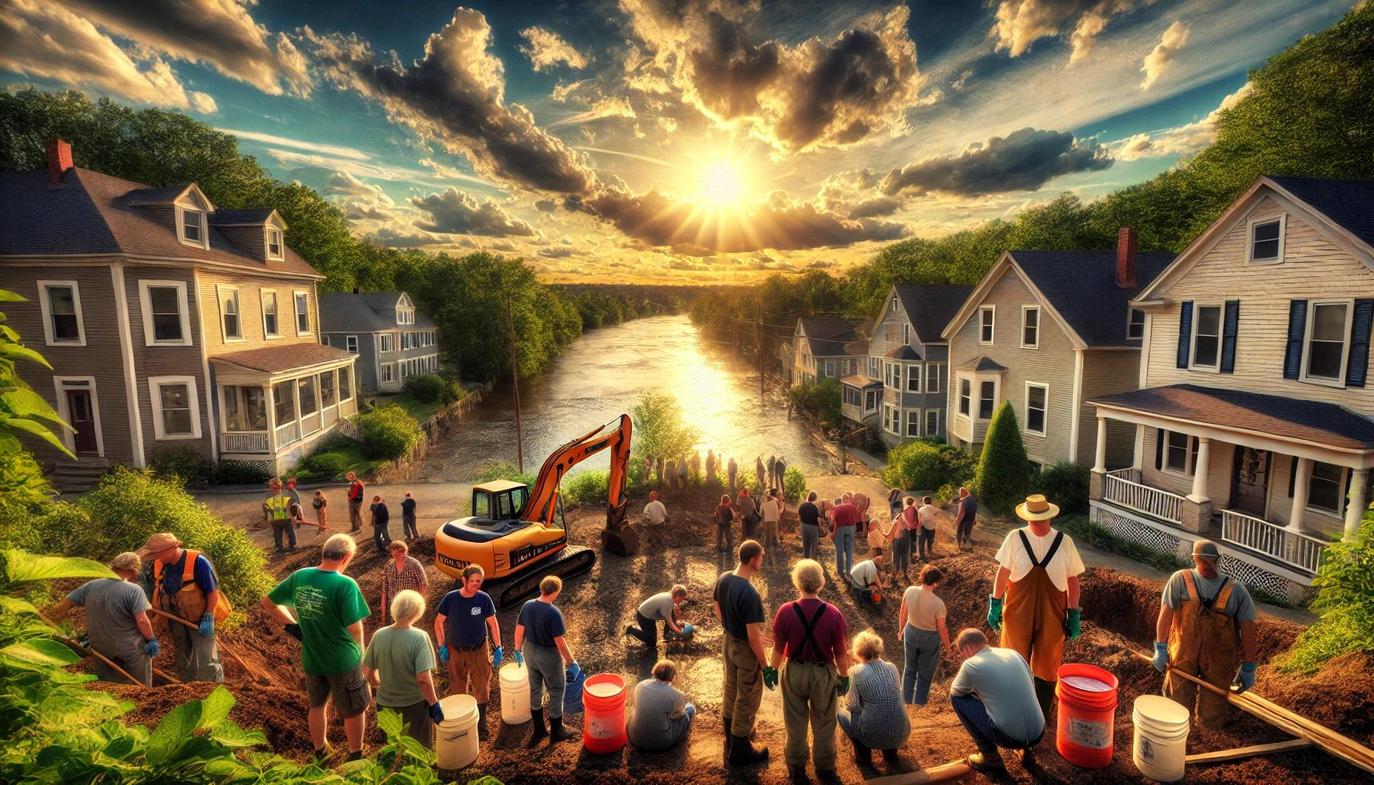
One stark example occurred in July 2023, when Franklin County communities saw intense flooding that swelled the Deerfield River and backed up municipal drainage systems. Sewage overflows, road closures, and waterlogged basements made it clear that flood events are not limited to coastal towns—they are a reality for inland communities like Greenfield.
On the surface, these may seem like separate problems: pipes bursting in the cold and floods arriving with storms. Yet they share a common thread: climate variability. With more extremes and less predictability, homeowners face a wider range of potential damage scenarios than ever before.

Winter Threat: Freeze-Thaw Pipe Bursts
When temperatures drop below 20 degrees Fahrenheit, water in exposed or poorly insulated pipes begins to freeze. As ice forms, it expands, exerting pressure on the walls of copper, PVC, or steel pipes. If pressure builds too far, the pipe ruptures. Once thawing occurs, gallons of water per minute can gush into living spaces, saturating walls, floors, and belongings before anyone notices.
Older homes in Greenfield, many of which still rely on basements and crawlspaces with minimal insulation, are especially vulnerable. Rural homes and vacation properties that sit unoccupied during winter are at even higher risk because frozen pipes can burst undetected for hours or even days.
The damage is more than cosmetic. Water intrusion compromises structural wood, damages electrical systems, and accelerates the conditions that foster mold. Prevention is far cheaper than recovery. Insulating pipes in unheated areas, sealing drafts, maintaining indoor heat, and allowing faucets to drip slightly during the coldest nights are proven methods to reduce risk. Understanding the location of the main shut-off valve is crucial, as its prompt closure can distinguish between a minor cleanup and a comprehensive restoration project.
Summer Risk: Flash Flooding and Basement Intrusion
While winter brings its own hazards, the warm season delivers another. Flash floods in Western Massachusetts have grown more common, fueled by heavy rain events that overwhelm both natural waterways and human-built systems. Even homes outside FEMA-designated flood zones can experience sudden water intrusion during a storm when the ground is saturated and drainage systems are clogged.
Basements in Greenfield homes are frequent targets. As water levels rise, sump pumps can fail under strain or lose power during an outage, allowing water to seep through foundations. Once inside, moisture travels quickly, damaging stored belongings, mechanical systems, and flooring. For households with heating and electrical units located in the basement, floodwater can mean weeks without essential utilities.
Preparedness requires a layered approach. Homeowners benefit from testing sump pumps before storm season, elevating electrical and HVAC systems where possible, and reviewing local flood hazard maps to understand their property’s specific risk. Greenfield’s proximity to the Deerfield and Connecticut Rivers makes vigilance crucial. Even if past summers seemed manageable, climate models and recent history show that the pattern is changing.

The Mold Menace: It Happens Fast
When water enters a home, time is not on the homeowner’s side. Within just 24 to 48 hours, damp building materials can become the perfect breeding ground for mold spores. These microscopic organisms are already present in most environments, but when moisture and warmth combine, they multiply rapidly.
Mold is more than an eyesore. It releases spores and mycotoxins that can cause respiratory irritation, trigger asthma attacks, and worsen existing health conditions. Children, older adults, and anyone with a weakened immune system are especially vulnerable. In Franklin County homes, where many basements and crawlspaces remain humid long after a storm, mold can spread unseen behind drywall, under flooring, or inside HVAC systems.
The Massachusetts Department of Public Health advises residents to treat mold growth after water damage as a serious health issue rather than a minor nuisance. That means acting quickly to dry wet materials, ventilating affected spaces, and removing porous materials like carpeting or insulation that cannot be salvaged. Once mold sets in, cleanup becomes far more expensive and disruptive than the original water damage itself.
Insurance Gaps to Watch For
One of the most painful lessons homeowners in Greenfield and across Massachusetts face after a flood or burst pipe is discovering that their insurance coverage may not protect them. Standard homeowners insurance policies typically cover water damage from sudden internal events, such as a burst pipe. But external flooding, whether from swollen rivers, heavy rainfall, or groundwater seepage, is usually excluded.
This gap catches many families off guard. Even if their property lies outside a FEMA-designated flood zone, a severe storm can still send water through basements and foundations. To secure full coverage, homeowners must either purchase supplemental riders for water backup or enroll in the National Flood Insurance Program (NFIP). Yet enrollment in NFIP remains low in many inland communities.
Massachusetts state agencies advise homeowners to review their policies annually and ask specific questions about what kinds of water damage are covered. Understanding these details before disaster strikes can prevent financial devastation when recovery bills arrive. The bottom line: don’t assume coverage. Confirm it, and adjust your policy if needed.

Preventive Measures for Homeowners
Winter-Proofing Strategies
The best defense against water damage begins before the first drop of water ever escapes a pipe. In winter, prevention means safeguarding plumbing systems from freezing. Homeowners can insulate pipes in unheated areas such as attics, garages, and crawlspaces. Sealing drafts around windows and doors helps stabilize indoor temperatures, while keeping the thermostat set at or above 55 degrees Fahrenheit reduces the chance of freezing.
Another effective strategy is to allow faucets connected to vulnerable pipes to drip during extreme cold. The slow movement of water helps prevent freezing. Just as important is knowing the location of the home’s main shut-off valve. In an emergency, closing it quickly can limit damage from a rupture.
Flood Readiness Steps
Summer storms and spring snowmelt bring their own risks. Greenfield homes near the Deerfield River or in low-lying areas can experience basement flooding when storm drains overflow or groundwater rises. Testing sump pumps before storm season and installing battery backups reduces the likelihood of failure during a power outage.
Elevating appliances like furnaces, water heaters, and electrical systems above basement floor level adds another layer of protection. Homeowners can also consult local flood hazard maps to better understand their specific risk. Even small property adjustments, like improving yard grading or clearing gutters and drains, help manage stormwater around a home.
When Damage Occurs: Recovery Steps
Even with precautions, water damage may still happen. When it does, rapid response is essential to limit costs and health hazards. The first step is to ensure safety by cutting power to affected areas if outlets or wiring have been exposed to water. Next, remove standing water using pumps, wet vacuums, or professional extraction services.
Drying must begin immediately. Industrial dehumidifiers and fans work best, but homeowners can also open windows and doors when weather allows to speed evaporation. Porous items such as rugs, drywall, and insulation that remain wet after 48 hours are typically unsalvageable and should be removed to prevent mold growth.
Documenting the damage is equally important. Photographs and written inventories provide the evidence insurance companies require when processing claims. This period is also the stage when professional help can be invaluable. Local services such as water damage restoration services can handle the specialized extraction, drying, sanitization, and claim coordination needed to return a home to safe conditions.
Building Resilience in a Changing Climate
The reality for Greenfield residents is that water damage is not a rare accident but an increasingly frequent challenge. Climate change is amplifying risks through more volatile winter freezes and heavier rain events. That means homeowners must think not only about recovery but also long-term resilience.
Building resilience starts at home, with routine maintenance and awareness. But it extends into community planning and infrastructure as well. Local governments are already updating flood hazard assessments, while state agencies push for stronger building codes and expanded insurance participation. Homeowners who prepare individually contribute to a broader culture of resilience that benefits the entire region.
Ultimately, water damage will remain a fact of life in Massachusetts. Yet how families and communities respond will determine whether it becomes a repeating crisis or a manageable risk. Through preparation, smart policy decisions, and timely professional intervention, residents can protect their homes, safeguard their health, and adapt to the changing climate with confidence.

