
A team of researchers led by Bert Weckhuysen, Charlotte Vogt, Ellen Sterk, and Matteo Monai from Utrecht University, along with others from Eindhoven University, worked together with BASF to discover the mechanism behind carbon dioxide conversion.
Bert Weckhuysen, lead researcher speaks of the accomplishment:
We were able to solve this puzzle thanks to a fantastic partnership. This research result is the culmination of a series of publications that have built to this moment.
The research has recently been published in Nature Communications. The team’s research consists of both experimental and theoretical methods to describe how CO2 conversion occurs on the surface of metals. In their study, they discovered ways to convert CO2 into useful chemical building blocks. Included in their findings are new ways to store renewable energy from wind or solar power. This can contribute to reducing CO2 emissions, as well as making it possible to produce basic chemical chains directly from CO2.
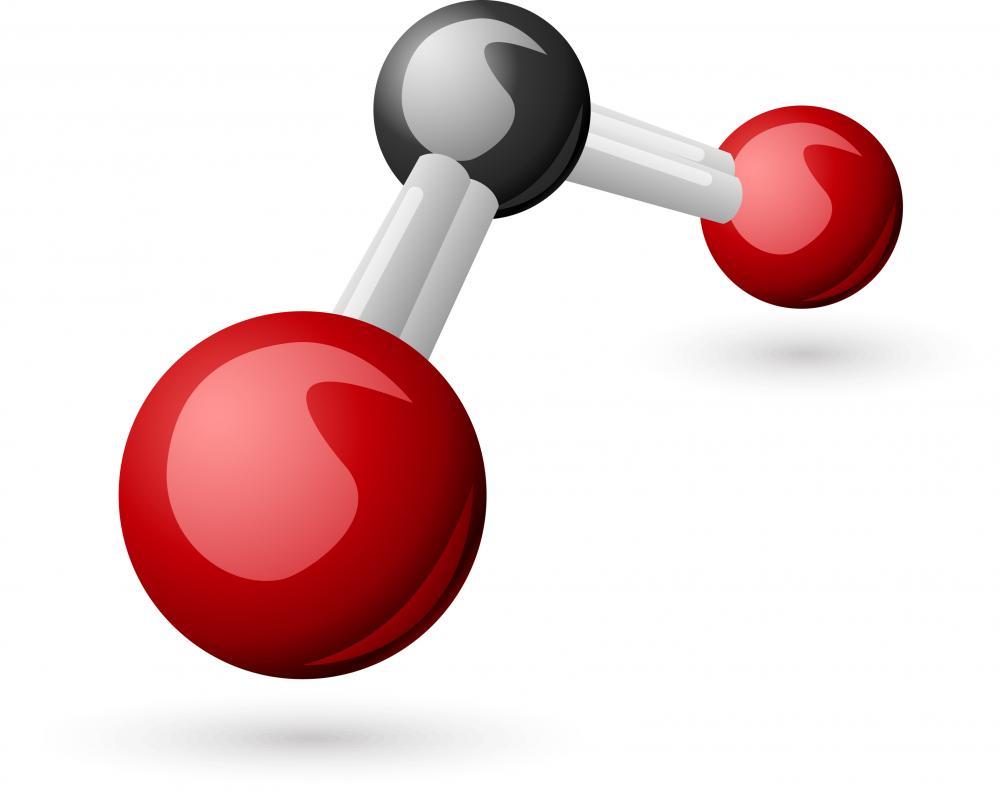
In an example, they showed carbon dioxide hydrogenation over nickel forms propane. In this process, the activity and selectivity can then be tuned by supporting different particle sizes of nickel with various oxides. Carbon dioxide is generally an environmentally harmful molecule, these experiments have helped to show that once carbon dioxide is activated and coupled with other elements, it can be quite useful, including for the production of methane. The team points out this method can be carried out under relatively mild conditions, and they will continue to apply this soon to further their research.
About the Authors
This collaborative effort would not have been achieved without three key members of the team, who all contributed to the findings: Charlotte Vogt, Ellen Sterk, and Matteo Monai.
In 2018, Vogt was published in Nature Catalysis, reporting how the conversion of CO2 is dependent on the size of metal nanoparticles. Along with researchers from BASF and other institutions, she was able to produce more efficient, faster catalysts for CO2 conversion. Vogt received the Female Scientist Award of the Israel Vacuum Society, September 2019 to go along with the VATAT fellowship for outstanding international Ph.D. students, January 2019.
Ellen Sterk won AkzoNobel Graduation Prize for Chemistry and Process Technology 2018. New to the field of theoretical quantum chemical modeling of catalytic reactions, Sterk exceeded expectations and focused specifically on a reaction to reduce CO2 emissions in the atmosphere. This was a very difficult project and a key to these current research findings.
Chemistry researcher Monai, just last month was awarded the Young Researcher of the Year award from the Italian energy company Eni. He was also involved in Vogt’s publication in Nature Catalysis last spring on the possibility of storing methane made from CO2, as a temporary buffer for renewable energy.
Team leader Weckhuysen talks about the team:
Without this structure and the unique partnership, we would never have come this far. This publication is a wonderful example of goal-oriented team science. In fact, I’d say that these kinds of collaborations are an essential condition for achieving this degree of scientific and social impact.
Weckhuysen gave an inspirational TedTalk in 2014 about solving the CO2 crisis, that you can watch here.
It is great to see the success that this team has had, taking Weckhuysen’s vision and propelling us forward. Transforming a harmful catalyst into useful, helpful materials. Given the success of the team, I think it’s safe to say that these great minds will continue to work together for the benefit of the planet and mankind.


