
Your roof is one of the most important elements of your home—not just for protection against the elements but also for maintaining energy efficiency. Many homeowners underestimate the role of the roof in regulating temperature, controlling energy consumption, and enhancing overall comfort. A well-chosen roofing system can dramatically reduce heating and cooling costs, making it a smart investment in both the short and long term.
Whether you’re building a new home or replacing your current roof, choosing the right materials and design can have a significant impact on your energy bills. In this guide, we’ll explore how your roof can help boost your home’s energy efficiency and how you can work with contractors to make the best choice.
The Importance of Energy-Efficient Roofing Materials
When considering a new roof, it’s crucial to think beyond aesthetics. While the appearance of your roof is important, materials that enhance energy efficiency can help you save on utility bills. Designed to reflect more sunlight, absorb less heat, and improve insulation, energy-efficient roofing materials enhance insulation. This helps to keep your home cool in the summer and warm in the winter.
These materials include reflective shingles, cool roofs, and insulated panels. For instance, reflective shingles can lower your home’s heat absorption by reflecting sunlight away. Cool roofs are designed to have higher solar reflectance and thermal emittance, keeping the home cooler during hot months. Insulated roofing materials, such as spray foam or structural insulated panels (SIPs), add an extra layer of insulation, preventing heat transfer and improving the energy performance of the entire home.
Investing in energy-efficient roofing materials might come with a higher upfront cost, but the long-term savings on energy bills can make it worthwhile. Not only will you reduce your environmental footprint, but you’ll also experience a more comfortable living space year-round. Be sure to consult with contractors to determine which materials are best suited for your climate and budget.
Working with Local Experts for the Best Results
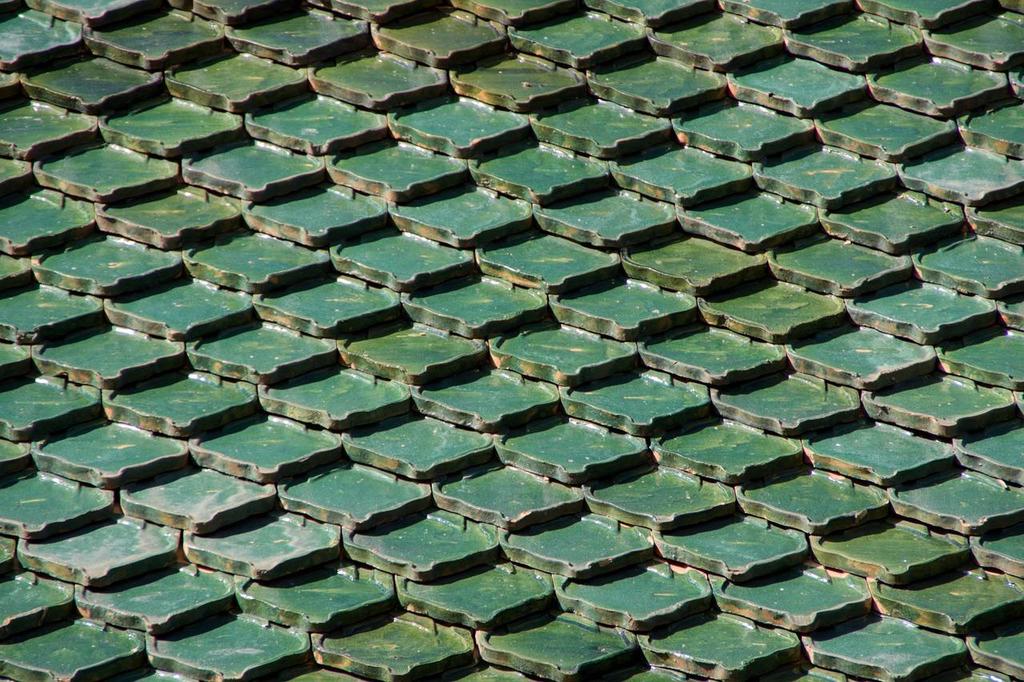
When selecting the right roof for your home’s energy efficiency, working with professionals who understand the local climate and building codes is essential. Contractors are familiar with the types of materials that perform best in your region, ensuring that your new roof is both durable and energy-efficient. These experts can guide you toward the most cost-effective and energy-saving options available. Local experts also have insight into your area’s building codes, which may include specific requirements for energy efficiency. They can help ensure that your new roof meets these regulations while maximizing its performance.
Local contractors have a vested interest in their community and are more likely to provide high-quality service to maintain their reputation. Whether you live in an area with hot summers, cold winters, or both, these professionals can recommend roofing systems that best suit your home’s needs. Another benefit of working with local roofing contractors is their knowledge of the best local manufacturers and suppliers. They can source roofing materials that offer the highest performance and durability for your climate while also supporting local businesses. A local contractor will also be familiar with the best installation practices for your specific roof type, ensuring that your home benefits from optimal insulation and energy savings.
The Role of Insulation in Roof Energy Efficiency
While your roof material plays a significant role in energy efficiency, insulation is another critical factor. Proper roof insulation keeps your home’s temperature consistent by reducing the amount of heat lost in the winter and minimizing heat gain during the summer. Without adequate insulation, your home may experience temperature fluctuations, forcing your heating and cooling systems to work harder.
A well-insulated attic, for example, prevents heat from escaping through the roof in colder months, reducing the demand on your furnace or heating system. In the summer, proper insulation helps keep heat from entering your home, so your air conditioner won’t have to work as hard to cool the interior.
When planning for a roof replacement or installation, consider adding extra layers of insulation, such as foam boards or fiberglass batts. A contractor can evaluate your home’s existing insulation and suggest improvements or additional layers that would benefit the energy efficiency of your roof.
Cool Roofs and Reflective Coatings
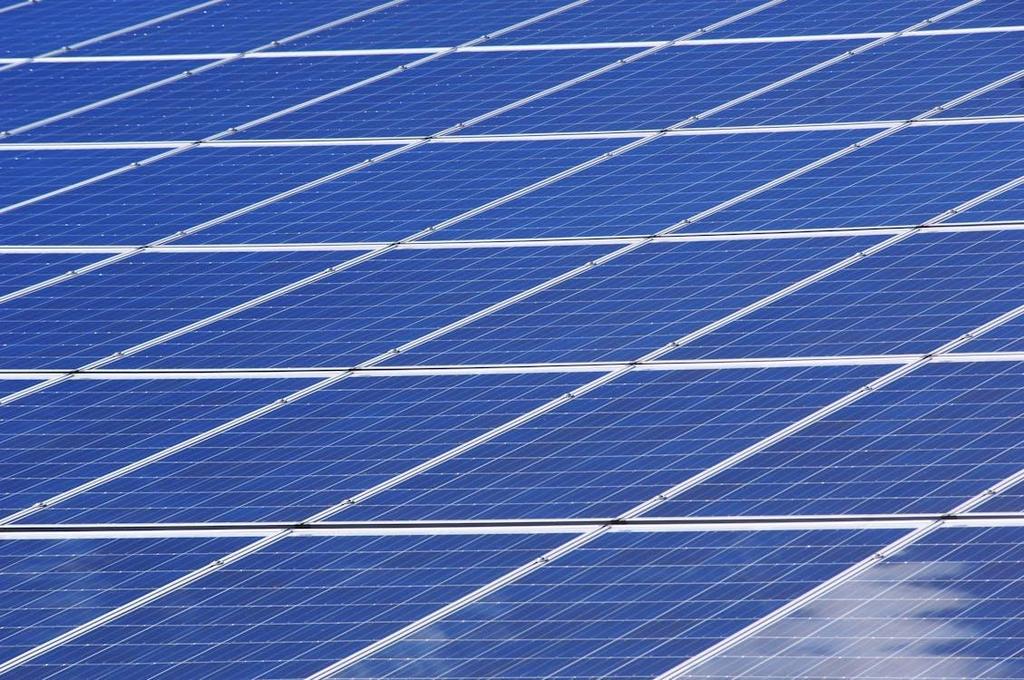
If you live in a region with high temperatures, opting for a cool roof or a reflective roof coating can significantly improve your home’s energy efficiency. Designed to reflect more sunlight and absorb less heat, cool roofs keep the home cooler during the summer months. You can apply reflective coatings, like elastomeric or reflective roof coatings, to your existing roof to improve its energy performance.
These coatings work by reflecting infrared radiation from the sun, preventing excessive heat absorption. You can apply them to various roofing materials such as asphalt shingles, metal, and tile roofs. By investing in a cool roof or reflective coatings, you’ll reduce your home’s cooling costs and improve the overall comfort of your living space.
A cool roof can reduce the amount of heat transferred into your home, leading to lower energy consumption and a reduced environmental impact. If you live in an area with a significant number of sunny days, a cool roof can be especially beneficial, helping to keep your home’s interior temperatures more stable throughout the year.
Green Roofs and Sustainable Options
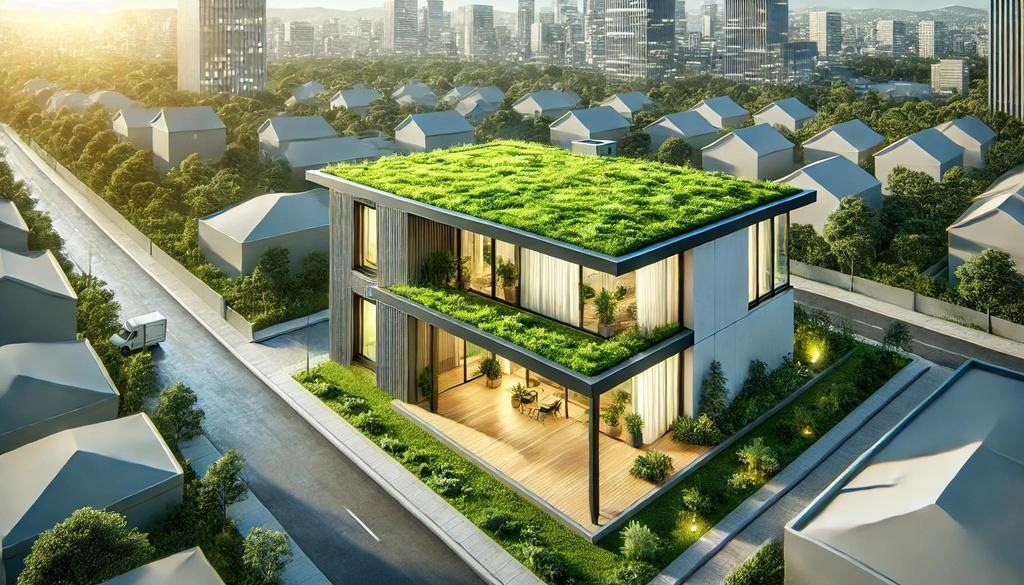
For homeowners looking to maximize both energy efficiency and environmental sustainability, green roofs are an increasingly popular option. A green roof, or living roof, is covered with vegetation that provides natural insulation. These roofs reduce the amount of heat absorbed by the building while also helping to manage rainwater runoff and improve air quality.
In addition to their energy-saving benefits, green roofs offer an aesthetic appeal and contribute to biodiversity in urban areas. The plants on a green roof absorb heat, reducing the urban heat island effect and making the surrounding environment more comfortable. While green roofs can be more expensive to install, they offer long-term savings on energy costs and provide environmental benefits.
Another sustainable roofing option is the use of recycled or eco-friendly materials, such as recycled shingles, rubber roofing, or reclaimed wood. These materials can help reduce the environmental impact of roof installations while maintaining excellent energy efficiency.
Additionally, choosing an impact-resistant roof can further enhance your roof’s durability and reduce the need for frequent repairs, offering added protection against harsh weather conditions.
Boost Your Home’s Energy Efficiency: The Power of Choosing the Right Roof
The right roof can significantly enhance your home’s energy efficiency. By selecting energy-efficient materials, adding insulation, and considering sustainable options like cool roofs or green roofs, you can create a more comfortable and energy-efficient home. Working with contractors ensures that you’re making the best choice for your specific needs and the climate in which you live.
Investing in the right roofing system not only reduces your environmental footprint but also provides long-term savings on energy bills. Whether you’re replacing an old roof or building a new home, the right roof will offer lasting benefits, enhancing your home’s energy efficiency and providing comfort for years to come. Choose to upgrade your roof and enjoy the financial and environmental benefits that come with it.


