
Seeking relief from inflammation without psychoactive effects? Millions of people suffer from chronic inflammation daily. This includes persistent arthritis pain, inflammatory bowel disease that can significantly impair daily life, and general achiness often associated with modern living.
While conventional medications for inflammation often carry side effects, many individuals are exploring natural alternatives. For those seeking such options, THCA offers a promising solution, having garnered significant attention for its natural anti-inflammatory properties and offering the potential to utilize the full therapeutic benefits of THCA without the intoxicating effects associated with THC.
Comprehensive Guide to THCA Flower
- What’s different about THCA flower from regular cannabis?
- How does THCA reduce inflammation? The science behind it.
- Research results that break down the science on THCA.
- THCA vs. traditional anti-inflammatory options.
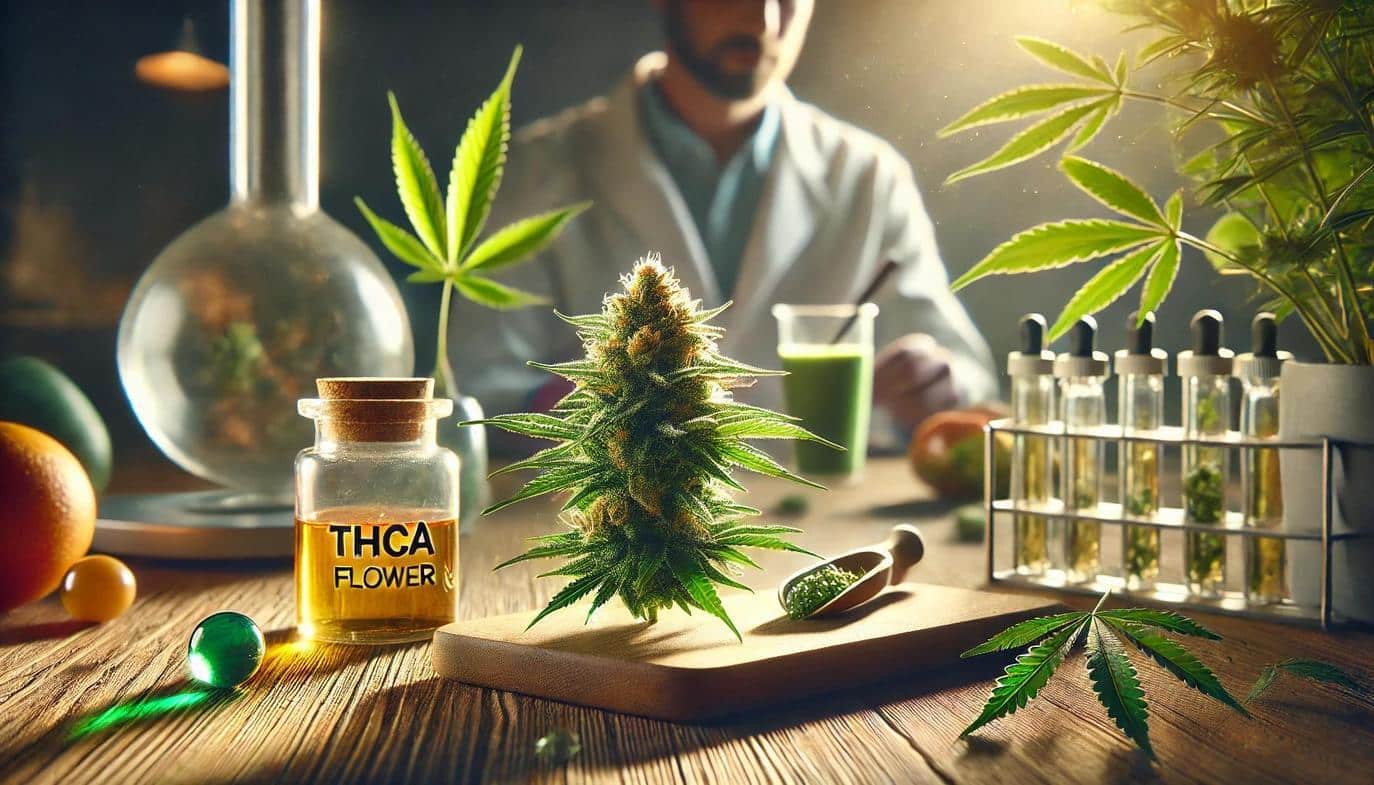
What’s Different About THCA From Regular Cannabis?
THCA (tetrahydrocannabinolic acid) is the non-psychoactive cannabinoid found in fresh cannabis plants, exhibiting several key differences from THC.
THCA is the raw, non-heated form of THC; This means it does not produce a high when consumed. To achieve a psychoactive effect from cannabis, THCA must be converted to THC through decarboxylation, a process that occurs when cannabis is heated.
This allows you to take full advantage of the cannabinoids without any intoxication or impairment. For people with chronic pain or inflammation who need to remain clear-headed for work or daily activities, this is a huge advantage.
Dementia is currently the seventh leading cause of death among older people worldwide. THCA’s anti-inflammatory properties may protect brain health by fighting neurodegenerative disease-causing inflammation.
How Does THCA Reduce Inflammation? The Science Behind It
THCA fights inflammation in different ways than traditional NSAIDs (non-steroidal anti-inflammatory drugs).
Instead of just reducing symptoms, THCA targets the underlying causes of inflammation at the cellular level. It interacts with the endocannabinoid system (ECS), which helps regulate inflammation in your body.
For those seeking products with the highest concentration of this powerful cannabinoid, premium exotic THCA flower tiers are available, which may offer maximum therapeutic potential.
The main anti-inflammatory effects of THCA that researchers have identified so far include:
- Inhibiting COX-2 enzymes, which play a direct role in inflammation
- Suppressing cytokines, pro-inflammatory molecules your body produces
- Modulating the immune system to prevent overproduction of immune cells
THCA does all of these things, which makes it a very promising anti-inflammatory option.

Research Results That Break Down the Science on THCA
Research in THCA inflammation reduction as a mechanism of action seems compelling. A groundbreaking 2023 study in the International Journal of Molecular Sciences, for instance, found that THCA significantly reduced Alzheimer’s-associated inflammatory markers in mice, with treated mice also displaying cognitive improvements and less brain inflammation. This is a significant finding.
Researchers were particularly excited by another study; THCA drastically reduced liver inflammation and fibrosis (scarring) in animals. The results were so good the researchers immediately called for clinical trials to be organized.
Early research on human colon cells also found that THCA-rich cannabis extracts had a significantly greater reduction in inflammatory markers compared to full plant extracts.
This indicates THCA may be one of the most active anti-inflammatory compounds in cannabis.
THCA vs. Traditional Anti-Inflammatory Options
NSAIDs like ibuprofen are known for their potential long-term risks to your health:
- Ulcers and gastrointestinal bleeding
- Kidney damage
- Heart attacks
- Liver damage after long-term use
THCA represents a different approach.
THCA modulates inflammation rather than completely blocking it, a nuanced approach. This selective control enables the body to heal without impeding the natural inflammatory process in affected areas.
THCA also appears to offer extra benefits beyond anti-inflammation, including:
- Neuroprotection to support brain health
- Antioxidant action to protect your cells
- Appetite regulation
- Possible anti-nausea effects
Benefits and Who Can Use THCA Flower for Inflammation
THCA flower demonstrates potential for addressing a variety of conditions linked to inflammation:
- Arthritis and Joint Pain: Its anti-inflammatory action may help reduce swelling and joint pain without cognitive impairment.
- Inflammatory Bowel Disease: THCA may help calm inflammation in the intestines related to Crohn’s and other diseases.
- Chronic Pain: It may benefit individuals with inflammatory pain who require functional clarity throughout the day.
- Autoimmune Disorders: The immune-modulating properties of THCA may help moderate overactive immune responses.
- Neuroinflammation: Early research also suggests brain health benefits for neuroinflammation and neurodegenerative diseases.

How to Consume THCA Flower to Reduce Inflammation
To access THCA’s anti-inflammatory effects, it must be consumed without applying heat.
The most effective methods to do this include:
- Raw Consumption: Juicing fresh THCA flower or adding it to smoothies provides a direct method to access the anti-inflammatory benefits of THCA.
- Cold Extraction: Cold water tinctures and teas allow for THCA extraction without converting it to THC.
- Topical Applications: Apply THCA-infused creams and lotions directly to the inflamed area.
- Sublingual Tinctures: THCA oils placed under your tongue can provide systemic effects without needing to smoke or heat.
Remember, if you apply any heat to THCA (smoking, vaping, or cooking it), the THCA gets converted into THC, which changes the effects dramatically.
THCA Flower Quality Factors
Selecting high-quality THCA flower is crucial.
Look for these indicators of high-quality products:
- Lab Testing: Third-party lab testing to verify potency, pesticides, and other contaminants.
- Organic Growing: Grown without harmful pesticides and chemicals.
- Fresh Storage: THCA degrades over time, so it’s important to use fresh flower.
- Transparent Labeling: Accurate labeling of THCA percentage and other cannabinoids.
Avoid these pitfalls:
- No lab testing information
- Exposed to heat or light, damaging THCA potency
- Unknown or unreliable brands
- Promoting unrealistic health claims
Safety and Side Effects of THCA
THCA is generally well-tolerated, but here are some key points to know.
To assess individual reactions, begin with a small amount, as sensitivities to cannabis compounds vary. While not psychoactive, some people may experience mild drowsiness or changes in appetite.
Seek medical advice before trying THCA, especially if you:
- Take prescription medications
- Have underlying medical conditions
- Are pregnant or breastfeeding
- Have a history of adverse reactions to cannabis
You must understand your local laws before buying or using THCA products.

Key Takeaways: THCA Flower for Inflammation
THCA flower represents a significant natural option for inflammation management. The mechanism of action is consistent with scientific understanding. Anecdotal reports indicate therapeutic benefits without the typical side effects of traditional medications.
Further research is necessary to provide conclusive evidence. For those seeking alternative inflammation relief, THCA flower offers a promising avenue to explore, providing a natural pathway to enhanced well-being.
Ongoing research into THCA is expected to broaden our understanding of this promising cannabinoid in the coming years.
Common Questions About THCA Flower and Inflammation
What Is THCA, and How Is It Different From THC?
THCA, or tetrahydrocannabinolic acid, is the non-psychoactive precursor to THC found in raw cannabis plants. Unlike THC, THCA does not produce a “high” because it has not undergone decarboxylation, the process of heating that converts THCA into THC.
How Does THCA Help Reduce Inflammation?
THCA interacts with the body’s endocannabinoid system (ECS), which regulates inflammation at a cellular level. It can inhibit COX-2 enzymes and suppress pro-inflammatory molecules, offering a targeted approach to reduce inflammation rather than just managing symptoms.
Can I Get High From Using THCA Flower?
No, consuming THCA flower in its raw form, without applying heat, will not produce a psychoactive effect. The intoxicating effects of cannabis only occur when THCA is converted to THC through processes like smoking, vaping, or cooking.
Are There Any Side Effects to Using THCA?
THCA is generally well-tolerated. Some users might experience mild drowsiness or changes in appetite, though these are typically not psychoactive. Always consult with a healthcare professional before starting any new supplement, especially if you have underlying medical conditions or take prescription medications.
Where Can I Find Quality THCA Flower Products?
To ensure quality, look for THCA flower products that have been third-party lab tested for potency and contaminants. Prioritize organically grown options and check for transparent labeling that accurately indicates THCA percentages. Fresh storage also helps maintain potency.


