
Histology and genomics, two distinct yet intertwined fields, have collectively shaped our understanding of cellular biology and disease pathology. The former provides insights into the microscopic structure of tissues, while the latter unravels the mysteries hidden in genomes. Recently, an emergent field, spatial transcriptomics, has broadened this connection, offering a 3-dimensional perspective on gene expression.
In the nexus of these domains, new insights are being uncovered with transformative implications for disease diagnosis and therapy, especially in the field of cancer. This interdisciplinary approach provides a nuanced understanding of cancer, a disease that afflicts 10 million individuals worldwide each year.
Such a multi-dimensional perspective could lead to more precise diagnoses, the development of targeted treatments, and potentially more favorable patient outcomes. The invaluable spatial context added by spatial transcriptomics, in particular, promises to revolutionize our approach to managing this multifaceted disease.
Bear in mind that while spatial transcriptomics is not the “link” between histology and genomics in a strict sense, it creates a bridge that enables these fields to be integrated in a more meaningful way.

Genomic Histology and Spatial Transcriptomics: A New Frontier in Cancer Research
The fusion of histology and genomics, often called “genomic histology,” has allowed for a more comprehensive understanding of diseases. It combines microscopic analysis of cells and tissues with detailed genomic mapping, leading to a richer depiction of disease etiology and progression.
The advent of spatial transcriptomics has further enhanced this convergence. Spatial transcriptomics allows the mapping of RNA within tissue samples, thereby providing crucial context by connecting gene expression data with its spatial origin in the tissue. As mentioned, this integration has advanced our understanding of complex diseases like cancer, where the interactions between different cell types within the tissue microenvironment can dramatically influence disease progression and treatment response.
Given its vast application in the field of cancer study, let’s explore it a bit more in-depth.
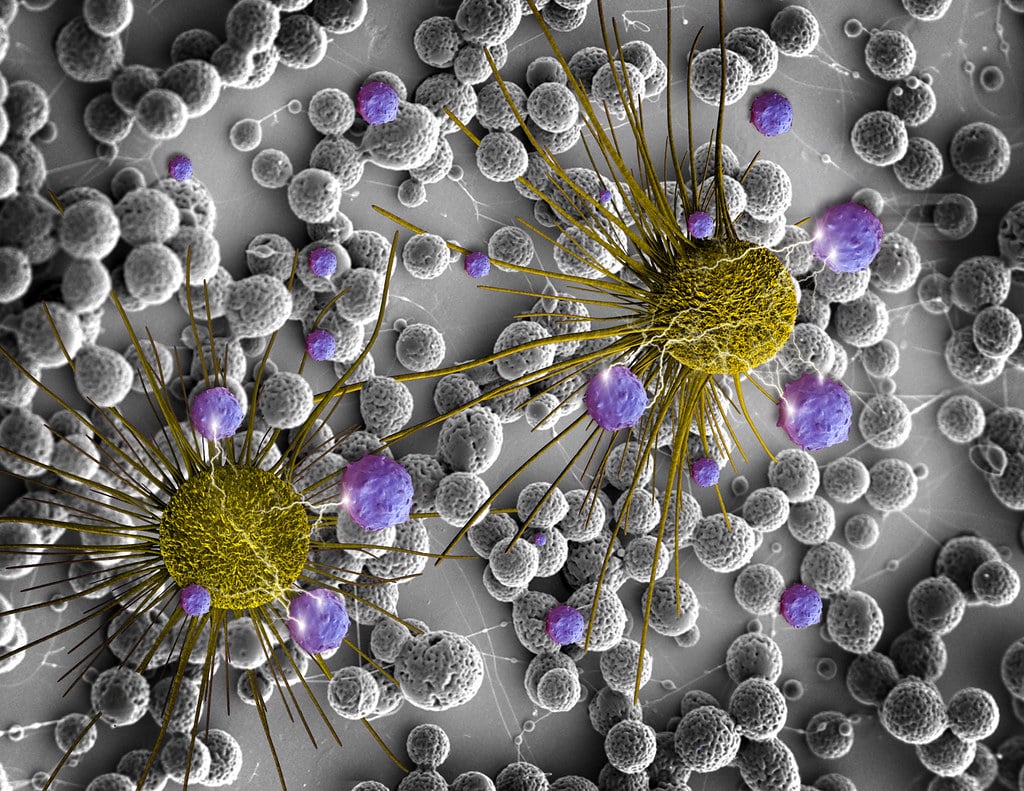
Navigating New Frontiers in Cancer Treatment
In cancer research, the combination of histology, genomics, and spatial transcriptomics has opened new avenues for precision medicine. Traditionally, histology has been pivotal in diagnosing cancer and determining its stage and grade. But its potential to predict therapy response or prognosis accurately has been limited.
To support this rapidly advancing field, specialized histology CROs (Contract Research Organizations) are increasingly providing expert services in tissue analysis, genomic profiling, and spatial transcriptomics. Partnering with a histology CRO enables researchers and pharmaceutical companies to access cutting-edge technologies and expertise, accelerating discoveries and the development of precision therapies.
The genomic aspect helps in identifying genetic variations or mutations that fuel the growth of cancer cells, thereby enabling personalized, targeted therapy. However, a crucial piece of the puzzle has often been the spatial context, which is provided by spatial transcriptomics.
By preserving the spatial information of tissue architecture and overlaying it with gene expression data, spatial transcriptomics offers insights into the heterogeneity within tumors. Variations in gene expression within different regions of the same tumor can significantly impact treatment responses, making this spatial context invaluable for improving therapeutic effectiveness.
Moreover, spatial transcriptomics can illuminate the complex interactions between tumor cells and their surrounding microenvironment. This understanding can help identify how these interactions facilitate cancer progression and how they can be disrupted to halt disease progression.
The Future of Genomic Histology and Spatial Transcriptomics
With the advent of technologies like artificial intelligence (AI) and machine learning (ML), the field of genomic histology and spatial transcriptomics is set to revolutionize disease diagnostics and treatment going further. AI and ML algorithms can be trained on extensive databases of histology, genomics, and spatial transcriptomics data to predict disease outcomes, guide personalized therapy, and even identify novel therapeutic targets.
Further advancements in spatial transcriptomics technology hold promise for uncovering even more detailed information about gene expression within cells and tissues. This includes not only the level of gene expression but also the specific isoforms of RNA molecules that are being produced, providing a more nuanced understanding of cellular function and disease mechanisms.

Bottom Line
In the field of cellular biology and disease pathology, the intricate threads of histology, genomics, and spatial transcriptomics are woven together, each contributing vital nuances to our overall understanding. Histology presents us with a microscopic view of tissue structures; genomics exposes the underpinnings within our genomes; and spatial transcriptomics adds the crucial dimension of context to gene expression.
The synergy of these fields is profoundly impacting our approach to diagnosing and treating complex diseases like cancer. It has ushered in a new era of precision medicine, where diagnoses are refined, treatments are tailored to the individual, and outcomes are improved.
And despite not being the direct “link,” spatial transcriptomics has emerged as a transformative force, forging connections between histology and genomics that intensify our comprehension of disease mechanisms.
Looking forward, innovations such as artificial intelligence and machine learning promise to augment this interdisciplinary approach, offering capabilities to predict disease outcomes, guide personalized therapies, and uncover novel therapeutic targets. Furthermore, advancements in spatial transcriptomics promise to illuminate our cellular universe in even greater detail.


