
Workplace accidents occur with alarming frequency, often in environments that appear completely secure. From busy corporate offices to active construction sites, every profession presents unique challenges that require vigilance. Prioritizing occupational safety is essential for any thriving business. Identifying the most common workplace hazards remains the most effective way to mitigate risks and prevent injuries.
Understanding the root causes of these incidents enables proactive prevention. Whether you’re an employee trying to stay safe or an employer wanting to protect your team, being aware of workplace hazards can make a huge difference. The following breakdown examines the root causes of these accidents and effective methods for avoidance.

1. Mitigating Risks of Slips, Trips, and Falls
Slips, trips, and falls are some of the most common accident causes in any workplace. Hazards that seem insignificant can quickly become dangerous if left unaddressed. Common culprits often include:
- Wet floors resulting from spills or cleaning
- Loose cables trailing across walkways
- Uneven surfaces or damaged flooring
- Cluttered walkways obstructing safe passage
While often dismissed as minor, such incidents frequently result in severe outcomes, including broken bones, back injuries, or head trauma.
Effective Prevention Strategies
Preventing these incidents often requires only simple, consistent actions from the entire team. Effective measures include:
- Cleaning spills quickly to remove slip hazards
- Keeping hallways clear of obstructions
- Wearing proper footwear with adequate grip
Implementing these small changes can prevent a significant number of workplace injuries.
2. The Dangers of Poor Housekeeping Standards
A messy workplace is a dangerous workplace. A disorganized environment is a breeding ground for accidents. Signs of poor housekeeping that increase injury risks include:
- Boxes or materials left on the floor
- Tools scattered around work areas
- Unorganized workspaces that impede movement
Poor housekeeping can also hide other hazards, like damaged flooring or leaking equipment, making them harder to spot until it is too late. Maintaining a pristine and organized environment serves as one of the most effective strategies for accident reduction. When everyone contributes to a tidy environment, the workplace becomes much safer.

3. Operating Hazardous Machinery and Equipment Safely
Workplaces that use heavy machinery or power tools carry a higher risk of accidents. Working near heavy machinery exposes employees to specific physical dangers. The most frequent risks involve:
- Getting caught in machines or entanglements
- Being struck by moving parts or debris
- Exposure to loud noises that cause hearing damage
Awareness of these specific dangers is the first line of defense in industrial settings.
Essential Safety Protocols
Mitigating these risks requires a strict adherence to safety protocols. Essential prevention strategies include:
- Mandating proper training for all operators
- Conducting routine inspections of all equipment
- Providing and enforcing the use of protective gear
These steps are essential for preventing accidents and ensuring machinery is used safely.
4. Addressing the Lack of Training or Safety Education
Many workplace accidents occur because employees lack knowledge of proper safety procedures. Insufficient training increases the likelihood of critical errors that endanger both the individual and the collective workforce.
Training should be ongoing—not just a one-time event. Whether it’s learning how to lift heavy items safely or understanding how to operate equipment, proper education saves lives.
5. Understanding the Risks of Chemical Exposure
Some jobs involve working with chemicals, cleaning products, or hazardous materials. Exposure to hazardous substances can have immediate and lasting effects on the body. Potential health consequences include:
- Severe chemical burns on contact
- Breathing problems from inhaling fumes
- Long-term health issues from prolonged exposure
It is vital to recognize these dangers to implement effective protective measures. Employers hold the responsibility to provide appropriate protective equipment, distinct safety labels, and comprehensive handling instructions.

6. Preventing Repetitive Motion and Overexertion Injuries
Workplace injuries do not always occur suddenly; many manifest gradually through cumulative strain. Injuries often develop slowly through routine tasks that strain the body over time. Common activities that contribute to this include:
- Continuous typing without adequate rest
- Repetitive lifting of heavy objects
- Using certain tools with poor ergonomics
These actions can lead to muscle strain, joint pain, and long-term injuries like carpal tunnel syndrome. Encouraging breaks, stretching, and using ergonomic equipment can help prevent these injuries.
7. Securing Workspaces Against Falling Objects
In workplaces like warehouses, construction sites, and storage areas, items stored at high levels can fall and hit workers. When items are not stored securely, the impact on a worker can be devastating. Injuries resulting from falling objects often range from:
- Minor cuts and abrasions
- Severe bruises and soft tissue damage
- Critical head injuries or concussions
Preventing these incidents starts with proper storage and securing overhead items. Such impacts often result in cuts, bruises, or severe head trauma. Securing shelves, using proper storage techniques, and requiring hard hats in certain areas can reduce these accidents.
8. Identifying and Mitigating Electrical Hazards
Faulty wiring, exposed cords, or overloaded outlets can lead to electrical shocks or fires. Electrical safety is often overlooked until a malfunction occurs. Major sources of danger include:
- Faulty wiring in aging buildings
- Exposed cords that can fray or spark
- Overloaded outlets powering too many devices
Unresolved electrical faults pose an immediate threat of dangerous shocks or catastrophic fires. Regular inspections and following electrical safety guidelines are key to preventing these hazards.
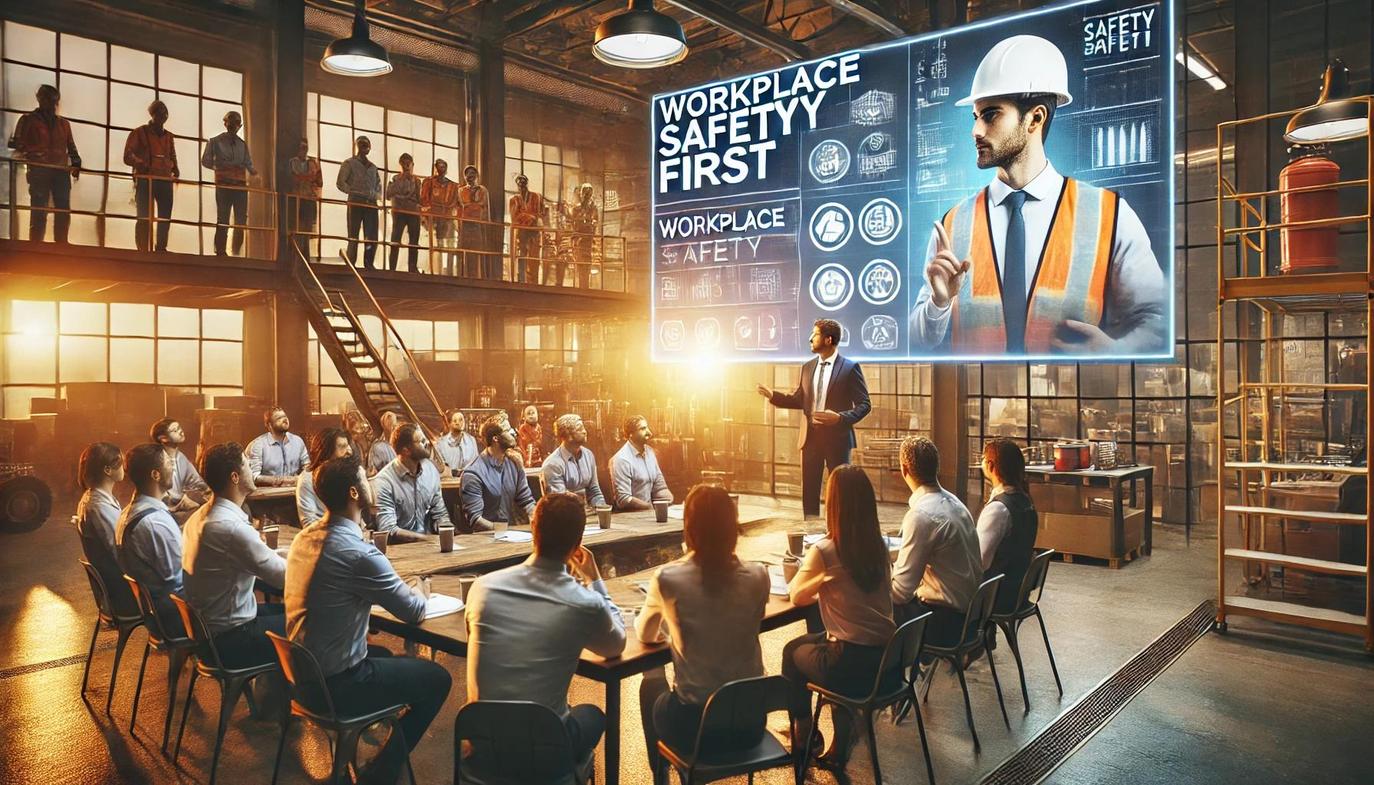
Prioritizing Prevention and Safety Culture
Creating a safe work environment requires more than just identifying risks. It demands a proactive commitment to occupational safety from every level of the organization. When employers and employees collaborate to spot workplace hazards before they cause harm, the entire culture shifts from reactive to preventive. This shared vigilance ensures that safety protocols are not just rules to follow but values to live by.
Investing in regular training and maintaining open lines of communication can drastically reduce the frequency of workplace accidents. By remaining aware of the surroundings and reporting potential dangers immediately, workers protect not only themselves but also their colleagues as well. A robust safety culture is the strongest defense against the unpredictable nature of on-the-job risks.
Key Takeaways
- Workplace accidents are often caused by simple, preventable hazards.
- Slips, trips, falls, and poor housekeeping are major contributors to injuries.
- Proper training, safety equipment, and clean work areas greatly reduce risks.
- Machinery, chemicals, and electrical issues require extra caution.
- Awareness and teamwork can make any workplace safer for everyone.

Common Questions About Workplace Safety
What are the most common workplace hazards?
The most frequent hazards include slips, trips, and falls, followed closely by electrical issues, chemical exposure, and accidents involving heavy machinery.
How do I report a safety hazard at work?
Immediately notify your supervisor or safety manager in writing and follow your company’s specific reporting protocols to ensure the issue is documented and addressed.
Why is housekeeping important for workplace safety?
Proper housekeeping eliminates clutter and debris, significantly reducing the likelihood of slips, trips, and falls while uncovering hidden dangers like damaged flooring.
What causes the most accidents on the job?
Human error, often stemming from fatigue, lack of training, or rushing through tasks, is a leading cause of preventable workplace accidents.
How often should safety training occur?
Safety education should be an ongoing process, with refresher courses conducted at least annually or whenever new equipment and protocols are introduced.

