
Proactive inspections are essential for reducing operational risks and controlling costs in logistics, transportation, and storage operations. By implementing structured inspection routines, businesses can identify potential issues before they escalate—a critical step considering that cargo theft losses surged by 60% to an estimated $725 million in 2025. These inspections help prevent cargo loss, tampering, and unnecessary delays while ensuring shipments remain secure throughout transit. Teams that prioritize early detection of problems save both time and money by avoiding corrective measures that often cost more than prevention. Using practical tools such as cable seals and inspection logs allows staff to perform consistent checks and verify cargo integrity effectively.
Understanding how proactive inspections work is crucial for any organization handling valuable or sensitive shipments, especially as the average value per theft rose 36% to nearly $274,000 recently. The strategies discussed here provide actionable steps to enhance security and streamline operations. Implementing these strategies reduces the risk of theft, tampering, and compliance violations, which can impact revenue and reputation. Organizations that adopt structured inspection procedures also improve accountability and operational transparency. Overall, proactive inspections serve as a reliable method to safeguard shipments and optimize workflow efficiency.
1. Establish a Structured Inspection Schedule
Creating a consistent inspection schedule ensures that checks are performed at every critical stage of shipment handling. Regularly scheduled inspections help detect tampering, misplacement, or damage before shipments leave the facility. Teams should document each check in a log to maintain accountability and create an audit trail. Using a structured schedule also allows managers to assign specific responsibilities to staff, ensuring no critical steps are missed. Implementing this routine reduces unexpected disruptions and allows early intervention when issues arise.
Structured schedules also provide insights into recurring risks and vulnerabilities. Analyzing inspection records helps identify patterns such as frequent handling errors or weak seal applications. Adjusting schedules based on these insights ensures resources are used efficiently. Over time, a routine approach standardizes operations and improves compliance with internal and regulatory requirements. Organizations benefit from reduced losses and smoother operational workflows when inspections become a consistent, predictable practice.
2. Focus on High-Risk Touchpoints
Identifying areas most vulnerable to tampering or loss increases the effectiveness of inspections. Loading docks, transit checkpoints, and storage areas are particularly susceptible to unauthorized access or mishandling. Concentrating inspection efforts on these high-risk points ensures that potential issues are detected quickly. Teams should verify the integrity of seals and packaging, including the proper application of cable seals. Prioritizing critical touchpoints reduces the likelihood of shipment compromise and enhances overall security.
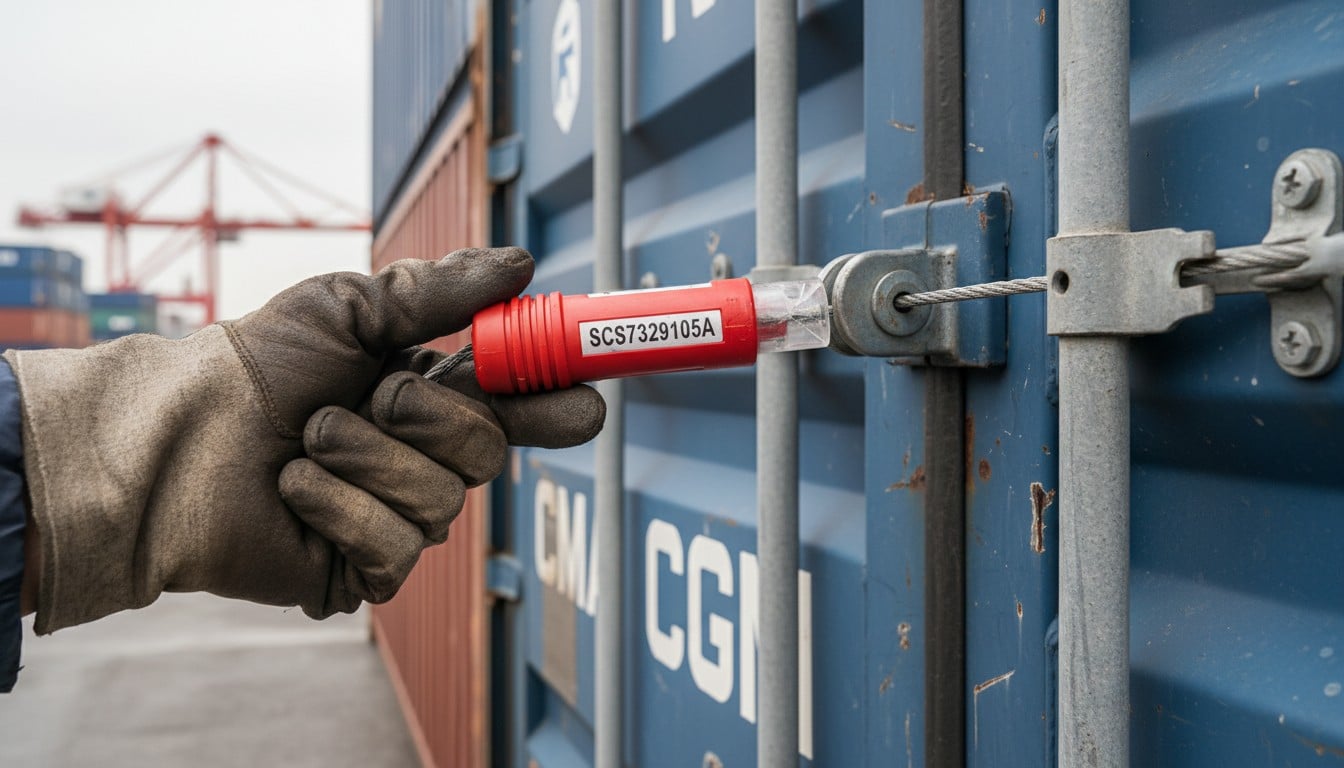
Regular attention to high-risk areas also improves operational control and efficiency. Staff become more aware of potential hazards, and preventive measures can be implemented proactively. Tracking incidents and near-misses at these points supports continuous improvement. Applying this targeted approach allows for better allocation of inspection resources without increasing workload. Ultimately, focusing on vulnerable areas prevents small problems from escalating into significant operational or financial losses.
3. Implement Verification and Documentation Procedures
Verification and documentation are key elements of effective proactive inspections. Every inspection should be recorded, including the condition of seals, packaging, and the overall shipment status. Detailed records help detect anomalies and provide evidence for investigations if a problem occurs. For example, meter seals can be checked and documented as part of a verification process to confirm that meters or containers have not been tampered with. Accurate documentation also supports compliance reporting and operational audits, reducing the risk of fines or penalties.
Structured documentation reinforces accountability among staff. When each inspection is logged, deviations from standard procedures become easier to identify. Organizations can analyze trends to pinpoint recurring problems and implement corrective measures. Verification procedures also improve communication between teams, as records provide a shared reference for shipment status. This combination of verification and documentation reduces uncertainty and ensures that proactive inspections lead to measurable improvements in safety and cost control.
4. Train Staff in Tamper Detection and Inspection Protocols
Well-trained personnel are essential for effective inspections. Employees must understand how to detect tampering, including recognizing irregularities in packaging, seals, and shipment appearance. Training should include proper handling of tools and seals, such as tamper-evident applications, to maintain integrity. Staff should also be familiar with the documentation process, knowing what to record and how to report anomalies. Proper training reduces human error, enhances operational efficiency, and increases the reliability of inspections.
Ongoing training ensures staff remain updated on best practices and emerging risks. Scenario-based exercises and refresher sessions reinforce skills and improve responsiveness to potential threats. Knowledgeable employees are more confident in performing inspections, which contributes to faster issue detection and resolution. This approach strengthens overall security while promoting a culture of accountability. By investing in staff capabilities, organizations can reduce the risk of shipment compromise and associated costs significantly.
5. Utilize Technology and Inspection Tools
Incorporating technology enhances the effectiveness and efficiency of inspections. Digital inspection logs, tracking systems, and sensors help staff monitor shipments in real-time. Tools such as tamper-evident tape provide a visible indicator if packages have been compromised during handling or transit. Technology enables faster verification, better record-keeping, and compliance with high-authority ISO 28000 security management standards. Using these solutions reduces manual errors, improves compliance, and enhances operational control across the supply chain.
Technology also supports data analysis and decision-making. Tracking inspection results over time reveals trends that may indicate weak points or recurring problems. Organizations can adjust procedures, allocate resources more effectively, and predict potential issues before they occur. Integration of technology complements human oversight, allowing teams to focus on critical tasks while maintaining consistent monitoring. Ultimately, combining tools with proactive inspection strategies reduces risk and optimizes cost management for businesses.

To Sum Up
Proactive inspections provide a clear strategy for reducing risk and controlling costs in logistics and storage operations. By implementing structured schedules, focusing on high-risk touchpoints, maintaining verification and documentation procedures, training staff in tamper detection, and utilizing technology and inspection tools, businesses can safeguard shipments and prevent costly losses. Early detection of potential issues ensures compliance, protects operational efficiency, and preserves the organization’s reputation.
Investing in proactive inspection programs is a practical and measurable approach to operational security. Organizations benefit from reduced financial exposure, improved workflow consistency, and greater confidence that shipments remain intact and untampered. By following these five strategies and using sealing and monitoring methods naturally within inspection routines, teams can achieve meaningful improvements in both safety and cost efficiency. Consistent application of these practices makes risk management a reliable part of everyday operations. Properly secured and verified cargo ensures that potential breaches are caught early, protecting both resources and reputation.


