
Part of the problem causing the plastic pollution crisis is the abundance of non-recyclable materials currently used for packaging food products. These single-use items that can’t even by recycled are filling up the landfills and our beautiful oceans. Disappointed by this situation, Chile-based designer Margarita Talep was inspired to develop her own eco-friendly packaging that would stand in for plastic.

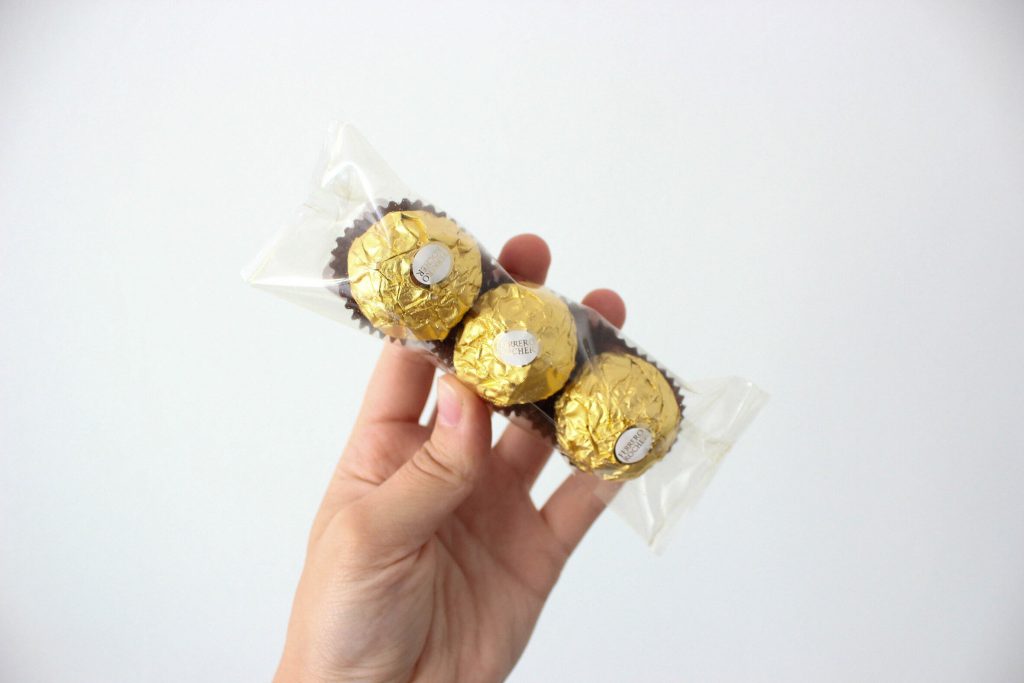 From this desire to come up with a real solution, Talep created a sustainable, biodegradable alternative to single-use packaging, using raw material extracted from algae. This truly biodegradable plastic works because it is made from 100% organic material that can easily break down after just a couple months, depending on the weather conditions.

 Talep said the material includes only natural matter, even the dyes used to color it. Her plastic comes in a rainbow of hues, all made from colors that are extracted from the skins of fruits and vegetables, such as blueberries, purple cabbage, beetroot, and carrots. These natural dyes are added modestly, just enough to add a gentle color.
 The basic mixture for the bioplastic itself is made up of a polymer, a plasticizer, and an additive. The amounts of each ingredient vary depending on the desired consistency of the final product. The main ingredient is the polymer, which is agar, a jelly-like polysaccharide substance that is extracted from red algae by boiling. The plasticizer is water, and an additive is a natural dye.
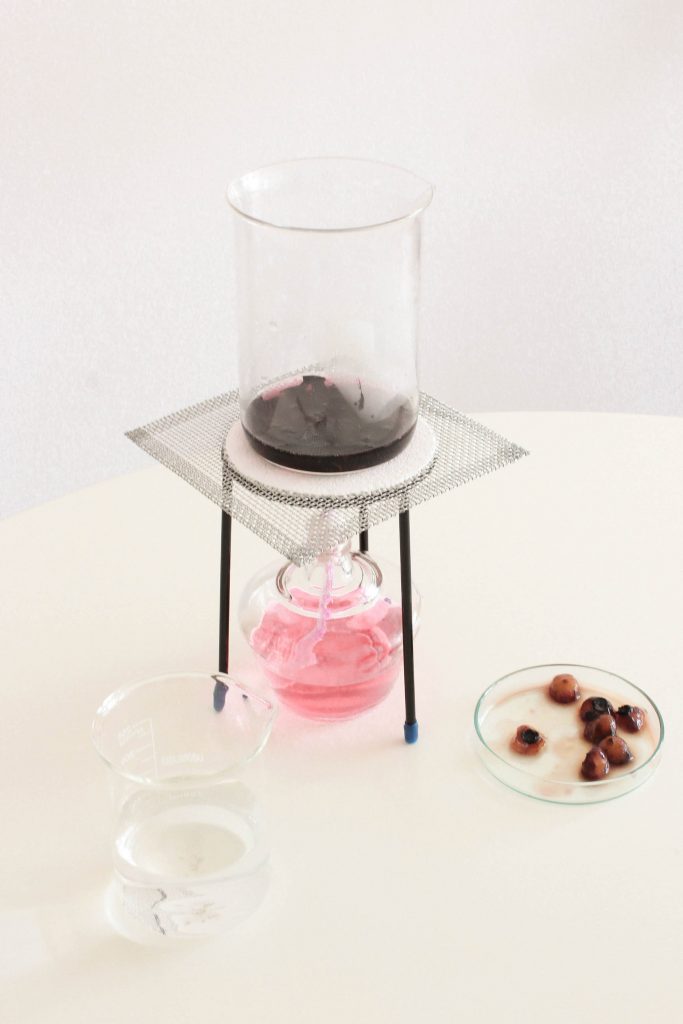
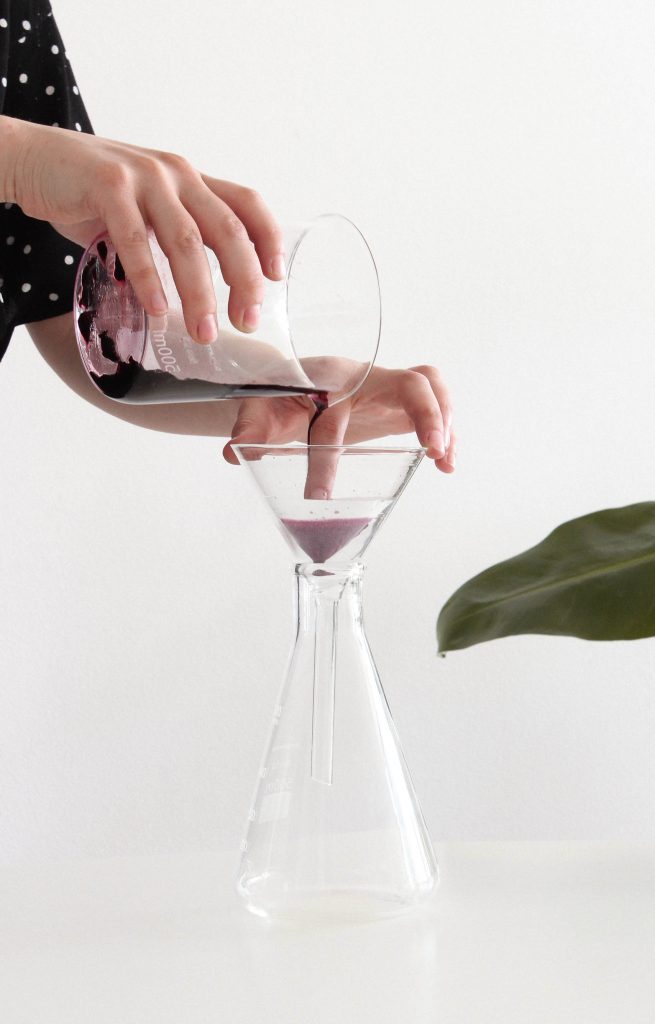
Talep boils the agar mixture to around 80° Celsius (176°F) to make a material that bears a close resemblance to thin plastic. Once melted, the molten liquid is transferred into a mold. The liquid takes on a gel-like consistency when the temperature drops to below 20° Celsius (68°F). At this point, it is left to dry in a well-ventilated environment with a constant temperature until it becomes similar to paper or thin plastic.
The versatility of the algae-derived material means that it has the potential to generate many different types of bioplastics, some more rigid and others more flexible, like conventional plastic, just by altering the proportions of polymer, plasticizer, and additive in the mixture. She recommends the bioplastic packaging to be used for containing dry food products. For sealing, use heat rather than glue. It works best, and the end result remains as natural as possible.

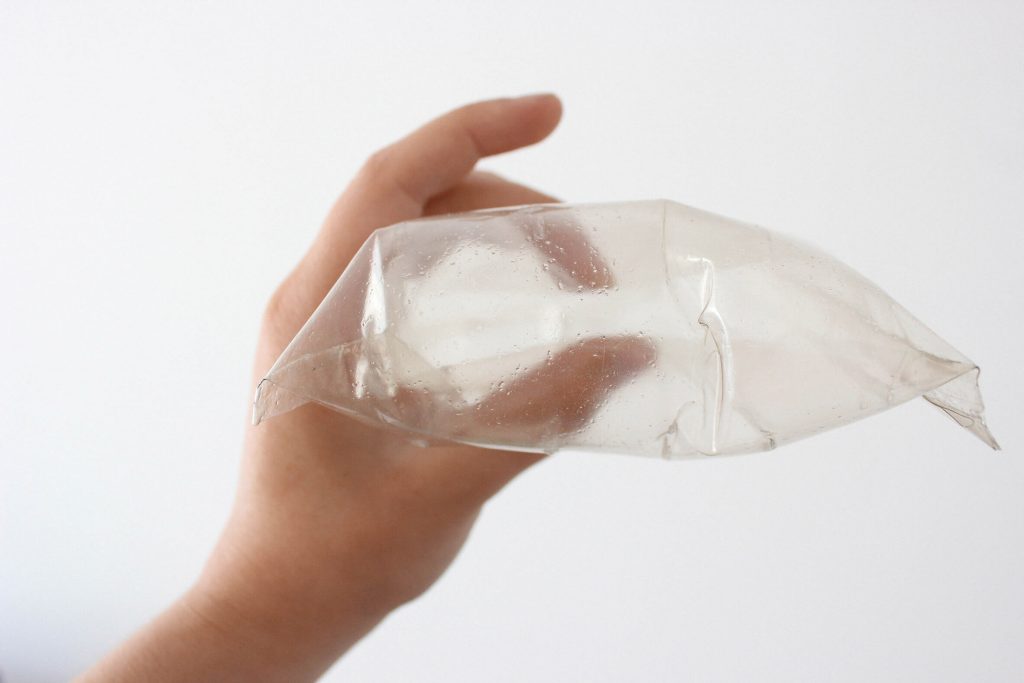 Depending on the thickness of the material and the temperature of the soil, Talep’s algae packaging is designed to biodegrade in around two to four months. Unlike other bioplastics that can only decompose in warm temperatures over 30° Celsius, Talep insists that, while biodegradation is indeed slower in cooler, winter temperatures, it is not less effective. The bioplastic takes around two months to decompose in summer temperatures, depending on the thickness, and about three to four months to decompose completely in winter.

 Talep concludes, “I believe that bio-fabrication will be an important part of future industries. As long as all the processes of extracting these raw materials and their manufacture are done with environmental awareness. But it is not enough just to create new materials. These different solutions to the huge environmental problem must work in parallel with other action.
Different nations should implement action plans for reducing the amount of plastic waste produced by introducing more circular economy projects, keeping plastic in a cyclical system to prevent it from ending up at landfill or in the sea.”


