
A well-maintained lawn is a testament to careful work, attention to detail, and the right equipment. At the heart of every healthy, manicured yard lies one essential component: the mower blade. The type of blade you use plays a crucial role in cut quality, turf health, and overall efficiency. However, with numerous blade styles available, how do you select the best one?
Whether you’re a homeowner, landscaper, or lawn care enthusiast, understanding the different types of blades, their benefits, and how they impact your lawn can make all the difference.
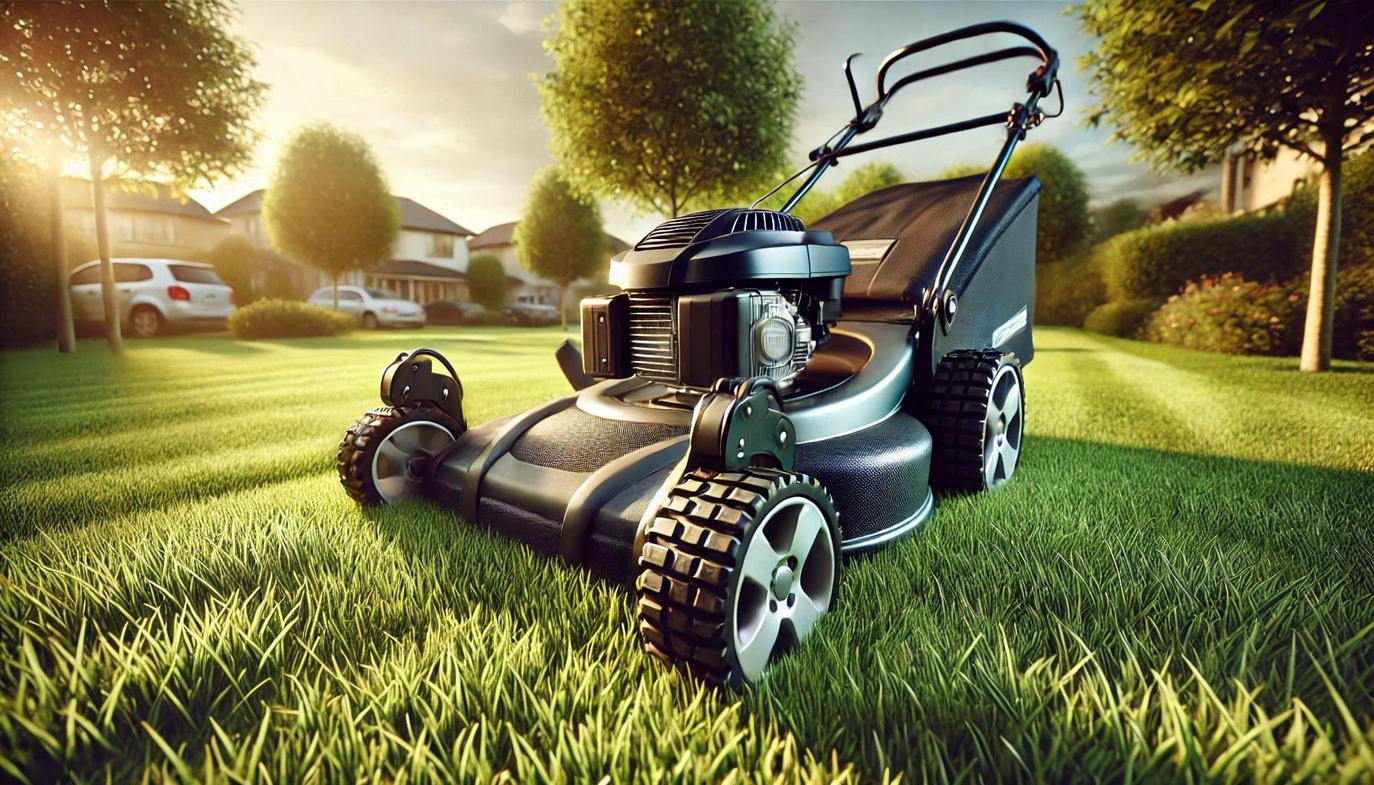
Understanding Lawn Mower Blade Types
The selection of the best lawn mower blade depends on your lawn type, mowing goals, and mower compatibility. Let’s explore the most common options.
Mulching Blades vs. Regular Blades
Mulching blades, often referred to as “3-in-1” blades, are designed with a curved surface and multiple cutting edges to chop grass into fine clippings. These clippings are redistributed into the soil to provide natural fertilization. Standard or regular blades, also known as “2-in-1” blades, have a straight edge and are optimized for discharge or bagging rather than recycling clippings.
The question of what cuts better—mulching or regular blades—ultimately depends on your specific lawn care goals. If you want to feed your lawn with clippings and reduce waste, mulching blades offer a cleaner, more efficient cut. However, for taller or wet grass, regular blades often provide superior lift and a cleaner discharge, particularly in high-volume mowing situations.
For those using Husqvarna mowers, reliable aftermarket parts are readily available. Options like Husqvarna replacement lawn mower blades combine durability with performance, making them a popular choice among both homeowners and professionals.
High-Lift, Low-Lift, and Medium-Lift Blades
The “lift” refers to how much airflow a blade generates to lift the grass as it cuts. This affects how clean the cut is and whether clippings are bagged or discharged effectively.
- High-lift blades: Best suited for bagging and discharging, especially on thicker or more moist grass.
- Low-lift blades: Ideal for sandy soils or dry conditions, as they produce minimal dust and are gentler on the grass.
- Medium-lift blades: A balanced choice for general-purpose mowing with decent airflow and mulching capability.

What Type of Lawn Mower Blades Are Best for Your Needs?
Choosing the right blade depends on the specific needs of your lawn:
- For lush, dense lawns: Opt for mulching or high-lift blades to maintain a crisp finish.
- For drier or sandy areas: Low-lift blades reduce debris and soil disturbance.
- For uneven terrain or obstacles: Blades with reinforced edges or serrated tips add durability and adaptability.
Keep in mind that not all blades are compatible with every mower, so always check your mower’s specifications.
What Mower Blades Do Professionals Use?
Professional landscapers prioritize durability, versatility, and cutting precision in their blade selection. High-lift or commercial-grade mulching blades are common choices, especially in varied environments. Professionals often prefer OEM (Original Equipment Manufacturer) or OEM-equivalent blades, which offer consistent quality and extended life.
Professionals often rely on specialized vendors to ensure they receive consistent inventory and performance-tested parts. For example, Husqvarna replacement lawn mower blades available at UDC Parts are a trusted option for professionals needing efficiency and long-term value.

Maintaining Cut Quality Through Blade Care
Even the best blades require regular maintenance. Dull, bent, or rusted blades can tear grass instead of cutting it cleanly, leading to brown tips, lawn diseases, and uneven growth.
Blade Care Tips
- Sharpen regularly: Check for dullness after every 20–25 hours of mowing.
- Inspect for damage: Look for chips, cracks, or bends that can reduce effectiveness.
- Balance your blades: Unbalanced blades cause vibration and damage the mower deck.
- Clean after use: Grass buildup reduces cutting efficiency and increases the risk of corrosion.
Replacing blades at the start of each season or after heavy use is a smart habit. Quality replacements from reliable sources, such as UDC Parts, ensure your mower performs at its best.
The Critical Link Between Blade Type and Lawn Health
Healthy lawns start with clean cuts, as torn or shredded grass blades lose moisture quickly and become more prone to fungal infections. In contrast, a clean cut promotes quicker healing, better photosynthesis, and uniform growth.
A poorly cut lawn is not only visually unappealing but is also susceptible to long-term stress and disease. That’s why choosing the right blade—and keeping it sharp—is essential for long-term lawn health.

Achieving The Perfect Cut: Your Guide to Optimal Lawn Health
Selecting the best blades for cutting grass is a foundational step in achieving a healthy, visually appealing lawn. It’s not just about mower compatibility; it’s about making a strategic choice that directly impacts your turf’s health and resilience.
From the nutrient-recycling benefits of mulching blades to the clean bagging capabilities of high-lift blades, the right equipment empowers you to achieve professional-level results. By investing in high-quality blades, like the reliable Husqvarna replacement options, and committing to regular maintenance, you ensure every mow contributes positively to your lawn’s vitality. A sharp, well-chosen blade delivers a clean cut that promotes faster healing and protects against disease, solidifying the connection between superior equipment and superior lawn care.
Frequently Asked Questions About Lawn Mower Blades
How Do I Know When to Replace My Mower Blades?
Inspect your blades regularly for signs of significant wear, such as large nicks, cracks, or if a blade is bent or severely unbalanced. Even with regular sharpening, blades lose their form over time. As a general rule, replacing them at the start of every mowing season is a great practice to ensure peak performance.
Are Expensive Mower Blades Worth the Cost?
In most cases, yes. Higher-quality blades, including OEM or premium aftermarket options like those from UDC Parts, are typically made from more durable steel. They hold a sharp edge longer, resist damage better, and are balanced more precisely, which protects your mower’s engine and delivers a cleaner cut.
Can I Use a Mulching Blade for Bagging?
While you can use a mulching blade for bagging, it may not be as efficient as a dedicated high-lift blade. Mulching blades are designed to chop clippings finely and force them down into the turf. High-lift blades, conversely, are designed to create powerful airflow to push clippings into the bag. If you primarily bag your clippings, a high-lift blade is the better choice.

