
Search Engine Optimization dictates how easily new patients can find your dental practice online. When someone experiences a toothache or decides it is time for teeth whitening, their first step is usually to search online. If your practice does not appear at the top of those search results, you are missing out on a significant number of potential patients. SEO is the process of improving your website so that search engines like Google rank it higher for relevant queries.
Justin Morgan, widely recognized in the industry as the Dental Marketing Guy, has spent years refining the exact tactics that help practices dominate their local search markets. He understands that marketing a dental clinic requires a specific approach. General marketing advice often fails to address the unique challenges dentists face, such as hyper-local competition and the need to establish profound medical trust.
By applying proven, industry-specific techniques, practices can drastically increase their visibility. Morgan’s framework breaks down technical marketing jargon into manageable, actionable steps. Implementing these strategies will help you build a robust digital presence, attract high-value patients, and ultimately grow your practice.
If you are looking for the best SEO for dental practices, check out Justin Morgan’s recommendations.
1. Claim and Optimize Your Google Business Profile
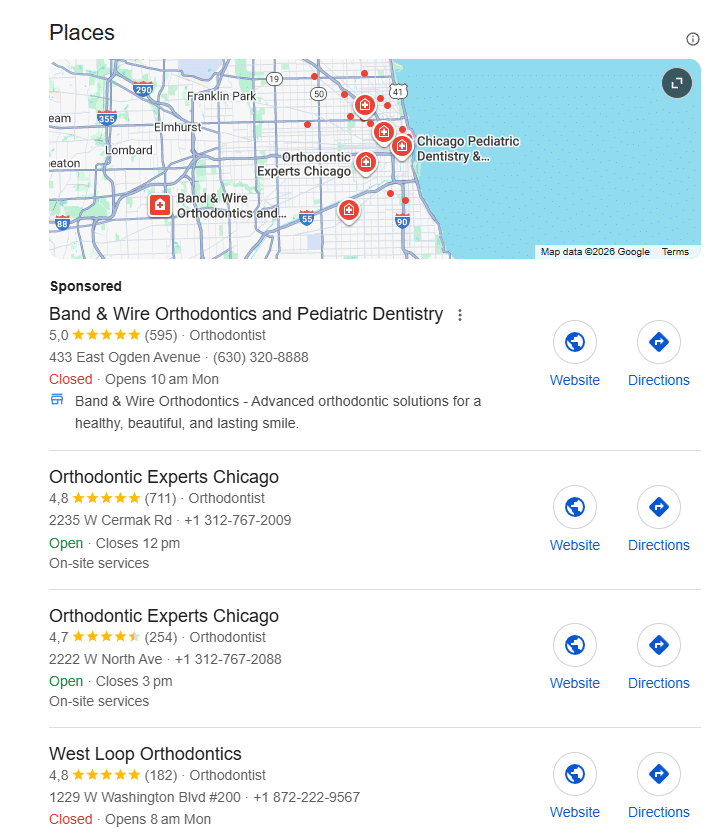
Your Google Business Profile is the most critical asset for local search visibility. This free listing dictates your appearance in Google Maps and the local “map pack”—the block of three local business listings that appears at the top of search results.
To fully optimize this profile, ensure every single field is complete. Add your accurate operating hours, a detailed description of your practice, and high-quality photos of your clinic’s exterior, interior, and staff. Regularly update the profile with posts about new services or holiday hours. Search engines favor active profiles because they signal that the business is open and engaged with the public.
Displaying
It’s also a good idea to embed your Google reviews on your website. This showcases client trust while improving your site’s SEO by offering search engines more rich content to scan.
2. Target High-Intent Dental Keywords
Keywords are the exact words and phrases people type into search engines. Justin Morgan emphasizes the importance of targeting “high-intent” keywords. These are search phrases that indicate the user is ready to book an appointment right now, rather than just doing casual research.
For example, a phrase like “tooth pain causes” is a low-intent, informational search. The user might live thousands of miles away. On the other hand, searches like “emergency dentist near me” or “Invisalign provider in [City Name]” are high-intent. Identify the specific procedures that bring the most value to your practice, such as dental implants or veneers, and map those directly to your local geographic area.
3. Create Dedicated Service Pages
Many dental websites make the mistake of listing all their treatments on a single “Services” page. Search engines struggle to rank a single page for dozens of different topics. Morgan advises creating a separate, dedicated page for every individual service you offer.
If you provide teeth whitening, root canal therapy, and pediatric dentistry, each requires its own page. This structure allows you to optimize the page title, headings, and content specifically for that one treatment. You can go into detail about the procedure, the benefits, and the expected recovery time. This depth of information signals to search engines that your site is an authoritative source on the subject.
4. Earn Industry-Specific Backlinks
A backlink is a link from another website that points to your website. Search engines view backlinks as votes of confidence. If many reputable sites link to yours, it proves your site is trustworthy. Morgan’s methodology heavily focuses on earning high-quality, relevant links.
Do not waste time pursuing spammy directory links. Focus on local and industry-specific connections. You can earn backlinks by sponsoring local community events, joining your local Chamber of Commerce, or writing guest articles for dental associations. A link from a local healthcare blog carries far more weight than a link from an unrelated, generic website.
5. Accumulate Authentic Patient Reviews
Online reviews are a major ranking factor for local SEO. Search engines want to recommend the best businesses to their users. A high volume of positive reviews strongly indicates that your practice provides excellent care.
Develop a systematic process for requesting reviews from happy patients. You can automate this through your practice management software by sending a polite text message or email after a successful appointment. This builds a reputation for providing excellent care and helpful dental health tips. Always respond to your reviews, both positive and negative. Thank patients for their kind words, and address any complaints with professionalism and a genuine desire to resolve the issue.
6. Prioritize Website Speed and Mobile Responsiveness
Technical website health directly impacts your search rankings. Google uses “mobile-first indexing,” which means it primarily uses the mobile version of your website for ranking and indexing. If your site is difficult to navigate on a smartphone, your rankings will plummet.
Ensure your website uses a responsive design that automatically adjusts to fit any screen size. Additionally, focus on loading speed. Patients will leave your site if it takes more than a few seconds to load. Compress large image files, utilize browser caching, and ensure your web hosting provider offers reliable speeds.
7. Publish Educational Dental Content
Content marketing helps establish your authority and attracts traffic from patients in the research phase of their journey. By publishing educational blog posts, you answer the exact questions your patients are asking in the examination room and educate them on the link between oral health and overall health.
Write articles on topics like “How to choose the right toothbrush,” “What to expect during a root canal,” or “The benefits of clear aligners over traditional braces.” When you provide clear, helpful answers without excessive medical jargon, you build trust. This educational content also keeps your website fresh, which search engines reward with better visibility.
8. Implement Local Business Schema Markup
Schema markup is code added to your website that helps search engines better understand your content. It provides explicit clues about the meaning of a page. For a dental practice, the “Local Business” schema is essential.
This code translates your business information—such as your address, phone number, opening hours, and accepted payment methods—into a language that search engine bots can easily digest. While it may sound highly technical, many modern website platforms and plugins offer simple tools to add this markup without writing code yourself.
9. Maintain Strict NAP Consistency
NAP stands for Name, Address, and Phone number. Search engines cross-reference this data across the entire internet to verify your business’s legitimacy. If your clinic is listed as “Smith Family Dentistry” on your website, but “Smith Dental” on Yelp, search engines get confused.
Conduct an audit of your practice’s listings across all directories, including Yelp, Healthgrades, Apple Maps, and Facebook. Ensure your NAP information is perfectly consistent down to the last detail. If you use “Suite” in one place, do not use “Ste.” in another. Perfect consistency builds search engine confidence in your location data.
10. Monitor, Measure, and Refine
SEO is not a one-time project. It requires continuous monitoring and adjustment. Justin Morgan teaches that you must track your metrics to understand what is working and where you need to improve.
Set up Google Analytics and Google Search Console on your website. These free tools show you exactly how many people visit your site, which pages they view the most, and what search terms they used to find you. Review this data monthly. If you notice a specific service page is getting high traffic but few appointment bookings, you may need to improve the page’s layout or make your contact information more prominent.

Frequently Asked Questions
How long does it take to see results from dental SEO?
SEO is a long-term strategy. Generally, it takes between three to six months to start seeing noticeable improvements in search rankings and website traffic. The exact timeline depends on the competitiveness of your local market and the current state of your website.
Do I need to hire a professional, or can I do SEO myself?
You can implement basic local SEO strategies, such as optimizing your Google Business Profile and gathering reviews, on your own. However, technical tasks like site speed optimization, schema markup, and advanced backlink building often require the expertise of a dedicated SEO professional.
Take Action on Your Dental SEO Today
Understanding Justin Morgan’s proven strategies is the first step toward transforming your practice’s online visibility. You now have a clear roadmap to capture local search traffic and convert those users into loyal patients. Start by auditing your current website and claiming your Google Business Profile. By systematically applying these ten techniques, you will build a sustainable, patient-generating digital footprint.

