
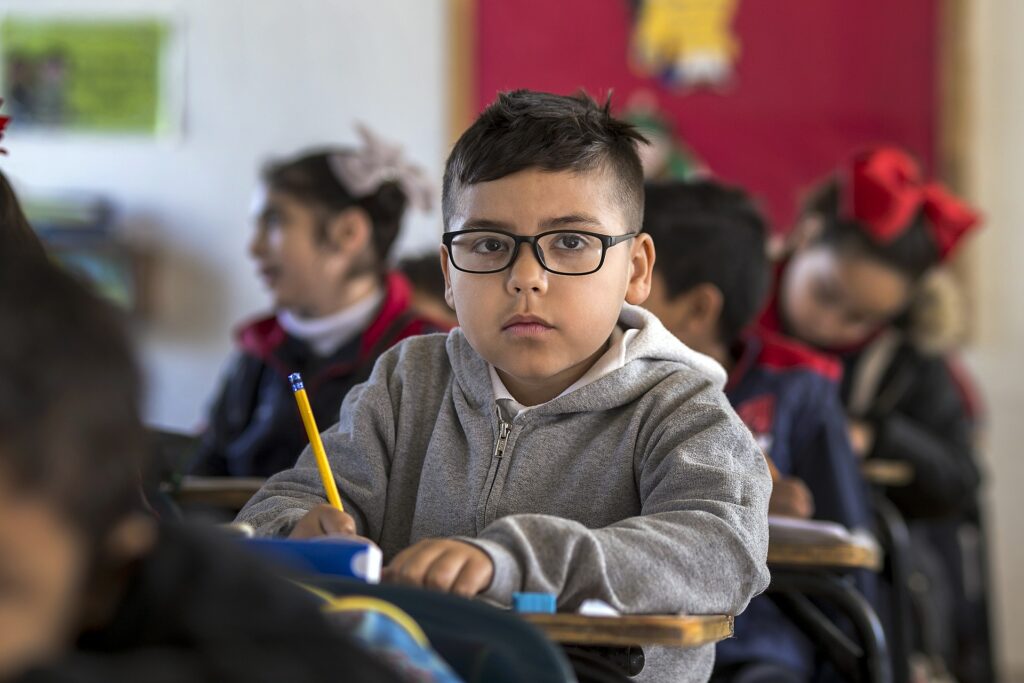
As of September 2021, all grade school students (Kindergarten through 12th grade) in New Jersey will be educated about climate change and its impacts on the environment and society. The Garden State wants to make sure that the next generation of adults knows about the consequences of harmful human activity and how the future health of our planet depends on everybody making sustainable choices.
The state Board of Education modified The New Jersey Student Learning Standards (which outline what is taught in New Jersey’s public schools), to include climate change education requirements across the following seven areas: 21st Century Life and Careers, World Languages, Science, Social Studies, Visual and Performing Arts, Comprehensive Health and Physical Education, and Technology. The new lessons to be implemented include how climate change can impact personal and public health, how climate change works, and how to use art to address climate change and other universal themes.

New Jersey public schools have been encouraged to institute more green activities since 2008, and many have been practicing sustainability initiatives through this Sustainable Jersey for Schools program. But it was never obligatory until now.
New Jersey First Lady Tammy Murphy thanked the board for its approval after having pushed for climate change lessons to be incorporated into the state’s curriculum. Stating that the move was a symbol of the state’s commitment to the health and well-being of future generations she proclaimed:
The adoption of these standards is much more than an added educational requirement; it is a symbol of a partnership between generations. Decades of short-sighted decision-making have fueled this crisis and now we must do all we can to help our children solve it. This generation of students will feel the effects of climate change more than any other, and it is critical that every student is provided an opportunity to study and understand the climate crisis through a comprehensive, interdisciplinary lens.
The new curriculum will prepare students for their futures because climate change will increasingly affect all parts of our society. It’s a really tangible problem that this generation of children will be required to face.
https://twitter.com/FirstLadyNJ/status/1268285809611816961?s=20
Murphy’s ally, Former Vice President Al Gore, also praised the new state standards saying:
I am incredibly proud that New Jersey is the first state in the nation to fully integrate climate education in their K-12 curricula. This initiative is vitally important to our students as they are the leaders of tomorrow, and we will depend on their leadership and knowledge to combat this crisis.
Also, Gov. Phil Murphy addressed the matter, but from a different perspective. He pointed out how the new rules will prep the next generation for a different economy than today, one shaped by climate change impacts. He said:
A top priority of my Administration has been to reestablish New Jersey’s role as a leader in the fight against climate change. The adoption of these standards across our K-12 schools is an important step forward that will strengthen the future of New Jersey’s green energy economy.
The curriculum change is a cornerstone of the governor’s clean energy push. His administration’s “top priority” is to re-establish the state as a leader in the discussion and action surrounding the climate crisis. So, this is but one of many steps to come in the right direction. Another measure involves phasing out natural gas.

And while New Jersey may be the first state to make this move, it will likely be a nationwide trend very soon. An NPR/Ipsos poll published last year revealed that nearly 90% of American teachers and 80% of parents believe climate change ought to be taught in schools.
Public attitude has shifted dramatically in recent years, from disregard and skepticism to overwhelming concern and activism. Even across party lines (nine in ten Democrats/two-thirds of Republicans) and regardless of whether the surveyors had children or not, American citizens support the idea of teaching climate change.
One such supporter is Amy Goldsmith, New Jersey State Director of Clean Water Action, who said:
As a mother of two college students, we have no time to waste when it comes to educating young people and inspiring them to help create a more just and sustainable future for all in this climate-changing world. What better place to start than at the beginning of a child’s education?
Another one was the New Jersey Department of Education Commissioner Lamont O. Repollet, who said:
One of the goals of our learning standards is to ensure New Jersey students are prepared to think critically, analyze data, and work collaboratively. These skills will be more important than ever as today’s young minds learn how to address the issue of climate change.
There are a couple of other places around the world making revisions in their curriculum to include climate change lessons. Italy was the first country to make such lessons mandatory in all schools beginning this year. New Zealand followed suit, but the lessons will not be compulsory. Instead, every school will have access to material written by scientists about the climate crisis for teachers and tools to plan activism for students. We will likely see more nations taking the plunge since implementing climate education was called for in the Paris climate agreement.


