
Commercial tables are more than simple furniture pieces; they are foundational assets that define your business’s functionality and aesthetic. Your tables shape the customer experience, impact employee workflow, and define your brand’s aesthetic, whether you run a:
- Lively restaurant
- Busy café
- Productive office
- Chic retail space
Selecting the right commercial tables can feel like a big job with so many types and materials available today. Business owners often face common questions, such as what makes a table truly “commercial-grade” and how to find the perfect mix of aesthetics and everyday practicality.
This guide covers the essential factors in selecting the right tables for your business, from critical choices on strong materials and trending designs to smart budgeting and easy maintenance. You’ll learn how to select tables that are built for longevity and enhance your daily business operations.
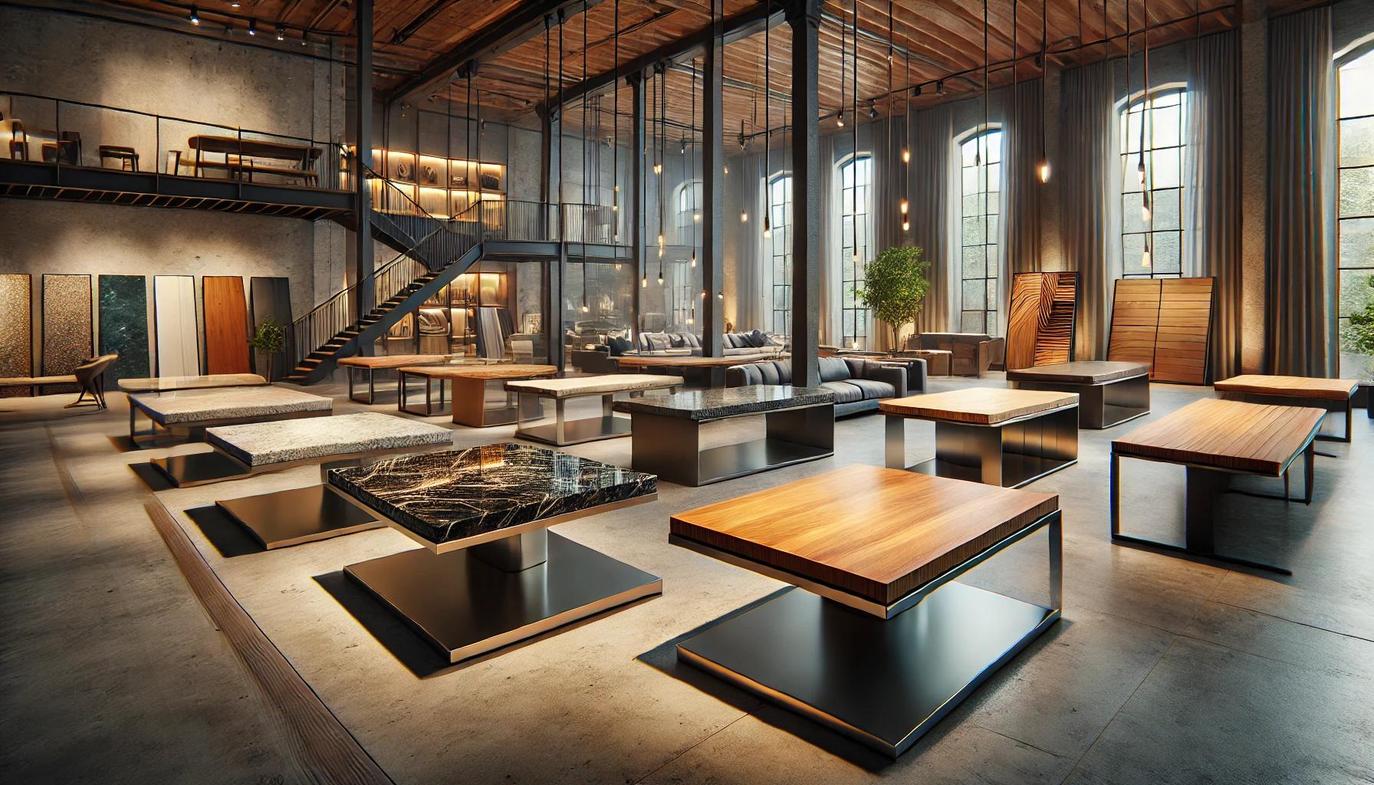
Understanding Commercial Table Materials: Durability Meets Design
The right material for your commercial tables balances aesthetics with longevity, making it a critical decision. Each option brings its own set of benefits and considerations that will affect the daily operations and overall feel of your establishment.
Granite and Stone Tables: Natural Elegance and Robustness
Granite, marble, and quartz tables bring a sense of natural elegance to any business. These stone options boast amazing natural beauty and offer top-tier durability, making them a wise long-term choice for many commercial spaces.
Pros of Stone Tables
- Exceptional durability and longevity, standing up to heavy use.
- Great resistance to heat and scratches, ideal for dining or busy areas.
- Unique, natural patterns and colors give each table its own charm.
- Easy to clean with proper sealing, keeping them looking fresh.
Cons and Considerations
- High cost, making them a larger upfront investment.
- Heavy weight, often needing professional help for moving and setup.
- Can get stained if not sealed correctly, needing regular care.
- Potential for chipping or cracking if hit with extreme force.
Solid Wood Tables: Timeless Appeal and Versatility
Solid wood tables offer a uniquely classic and warm feel. They come in many types, each with its own special qualities, and can fit into almost any design, from cozy cafes to upscale dining rooms.
Popular Wood Types and Their Properties
- Oak: Renowned for its strength and durability, oak stands up well to daily wear and features an attractive grain.
- Maple: Known for being dense and smooth, maple resists dents. It is often a good pick for places with lots of people.
- Acacia: More businesses are choosing acacia. It is naturally good against moisture and bugs. It also shows off unique grain patterns.
- Walnut: With its deep, rich color and lovely grain, walnut is seen as a premium hardwood option.
Maintenance and Care for Wood Tables
- Regular cleaning and dusting helps keep the surface nice.
- Always use coasters and placemats to guard against spills and heat marks.
- You may need to refinish or reseal them now and then. This keeps them protected and looking their best.
Metal Tables: Industrial Chic and Unmatched Durability
Metal tables are perfect for a modern or industrial look. Materials like stainless steel, cast iron, and aluminum offer incredible strength and can resist harsh conditions, making them a practical choice for high-traffic areas or outdoor settings.
Stainless Steel: Hygiene and Modernity
- Offers excellent resistance to rust and stains, staying clean easily.
- Very simple to clean and sanitize, making it perfect for food service.
- Provides a sleek, modern appearance that fits contemporary styles.
- Can show scratches and fingerprints, which might need more frequent wiping.
Cast Iron and Wrought Iron: Robustness and Classic Style
- Exceptional strength and stability mean these bases won’t wobble.
- Suitable for outdoor use when coated properly, lasting through different weather.
- Heavy and durable, they resist tipping, adding safety to your space.
- Can rust if not kept up; their weight may also call for floor protection.
Laminate and Melamine Tables: Budget-Friendly and Practical
Laminate and melamine tables are a practical choice for many businesses, offering an effective balance of cost and flexibility. These tables are built with a core of particleboard or MDF, topped with a decorative layer, making them good for busy places watching their budget.
Advantages of Laminate and Melamine
- Cost-effective, making them an affordable option for outfitting large spaces.
- Available in a wide range of colors, patterns, and finishes to match any décor.
- Lightweight and easy to move, allowing for flexible room setups.
- Generally resistant to everyday stains and scratches, keeping them looking good.
Limitations and Best Practices
- Less durable than solid wood or stone, so they might not last quite as long.
- Can chip or peel if the edges get damaged, needing careful handling.
- Not the best for extreme heat or lots of moisture, which can harm the surface.
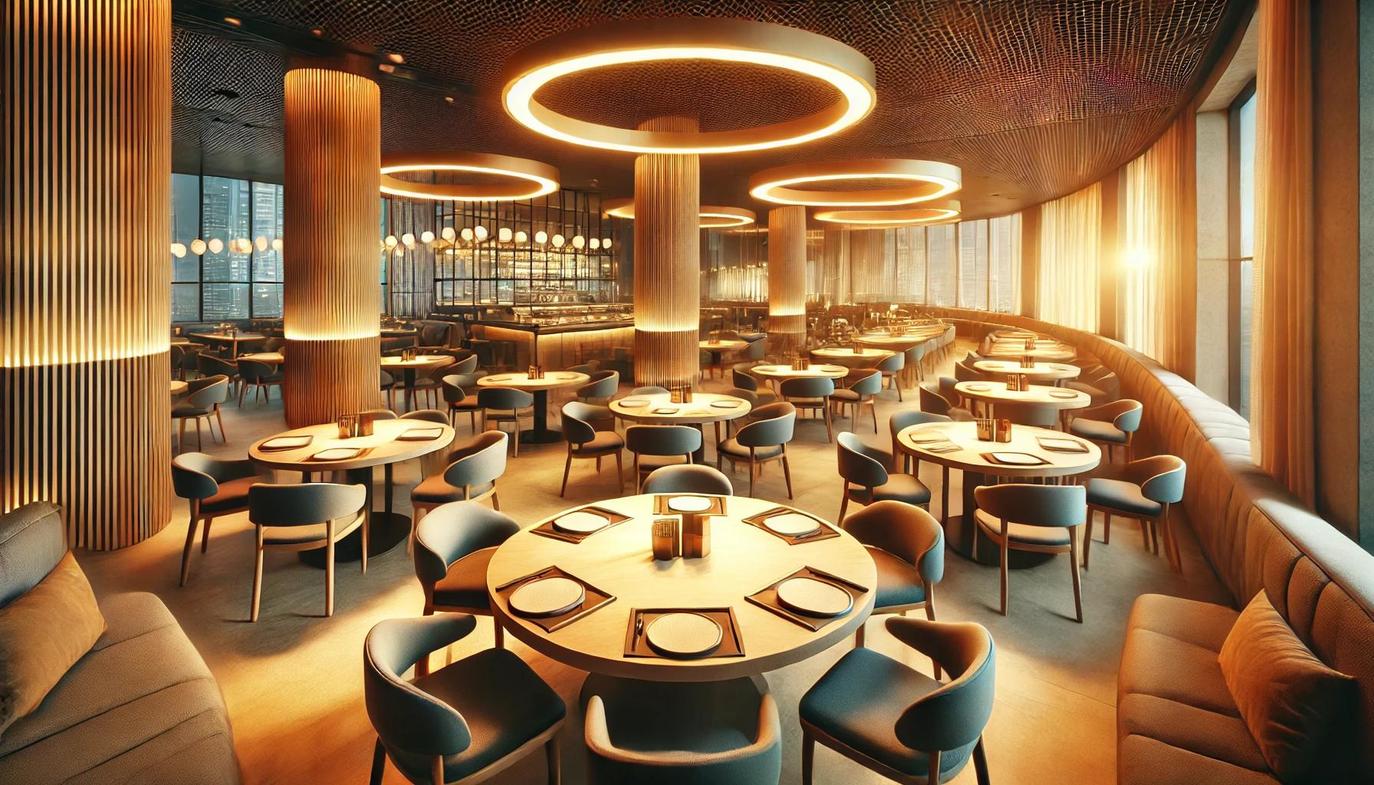
Functionality and Design Considerations for Commercial Tables
Choosing the right commercial table requires thinking beyond aesthetics to consider how it will function in your space every day. Key factors like the table’s fit, seating capacity, and stability are critical. Getting these details right makes a significant difference in your business’s daily operations.
Table Shapes: Optimizing Space and Interaction
The shape of your tables changes how your space feels and how people interact. Different shapes help you get the right vibe, whether you want lively conversations or a more structured setting.
Round Tables: Fostering Conversation
- Help everyone talk easily, as no one feels left out of the chat.
- Maximize seating in smaller spots, fitting more people comfortably.
- No sharp corners makes moving around safer and smoother for guests.
Rectangular and Square Tables: Versatility and Arrangement
- Easy to arrange and join together for bigger parties or events.
- Make efficient use of rectangular rooms, fitting well against walls.
- Can give a slightly more formal feel compared to round tables.
Table Sizes and Seating Capacity
Picking the right table size is key to customer comfort and space flow. Think about how many people usually come into your business. This helps decide on the best dimensions for your commercial tables.
Standard Dimensions and Spacing
- A typical table for two often measures around 24-30 inches square or round.
- Four-person tables are usually 30-36 inches.
- Larger tables can be 48 inches and up.
- It is vital to leave enough room between tables for people to walk comfortably. Aim for 24-30 inches between them for clear paths.
Calculating Needs for Your Business
- Start by measuring your entire space. Then, figure out the best seating plan.
- Think about the average size of groups that visit your establishment.
Table Bases and Pedestals: Stability and Aesthetics
The base of your commercial table is crucial for stability and plays a big role in the table’s overall look. A good base makes sure your table is steady and safe, and it adds to the style of your dining or work area.
Types of Table Bases
- Four-Legged Bases: These are classic and very steady. However, they can sometimes limit legroom for guests.
- Pedestal Bases: They give more legroom and a cleaner look. You can find them with single or double supports.
- Wall-Mounted/Flip-Top Bases: These are great for saving space. They offer flexible seating for changing needs.
Matching Bases to Table Tops and Usage
- Always make sure the table base can easily hold the top’s weight and size.
- Think about the whole style of your business. The base should match that feel.

Defining Durability and Commercial-Grade Standards
The term “commercial grade” is vital to understand when buying tables for your business. It is a big step up from furniture made for homes. Commercial tables must meet tough standards to handle daily heavy use.
What Defines “Commercial Grade”?
Unlike residential furniture, which is not made for such heavy use, purchasing commercial-grade items ensures you are getting significantly stronger and longer-lasting pieces.
Testing and Certification
- Many commercial tables meet specific industry standards that confirm they are built to last.
- They must resist lots of use, spills, and repeated cleanings.
- Certifications, like BIFMA for office furniture, show high quality and safety.
Construction Techniques
- Commercial tables use strong joinery and thicker materials, making them much tougher.
- They often have reinforced frames and more solid base construction to prevent wobbling or breaking.
- These advanced building methods ensure the table stays strong for years.
Maximizing Longevity and Return on Investment
Investing in high-quality, commercial-grade tables yields significant long-term savings. While they might cost more at first, their longer life means fewer replacements, which truly helps your business’s bottom line.
Cost vs. Lifespan
- It is smart to look at the initial cost against how long the table will last.
- Commercial-grade tables, while having a higher upfront cost, can last 2-3 times longer than their residential counterparts. This significantly reduces how often you need to buy new ones and saves on related expenses.
Minimizing Downtime and Maintenance Costs
- Pick materials that do not need much special cleaning or fixing.
- Think about how easy it would be to repair parts or swap them out if needed.
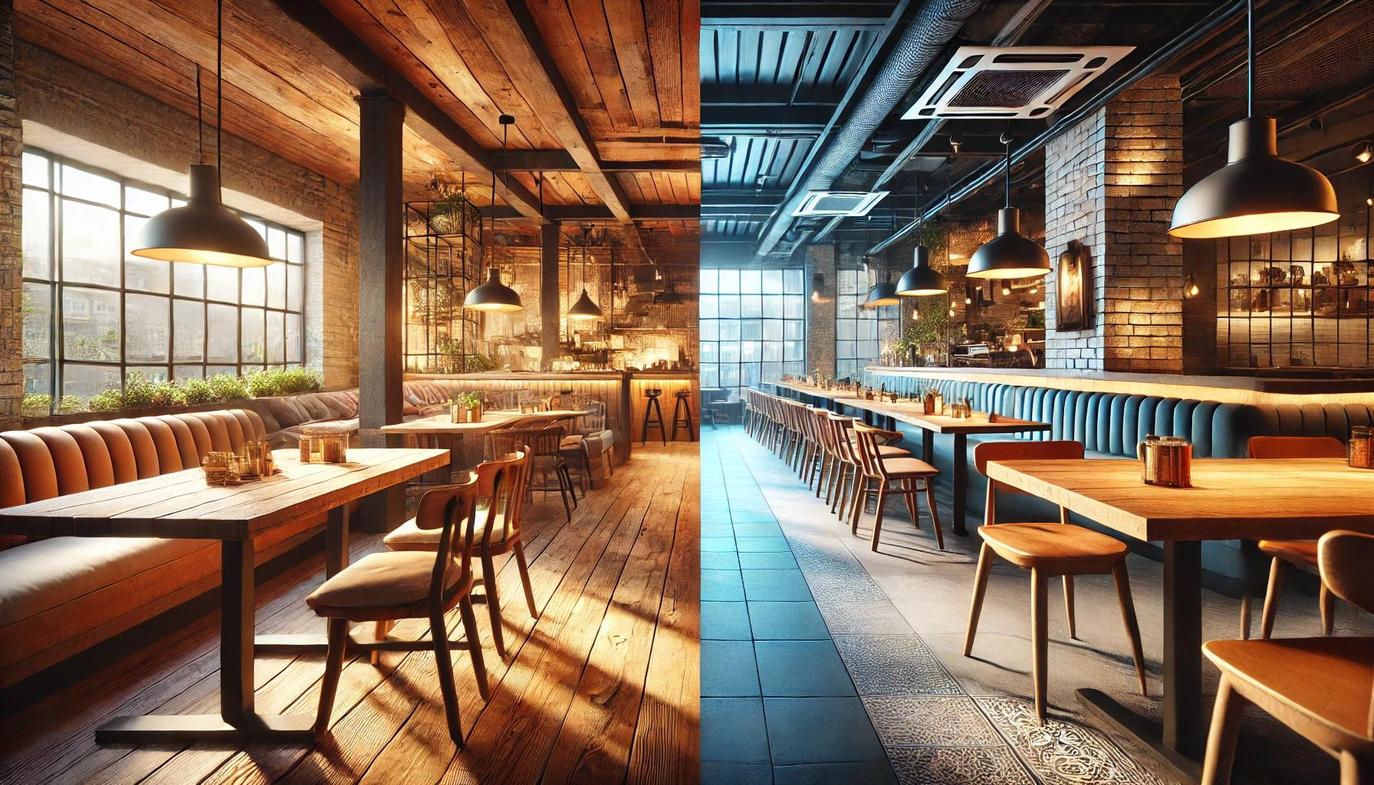
Aligning Table Style with Your Brand Identity
Your commercial tables are a big part of your business’s identity. They should not just be practical; they need to look right too. Selecting tables that match your existing décor and brand helps create a strong, clear message for your customers.
Matching Tables to Your Business Aesthetic
Every business has a unique look and feel, and your tables should fit right in. Whether you aim for sleek and modern or cozy and rustic, there is a table design for you.
Modern and Minimalist
- Look for sleek metal bases with glass or stone tops. Think clean lines and simple shapes.
- A modern café could choose minimalist metal tables with bright white laminate tops.
Rustic and Traditional
- Solid wood tables with natural finishes are great. Cast iron bases add to this sturdy style.
- A farm-to-table eatery might use reclaimed wood tables with strong, dark metal bases.
Industrial and Urban
- Exposed metal, raw wood, or even concrete-look finishes work well here.
- A busy brewery or industrial bar might feature solid wood tops on heavy-duty steel bases.
Customization and Branding Opportunities
Tables can be more than just functional surfaces; they offer great chances to show off your brand. Personalizing your commercial tables helps reinforce your business’s image and creates a memorable experience for your guests.
Custom Finishes and Colors
- You can choose custom stains, paints, or laminates that match your brand’s specific colors.
- This ensures every piece fits perfectly with your overall design scheme.
Incorporating Logos
- Think about laser etching your logo onto tabletops or inlaying it into the wood.
- This subtle branding adds a professional and custom touch to your space.

Budgeting and Purchasing Commercial Tables
Buying commercial tables requires smart planning and a clear budget. Many things affect the price, so knowing these helps you make the best choice to get quality without overspending.
Understanding Pricing Factors
Several key elements determine the final cost of commercial tables. Knowing these helps you compare options wisely and find tables that fit your budget and needs.
Material Costs
- Different materials have very different price tags. Stone and solid wood are often pricier.
- Metal and laminate options usually come with a more budget-friendly cost.
Design Complexity and Features
- Custom designs, unique base styles, or fancy finishes will often cost more.
- Simple, standard designs are typically more affordable.
Brand and Manufacturer
- Well-known brands or makers with a reputation for high quality might charge more.
- Their products often come with better warranties and proven durability.
Where to Buy Commercial Tables
Finding the right place to buy your commercial tables is just as important as choosing them. You want a source that offers good products, fair prices, and reliable service.
Commercial Furniture Suppliers
- These specialized suppliers offer a large selection, expert knowledge of commercial needs, and strong warranties.
- When sourcing commercial furniture, always look for suppliers who specialize in hospitality or contract-grade pieces. They understand the demands of a commercial environment and can offer appropriate warranties and support.
Online Marketplaces vs. Showrooms
- Online stores offer many choices and good prices, but you cannot touch or see the tables in person.
- Showrooms let you see the quality firsthand; however, their selection might be smaller, and prices could be higher.
Tips for Making a Smart Purchase
Making a good purchase means being prepared and asking the right questions. These tips will help you secure the best commercial tables for your business without any surprises.
Requesting Samples and Swatches
- Always ask for material samples. This lets you see the true color and feel the texture.
- Check them in your actual space to ensure they match your lighting and décor.
Checking Warranties and Return Policies
- Fully understand the manufacturer’s warranty. Know what it covers and for how long.
- Also, be clear on the return policy in case the tables don’t meet your needs.
Considering Delivery and Assembly
- Confirm all delivery costs beforehand. Heavy items can have high shipping fees.
- Ask if assembly services are included in the price or if they are an extra charge.
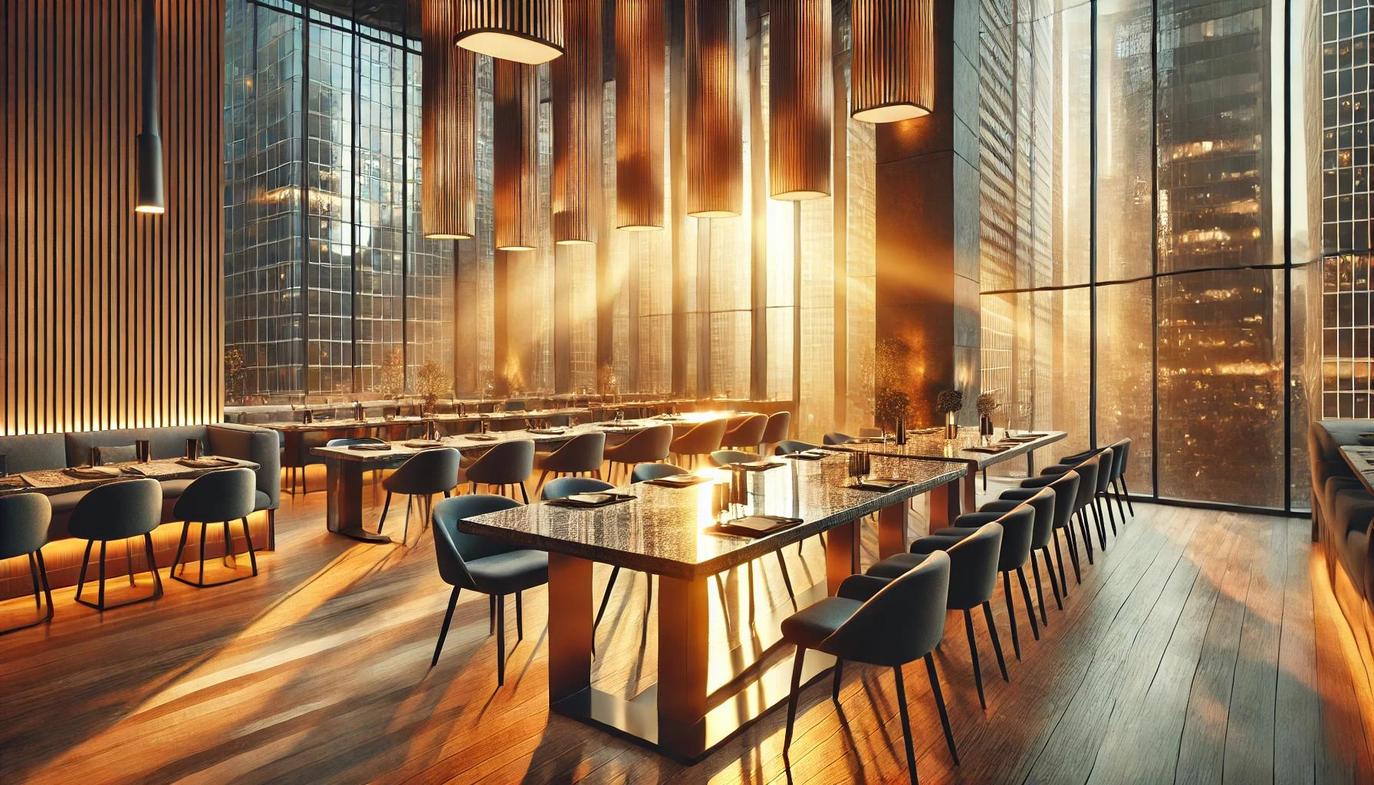
A Strategic Investment in Your Business’s Future
Choosing the right commercial tables requires a careful balance of durability, style, and functionality. From understanding the strengths of materials like solid wood and granite to appreciating the practicality of laminate, this guide has covered the critical factors for making an informed decision. Aligning your selections with your brand identity and budget ensures a cohesive and welcoming environment for both customers and employees.
Investing in high-quality, commercial-grade tables is a powerful step towards long-term success. A thoughtful selection boosts customer satisfaction, enhances operational efficiency, and strengthens your brand’s image. Prioritizing quality and smart design helps you build an inviting and productive space that will serve your business well for years to come.
Frequently Asked Questions About Commercial Tables
What is the most durable material for a commercial table?
The most durable materials are typically granite, quartz, and solid hardwoods like oak. For industrial settings, stainless steel and cast iron offer exceptional strength and longevity. The best choice depends on your specific business needs and the level of daily use.
How much space should I leave between tables in a restaurant?
For comfortable movement and accessibility, it is recommended to leave at least 24 to 30 inches between tables. This ensures that both guests and staff can navigate the space easily and safely, even during busy periods.
Are laminate tables a good choice for a high-traffic business?
Laminate tables are a practical and budget-friendly option for high-traffic areas. They are resistant to stains and scratches and come in a wide variety of styles. However, they are less durable than solid wood or stone and may need to be replaced sooner.

