
The relationship between food and dentistry is significant. Food choices can influence sedation effectiveness, recovery speed, and oral health. Following a dentist’s instructions regarding food and drink before sedation dentistry is essential. These will be individual for every patient and comply with modern safe sedation training guidelines.
How Sedation and Food Work Together
Sedation primarily aims to minimize discomfort and anxiety during dental procedures. Various forms of dental sedation exist, each with specific eating guidelines based on the type of medication and procedure duration.
- Nitrous oxide, or laughing gas, typically allows light meals before a procedure, but some may experience nausea.
- Local anesthesia requires only a light meal a few hours prior. Oral sedation may have minimal restrictions, with some advised to avoid food for up to six hours.
- IV sedation has stricter rules, often requiring fasting after midnight or six to eight hours before.
A Balanced Diet Enhances the Effects of Sedation
Recovery is critical for any patient after a session with the sedation dentist. Their selection of foods and beverages can promote healing and lessen any sedation-related adverse effects that may occur. A balanced diet and fluids generally affect sedation dentistry and recovery.
Nutritional Support for Optimal Oral Health During Sedation
General guidelines advise patients accordingly:
- Cool and soft foods. Mouth soreness is typical even after impeccable dental procedures. Patients should take comfort in soft, chilled foods they can chew without discomfort to their gums or teeth. Some healthy comfort foods include starches, milk-based products, cereals, rice, toast, yogurt, applesauce, pudding, and ice cream.
- Skip the spicy and hot foods. After the sedation, patients might want to avoid consuming hot, spicy, or crunchy food for up to three days because it might cause mouth discomfort or other complications.
How Nutrient-Rich Foods Affect the Recovery Process After Dental Sedation
Some nutrients can affect healing after dental sedation. Key nutrients include:
- Protein for tissue repair.
- Vitamin C for collagen production.
- Iron for oxygen transport.
- Zinc for immune support.
- Vitamin D and calcium for dental health.
Recommended Nutrients for Faster Recovery Post-Sedation
- High-fiber foods. Eat sources of fiber in the form of whole wheat bread, pasta, oatmeal, brown rice, and fruits or vegetables, preferably taken with the skin, as this aids digestion and is full of nutrients.
- Fluid intake. Consume more than 64 oz of water or non-sweetened beverages; avoid too much caffeine.
- Protein sources. Prioritize protein sources such as seafood, chicken, turkey, eggs, tofu, and low-fat dairy for post-surgery repair.
- Limit processed foods. Do not consume processed foods low in fiber and protein; use low-sugar, low-salt products if required.
- Avoid alcohol. Alcohol is also a diuretic and may slow down the healing process if the patient takes different painkillers.
- Vitamin C. Patients should take foods rich in Vitamin C, such as oranges, peppers, and berries.
Hydration and Its Role in Recovery After Sedation
Water consumption is crucial during recovery, just as before the treatment. After procedures, patients should hydrate properly, preferably with drinks containing electrolytes. It is recommended to carry a water bottle and drink water frequently throughout the day. They can also use phone alarms or apps to drink the recommended amount of water daily. Follow the instructions from your dentist. Your dentist may recommend swishing with water to keep your mouth clean.
Foods to Avoid After Dental Sedation for Better Healing
Some foods are discouraged after dental sedation to prevent discomfort in the mouth. Thus, foods such as spicy, acidic, and crunchy might not be the best, depending on your procedure. Patients are encouraged to take soft foods that do not require much chewing and swallowing.
Coffee, tea, alcohol, and all other beverages that contain a lot of sugar affect the body and dehydrate it. These beverages have a diuretic effect, increasing urine production. Patients should minimize the intake of such liquids, even though they feel perfectly healthy, especially after the operation. They should avoid sweets and baked products and instead take water or herbal teas.
Nutritional Recommendations for Patients with Different Sedation Needs
Dietary needs may vary depending on the level of sedation. Some patients require nutritional support in the short term and later stages after sedation. Food intake, particularly in the first 24 hours after surgery, includes a protein-caloric balance of at least 60 grams daily. Other patients might require nutritional follow-ups for diet consultations to check their recovery. Patients undergoing deep sedation may require special dietary considerations, while those with mild sedation can maintain a balanced diet with minor adjustments.
Diet Adjustments for Patients Undergoing Deep Sedation
Deep sedation patients should be instructed to fast for some time. If you allow fluids, ensure they are clear, such as clear broth and clear juice without any pulp. This can help patients avoid dehydration. Once the sedative is out of the system, patients can start with smaller portions of low-fiber meals.
Nutritional Tips for Patients with Mild Sedation
Healthcare professionals can optimize their patients’ dental health and recovery by tailoring dietary approaches based on the type of sedation and individual needs.
Patients undergoing deep sedation may experience prolonged recovery. They should focus on gentle, nutrient-dense foods such as:
- Smoothies made with yogurt and fruits.
- Soft-cooked vegetables.
- Pureed soups.
For those undergoing light sedation, maintaining comfort through dietary choices is important. Recommendations include foods that are easy to digest, such as:
- Soft fruits like bananas.
- Soft foods such as applesauce.
- Mashed potatoes or polenta.
- Whole grains like oatmeal.
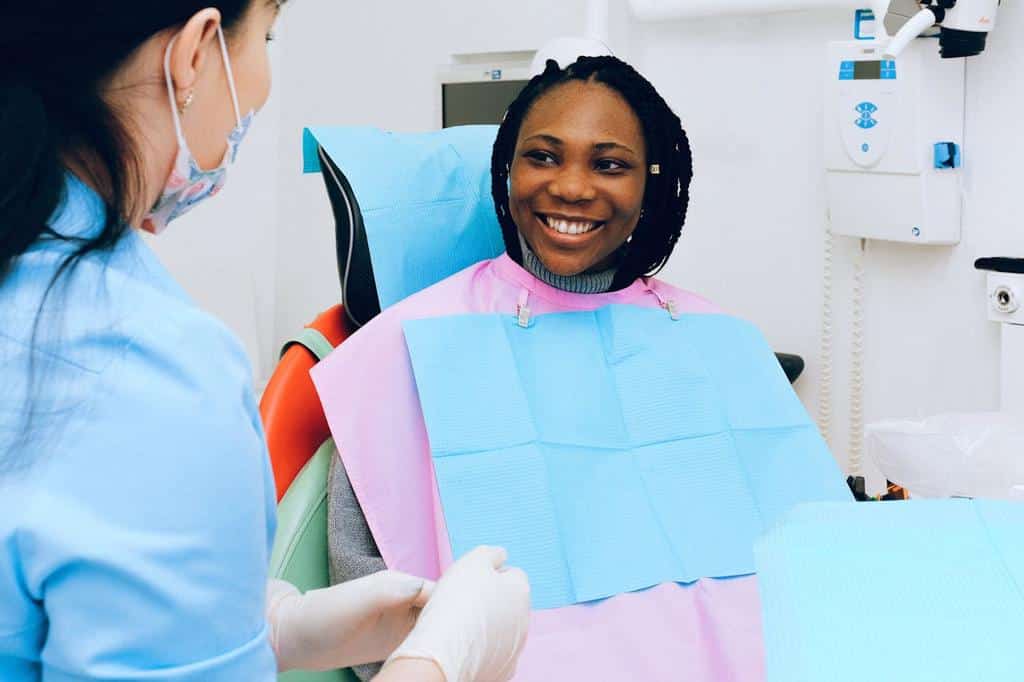
Dental sedation is used to repair many dental problems. Some dental issues may have been long term and may easily have affected a patient’s health and nutrition before the sedation and repair take place. Other dental issues may be short term, but nutrition information will help in healing.
Patients must understand which foods are healthy and support optimal tissue repair and well-being. With the proper care and guidance, sedation dentistry can be an experience where patients feel comfortable and anxiety-free, prioritizing their health and recovery.


