
Several years ago, Dr. David Faigenbaum was diagnosed with a disease that has no cure and he almost died five times. Not giving up hope on life, he decided to focus all his efforts on researching how to cure himself, and others along with him. Based on his laboratory research findings, he tried an experimental treatment on himself as a last resort to saving his own life. He has been in remission ever since.
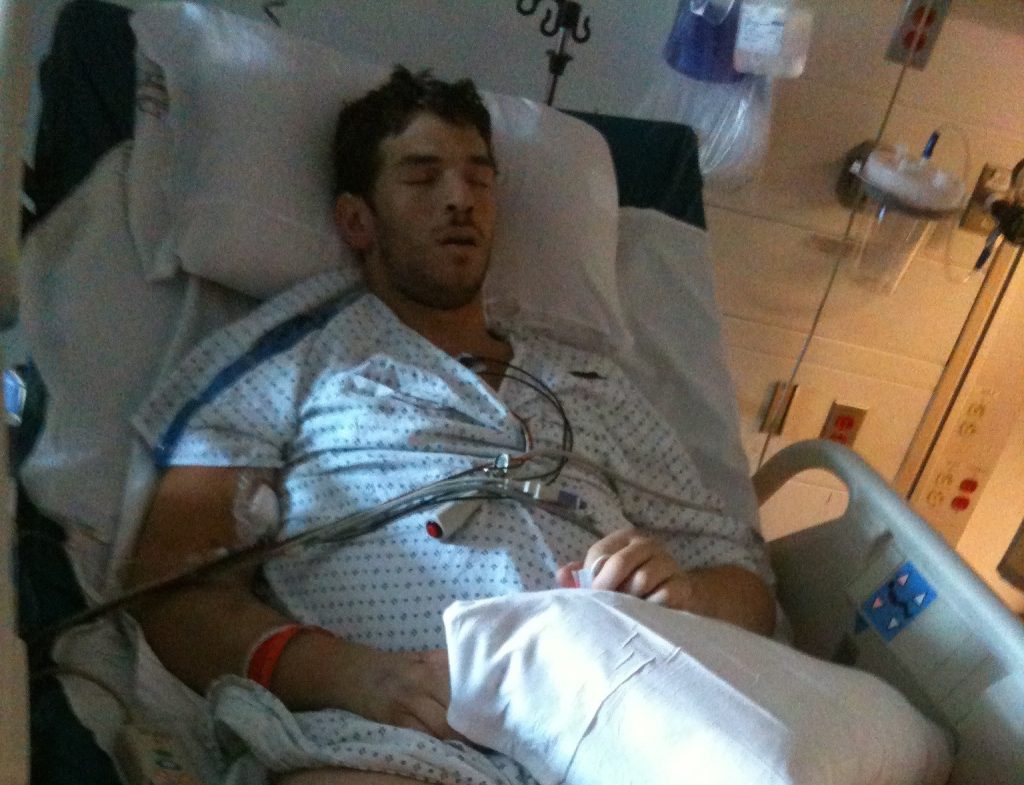
The disease he was diagnosed with is called Castleman disease. It is a rare (affecting only about 5,000 new people a year in America) and sometimes deadly condition with limited options for patients. Although, Castleman disease isn’t actually a single disease but a term describing a group of inflammatory disorders that share a common appearance under the microscope.
Depending on the type a person is diagnosed with, they may experience a range of symptoms – from a single abnormal lymph node with mild flu-like symptoms to abnormal lymph nodes located throughout their entire body, abnormal blood cell counts, and life-threatening failure of multiple organ systems, such as the kidneys, liver, heart, and lungs – with the most severe subtype, idiopathic multicentric Castleman disease (iMCD), having similarities to both autoimmune conditions as well as cancer.
Subtype iMCD is so severe that around 35% of patients diagnosed with it will die within five years. There has been an FDA approved drug on the market since 2014 for it – called siltuximab – but it has only been able to send between one-third and one-half of patients into a remission that generally lasts for years.
Fajgenbaum, who is now an Assistant Professor of Medicine in the division of Translational Medicine & Human Genetics at Penn and executive director of the Castleman Disease Collaborative Network, said: “Patients who don’t respond to siltuximab have limited options. They typically receive chemotherapy but often relapse.”
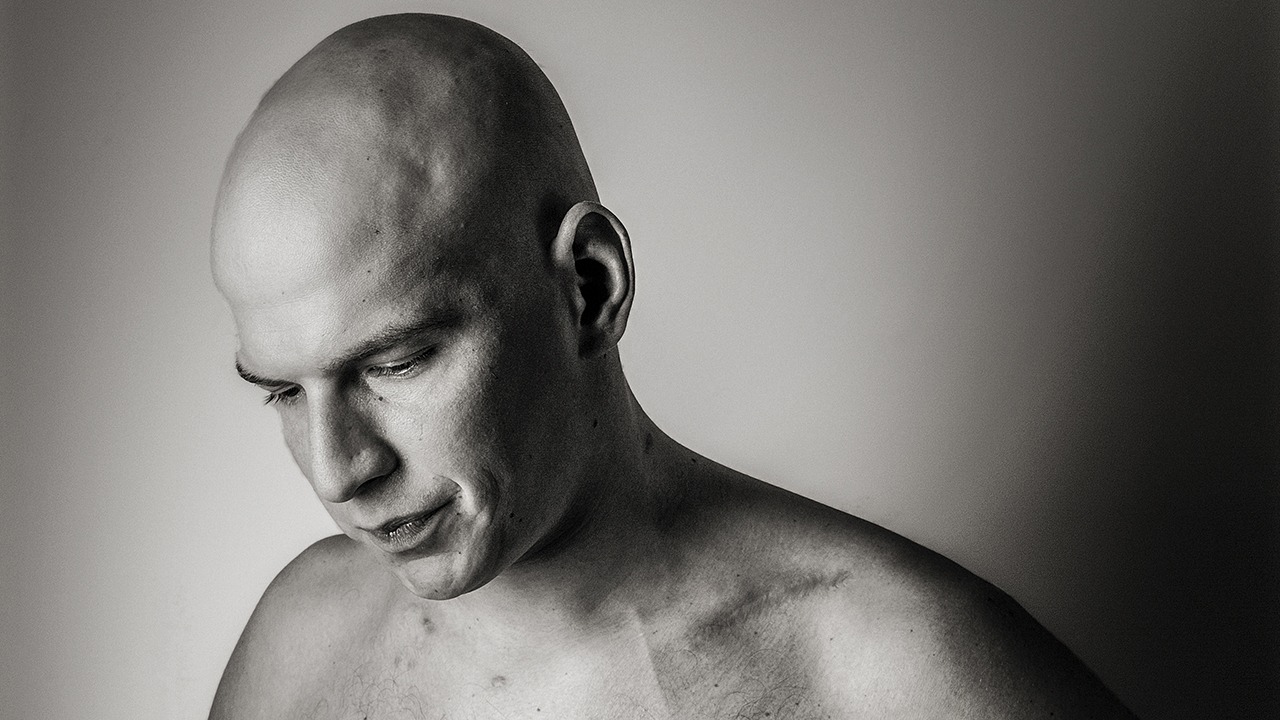
Being one of the patients who didn’t benefit from siltuximab, Fajgenbaum underwent chemotherapy, experiencing terrible side-effects, and yet his sickness rapidly returned after each course of treatment. At the time he was still a medical student at the University of Pennsylvania. That gave him somewhat of an advantage to his condition because he had the opportunity to investigate the molecular basis of his own disease.
His study led him to identify an unusually high mammalian target of rapamycin (mTOR) signaling in samples from his lymph nodes compared to those from healthy people. mTOR acts as a stage in a cell regulation pathway. When it malfunctions, it causes severe problems – instigating a number of serious diseases.
Fajgenbaum found a drug called Sirolimus which is an mTOR inhibitor already approved to prevent rejection of transplanted kidneys. Thinking it just might be his golden ticket, he took it. Lo and behold, his symptoms went into remission. He published his research in the Journal of Clinical Investigation.
He told the Huffington Post in 2017, around the time when he knew his experiment was working:
I realized that if I didn’t dedicate the rest of my life to trying to cure this disease, that no one else was going to do it. I didn’t have many more shots.
Following this success, he gave the treatment to two other patients whose iMCD had also not responded to existing treatments. Both of them have gone for 19 months without the disease coming back.
Now, recent work has shed more light on the possibilities of this mTOR inhibitor. It may also be a lifesaver for the least treatable form of breast cancer. Not only that but since the same cellular pathway can cause different diseases depending on the organ in which it malfunctions, that means the cure can also be applicable to many other diseases. “This highlights the potential for the approximately 1,500 drugs already approved for one condition to also be treatments or cures for the 7,000 diseases with no or insufficient treatment options like ALS and many pediatric cancers,” Fajgenbuam said.
A clinical trial is about to open at the Universities of Pennsylvania and Arkansas. Its doors are open, offering hope to those who have not responded to siltuximab and live close enough to either location to take part.


