
Seaweed is a common ingredient in Asian diets. For example, you can find it in miso soup and sushi rolls. On the other hand, western societies aren’t used to incorporating it into their meals and don’t know how to cook with it. This is a shame because seaweed is a highly sustainable and nutritional superfood. For this reason, multidisciplinary experience designer Wenwen Fan came up with a new way of eating seaweed.
Fan said:
As a multidisciplinary experience designer, I am passionate about designing a cohesive, integrated set of experiences for behavior change. From embedding AR into an immersive Alzheimer’s simulation experience to creating sustainable edible packaging from seaweed, I believe a good experience design should be context-driven, behaviorally informed, and culturally relevant.


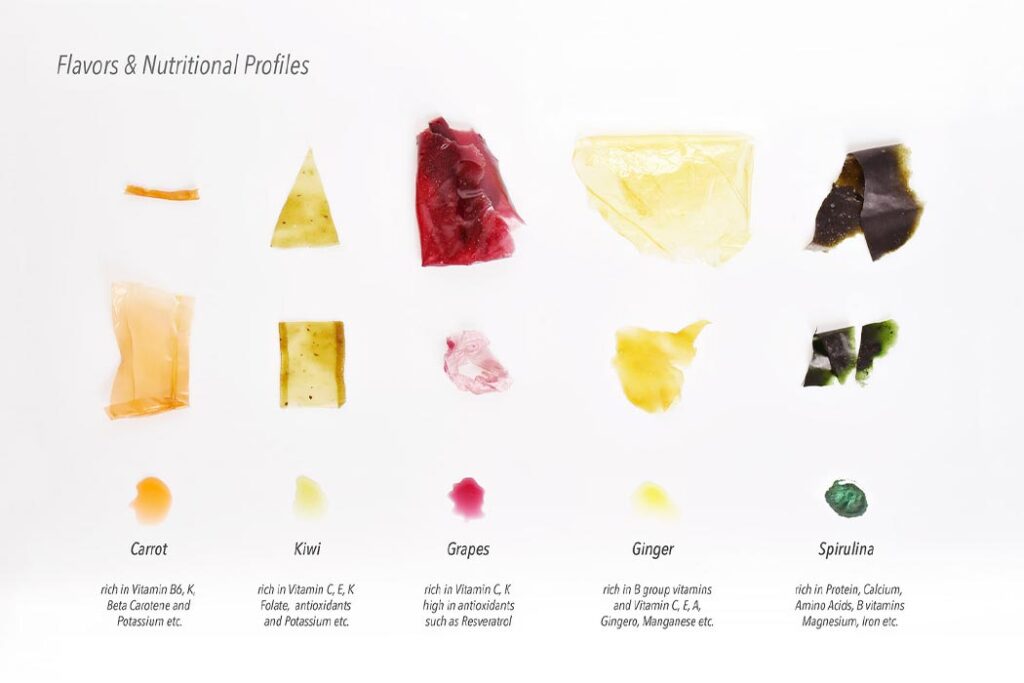
The Royal College of Art graduate developed edible food packaging called ‘Seaweed U.’ The product is a series of colorful wrappers and dissolvable pouches that make seaweed playful, palatable, and easy for everyone to enjoy. Using them provides extra nutritional value (vitamins, minerals, and polysaccharides) to your food that you wouldn’t have gotten otherwise.

Fan hopes Seaweed U can help boost the global market acceptance for seaweed because eating seaweed can help combat climate change. She said:
According to scientists, building a seaweed farming network on just 9% of the world’s ocean could offset carbon emission entirely.
And Seaweed U is vegan. Eating more of a plant-based diet is good for the planet. Animal farming is very unsustainable.

The project also includes an online platform offering customization to suit each individual’s nutritional needs and flavor preferences. So far, there are three scenarios:
- ‘The Lazy Pouch’ – a dissolvable pouch with different types of seaweed inside (like kelp, dulse, wakame, etc.) for people who need to make a meal fast; just throw the pouch in some boiling water and you have soup.
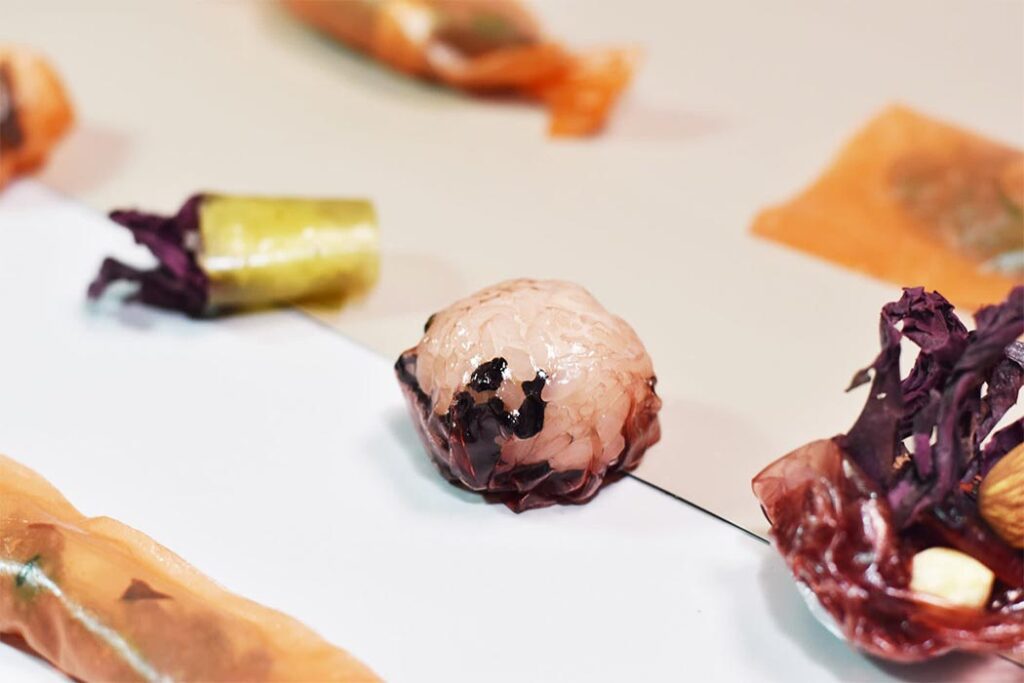
- ‘Trick or Treat’ – a healthy snack consisting of fruit-infused seaweed skin filled with nuts or berries.
- ‘Super Chef’ – A pack of seaweed sheets for a creative DIY food experience where people can fill them or wrap stuff in any way they want.
The low-cal wrappers are made with dehydrated seaweed and vegetable extracts. Some, like the ‘Trick or Treat’ variety, are also made with fruit extracts. They are delicious and approachable, so people can feel comfortable eating the superfood to boost their health and improve our planet’s wellness.


