
Today, energy efficiency is more than just a label. As energy costs continue to surge and sustainability gains more attention, finding effective energy-saving strategies throughout a building project is essential. One practical solution is the installation of insulated access doors. These doors are designed to help regulate temperature, making them valuable for new constructions and upgrades.
Insulated access doors not only minimize thermal bridging but also play a pivotal role in enhancing HVAC efficiency, ultimately leading to reduced energy consumption. By implementing this straightforward yet impactful feature, builders can significantly contribute to the overall sustainability of the project while simultaneously cutting down on operating costs. In this article, we’ll explore how insulated access doors can improve energy efficiency.
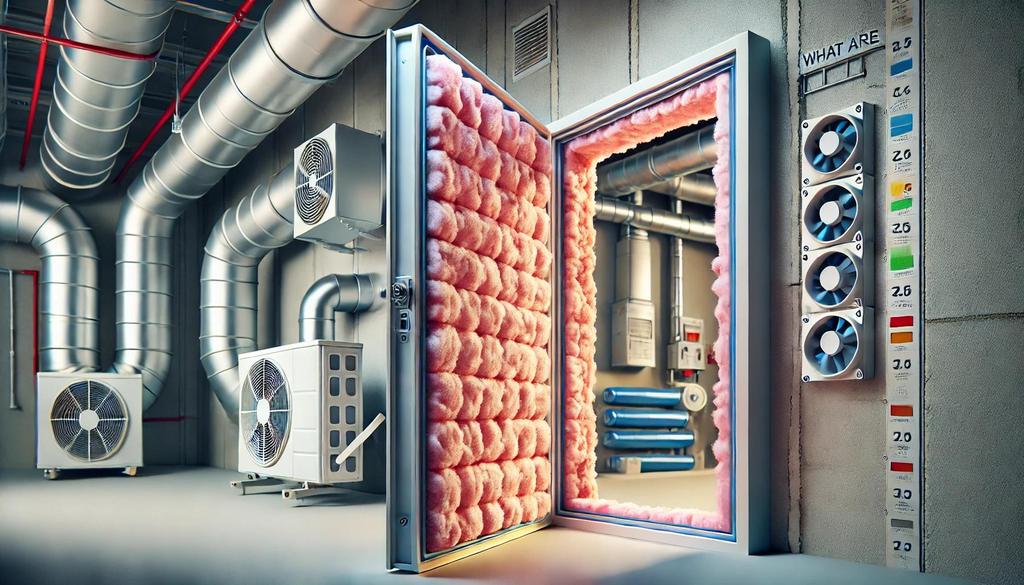
What Are Insulated Access Doors?
Insulated access doors are installed in walls, ceilings, and floors to provide convenient access to areas that must stay enclosed. Unlike standard access doors, insulated versions offer better temperature control through added insulation.
They are ideal for use in various settings, including the following:
Residential Utility Access
In a residential building, an insulated access door makes it easy to reach important systems like heating ducts, water pipes, or gas lines. It lets people handle repairs or inspections without losing the insulation in the area.
Commercial Areas
- Offices: Insulated access doors are often used in mechanical and utility rooms to access HVAC systems and electrical panels. They help maintain energy efficiency by preventing heat or cool air from escaping into office spaces.
- Retail Stores: Retail stores benefit from these doors. They provide easy access to wiring and insulation while minimizing temperature loss, ensuring a comfortable shopping environment.
- Restaurants: In commercial kitchens with high heat levels, insulated access doors provide access to maintenance points. They also help conserve energy by preventing cool air from escaping, contributing to the kitchen’s overall function and comfort.
Industrial Settings
- Factories: Factories use insulated access doors to reach HVAC systems and equipment in mechanical rooms and utility spaces. They stop heat from escaping or cool air from leaking, helping factories save energy.
- Power Plants: Insulated access doors are used to reach electrical panels, ductwork, and insulation around turbines and generators. They help regulate temperatures in these critical areas, preventing overheating.
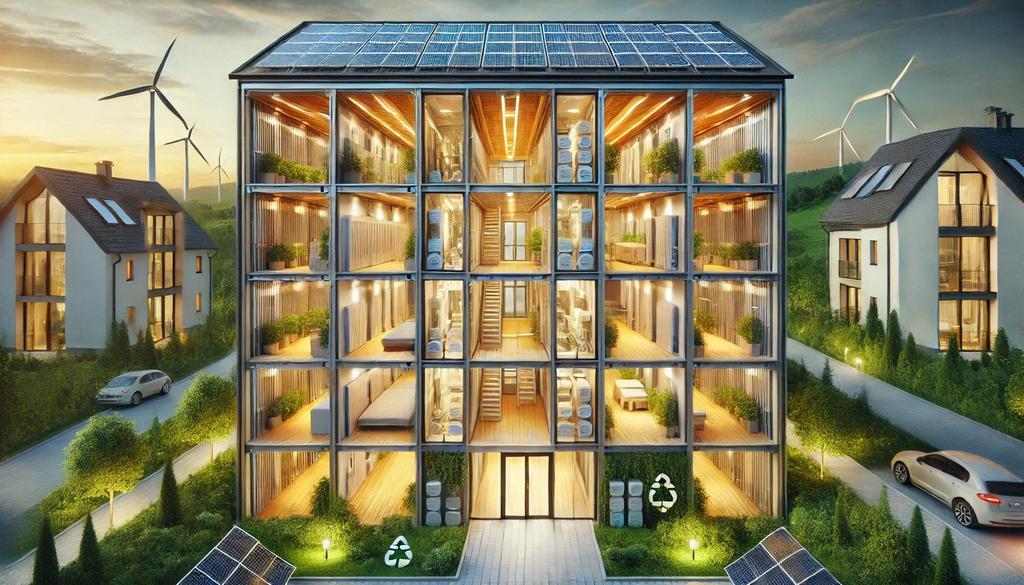
How Insulated Access Doors Contribute to Energy Conservation
Installing insulated access doors is a smart way to reduce energy costs. Heating and cooling make up a major portion of energy used in buildings, and these doors help prevent temperature loss.
Consistent Indoor Temperature
As mentioned, insulated access doors help maintain a consistent temperature inside buildings by preventing hot or cold air from passing through. This design helps trap warmth indoors during colder months and keeps cool air from escaping in warmer weather.
By providing this barrier, they help maintain a comfortable temperature without adding extra strain on heating or cooling systems.
Eased Pressure on Heating and Cooling Systems
Since insulated access doors help maintain stable temperatures, heating and cooling systems operate more efficiently. With less temperature loss to compensate for, these systems don’t have to work as hard, which reduces energy consumption. This efficiency lowers energy bills and extends the lifespan of HVAC systems, minimizing the need for costly repairs or replacements.
Controlled Moisture and Condensation
In areas where the temperature difference between the inside and outside is significant, condensation can form on doors. Over time, this moisture can lead to problems like mold, mildew, and damage to the building’s structure. Insulated access doors help prevent condensation by regulating temperatures, keeping moisture out, and protecting the building and its occupants.
Decreased Carbon Emissions
When energy is saved, fewer fossil fuels are burned to produce it. This lowers the carbon emissions that contribute to global warming. These access doors help reduce the energy a building needs, lowering its environmental impact.
Improved Airflow Throughout the Building
Insulated access doors enhance airflow management in a building. They seal gaps to prevent air leakage, helping maintain consistent temperatures and improving indoor air quality. This leads to a more comfortable and greener environment.
Limited Noise Pollution
Though primarily for temperature control, insulated access doors also help reduce noise transmission between rooms. This not only provides a quieter environment but also helps improve the function of HVAC systems by minimizing unnecessary air movement that could otherwise cause drafts or pressure imbalances.
Energy Efficiency Standards
Many insulated access doors are built to meet specific building standards. They can be installed to ensure compliance with regulations focused on energy conservation. For those involved in new construction or updating existing structures, these doors can help achieve energy-saving objectives without major changes.

Key Considerations Before Installing Insulated Access Doors
Here are some factors to remember before installing insulated access doors:
- Size and Fit: Measure the opening carefully to ensure the insulated access doors fit properly. Accurate dimensions help avoid gaps that can reduce energy efficiency.
- Installation Requirements: Review the door’s installation guidelines and requirements. Ensure that the doors are easy to install and compatible with the existing structure for optimal performance.
- Material Selection: Look for durable materials that can withstand the conditions of the environment where the doors will be installed. Consider options that provide both insulation and durability.
Importance of Insulated Access Doors in Building Projects
Incorporating insulated access doors into building projects is a practical way to improve energy efficiency, reduce costs, and contribute to sustainability efforts. These doors are key in maintaining temperature control and ensuring optimal system performance, helping properties stay safe and comfortable while being green.
By prioritizing the integration of insulated access doors, builders can not only enhance the functionality of their properties but also pave the way for a more sustainable future. Making an informed decision about these doors can lead to significant long-term benefits, both economically and environmentally. As more architects and construction professionals recognize the importance of energy efficiency, the adoption of insulated access doors is likely to become a standard practice. Embracing such solutions will ultimately aid in achieving the dual goals of comfort and sustainability, proving that functionality and environmental responsibility can indeed go hand in hand.

