
In recent years, the United States has positioned itself as a dominant force in the global natural gas market, evolving into the world’s top exporter of liquefied natural gas (LNG). This critical source of energy has underpinned the nation’s economic vigor, supported allies overseas, and presented a formidable counter to geopolitical adversaries. The U.S. stands at a precipice as the Biden-Harris Administration announces a temporary pause on pending LNG export approvals.
It is confronting the environmental repercussions of its thriving natural gas sector and reassessing its future energy trajectory. However, their reasoning for doing so doesn’t become apparent until we explore the tumultuous history of the U.S. natural gas industry. This includes its series of problematic events and the burgeoning endeavors to transition from fossil fuels to renewable energy solutions.

The Emergence of U.S. Natural Gas
The genesis of natural gas in the United States traces back over a century, initially casting a modest shadow in the broader tableau of the American energy scene. However, the advent of innovative extraction techniques, most notably hydraulic fracturing and horizontal drilling, has catalyzed a profound metamorphosis. These technological leaps enabled the exploitation of vast shale gas deposits, propelling the U.S. into an era of energy abundance.
The turn of the 21st century marked the boom of the shale revolution, underpinning the domestic surge in natural gas production. Lured by the promise of energy security and economic prosperity, the U.S. exponentially expanded its natural gas infrastructure, laying the foundations for both internal consumption and external exportation—particularly in the form of LNG. As international demand burgeoned, so too did America’s role as a pivotal supplier, reshaping global energy dynamics and affirming its influence across the Atlantic and Pacific theaters.
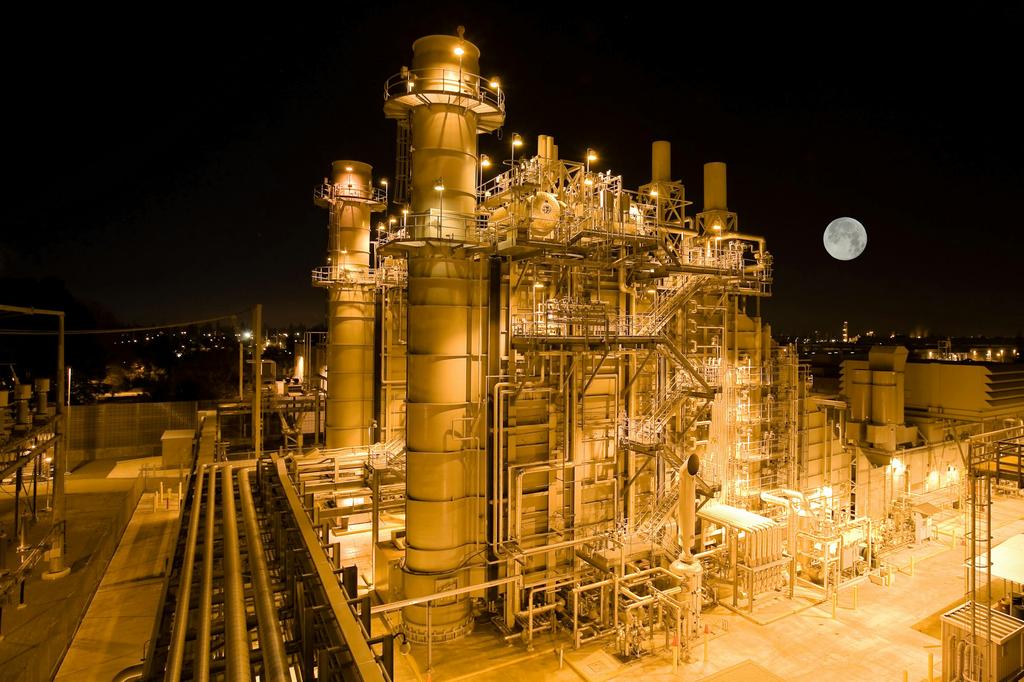
A Long History of Natural Gas Hazards
Despite the economic allure, the prolific rise of the U.S. as a natural gas powerhouse has not unfurled without significant contention, especially concerning safety and environmental stewardship. Records paint a disquieting picture of catastrophic events stemming from natural gas pipeline accidents—a compendium of explosions, leaks, and failures that have severed lives, ravaged ecosystems, and incurred substantial financial tolls. The Wikipedia compendium of these incidents starkly illustrates the perilous aspects interwoven within the industry’s fabric—from the early days of the Slater Street explosion in Ottawa to the more recent calamities, each incident indelibly etches the vulnerabilities of a sprawling and aging pipeline infrastructure.
Each disaster serves as a stark reminder of the precariousness that accompanies natural gas transportation. In addition to immediate threats to human safety, such events spotlight the longer-term challenge facing the natural gas paradigm—its significant environmental footprint. Methane, the principal component of natural gas, exerts a potent influence on climate change, trapping heat far more efficiently than carbon dioxide. Consequently, even minor leaks during extraction, transmission, or storage can culminate in disproportionate climatic impacts, undermining the purported cleaner image of natural gas compared to other fossil fuels.

Massive LNG Incidents Damage The U.S. Environment Daily
As one examines the historical landscape punctuated with these black marks, it becomes increasingly evident that the industry’s advance has been shadowed persistently by the specter of disaster. The Biden-Harris Administration’s current reassessment of natural gas export projects is a juncture that echoes the collective unease—a tangible manifestation of the heightened attention toward the safety, sustainability, and environmental integrity that the global community demands.
The year 2023 continued to witness significant incidents within the U.S. pipeline infrastructure, stressing the ongoing risks and challenges faced by the industry. On January 4, an incident involving Colonial Pipeline’s Line 3 occurred near Danville, Virginia, leading to a leak of approximately 2,500 gallons of petroleum products, the cause of which was not immediately known.
An even more alarming event took place on March 29 in Midland County, Texas, when a crude oil pipeline controller inadvertently initiated a high-pressure condition by switching receiving tanks at a crude station without first reducing pressure. The resulting valve shutdown caused a filter pot to rupture. Despite the activation of leak-sensing alarms, the pump continued to operate for around two and a half hours through the broken filter, culminating in a massive spill of approximately 402,000 gallons of crude oil.
Incidents like these underscore the inherent dangers of pipeline systems and the necessity for vigilance and robust safety protocols.

The Political Landscape and Environmental Concerns
The landscape of U.S. natural gas exports faces a discernible shift, influenced by a complex interplay of political will, environmental activism, and gravitation towards sustainable practices. In an election-year decision, the Biden administration announced a temporary pause on the consideration of new natural gas export terminals, ceding to a chorus of concern over the climate implications of such expansions. This pivot aligns with a rising environmentalist movement, flagged by COP28’s appeal for a halt to LNG support and fears over LNG’s role in exacerbating global warming.
The backdrop for this decisive moratorium is a political one as much as it is ecological. The White House underscored the dated nature of the economic and environmental analyses underpinning decisions on LNG projects. Cited inadequacies point to the potential uplift in energy costs for American consumers and the latest assessments of greenhouse gas emissions, contrasted against the administration’s pledge to halve climate pollution by 2030. The delay underscores a delicate balancing act: demonstrating environmental stewardship amid currents of national and international obligations and pressures.

The Growing Role of Renewable Energy
This period of pause and introspection brings renewable energy to the fore. The U.S. Department of Energy’s Office of Energy Efficiency and Renewable Energy (EERE) has emerged as a vanguard in the nation’s momentum towards sustainable energy practices. Renewable sources such as sunlight, wind, and geothermal power are no longer future prospects but are increasingly tangible, present-day contributors to the nation’s energy matrix. In 2021, renewable energy accounted for approximately 20% of U.S. electricity production, with solar and wind projected to add more than 60% to utility-scale capacity in the following year.
These robust gains in renewable power underscore a crucial reality: the U.S. is uniquely endowed with a plentiful supply of renewable resources, capable of exceeding its annual electricity demand a hundredfold. Akin to the country’s fertile soils, which drove its early economic prosperity, and expansive frontiers, today’s vast renewable landscapes offer a new frontier. This energy frontier promises independence, resilience, and a mitigated climate impact.

Moving Forward with Renewable Energy
The move towards renewable sources is an advancement not just of technology but of national policy and collective ambition. It’s illuminated by public advocacy for change, job creation in burgeoning industries, and a federal government that views environmental protection and economic growth as a singular, intertwined goal.
Government incentives and funding funnels toward research and development of clean energy technologies. Federal and state tax credits beckon homeowners towards solar panels and wind turbines, while communities previously isolated from the grid find empowerment in scalable, renewable solutions. Geothermal heat pumps can supplement, or even fully replace, natural gas heating and reduce the energy required for cooling needs in both homes and businesses.
As the nation examines its commitment to natural gas amidst a climate in duress, it simultaneously crafts a narrative of energy innovation. The policies of today, like the Administration’s current assessment of LNG projects, are poised to not only diminish the environmental toll of outdated energy systems but also propel the country into a cleaner, more sustainable future—a future where dependency on fossil fuels is a historical footnote rather than a present-day quandary.

LNG Crossroads: Embracing Sustainable Energy Transition
The story of natural gas in the United States is fraught with contradiction—a tale of energy abundance and economic boom shadowed by environmental concern and infrastructural woe. From its early inception to its status as a global export leader, natural gas has indelibly shaped the American energy landscape. Yet, as the nation grapples with the realities of climate change and the need for a sustainable future, we face a pivotal moment of transition.
The Biden-Harris Administration’s recent pause on LNG export approvals reflects a broader, strategic re-evaluation of our energy direction—one that prioritizes long-term ecological balance and planetary health over short-term gains. Amidst a resurgence in renewable energy adoption, spearheaded by the U.S. Department of Energy’s Office of Energy Efficiency and Renewable Energy, the U.S. is embracing the path toward a cleaner, greener future. This shift is poised to redefine American energy, reshaping our environmental legacy and ensuring the resilience of our power grid, economy, and global leadership.

Stewarding Energy Futures: Responsible Move for Future Generations
As stewards of a world that our children will inherit, the way we engage with our environment and address energy needs speaks volumes about the legacy we wish to leave behind. The present-day decisions we make in energy consumption and production are not just about economics or meeting immediate demands; they are acts of intergenerational responsibility. Every American, regardless of political leanings or ideologies, plays a part in shaping a sustainable environment for future generations.
The pause in LNG export approvals is a significant moment, a chance to reflect on the path we are paving toward tomorrow and to ensure that this path leads to a healthier, more sustainable place for our children to thrive. It is not merely a policy decision; it is a collective call to thoughtful action.
As renewable energy technologies become more accessible and cost-efficient, it becomes feasible, and indeed practical, for us to integrate these solutions into our daily lives. Simple actions by individuals and communities can aggregate into substantial change. We can make a difference by exploring and adopting sustainable practices, such as:
- Supporting energy policies that prioritize long-term environmental health.
- Encouraging local and state governments to invest in renewable infrastructure.
- Embracing energy efficiency in our homes and workplaces through smart appliances and systems.
- Considering renewable energy options such as solar or wind power installations for residential or community use.
- Sharing knowledge and engaging in educational efforts to expand awareness about sustainable energy choices.
Collectively, these actions can drive the U.S. toward an energy portfolio that not only ensures a resilient and independent energy future but also demonstrates our commitment to environmental caretaking. Let us not view the current shift as a mere swing of the pendulum but rather as a conscientious choice to nurture a world where natural beauty, clean air, and sustainable resources are not scarcities but guarantees for our offspring.
While the journey towards a fully renewable energy landscape may be complex and require dedication, the rewards—a stable climate, a vibrant natural world, and a robust, clean economy—will be a proud inheritance for our descendants. Our greatest resource is not beneath our feet but in the shared resolve to build a future that can sustain the dreams of those yet to come.
Let the dialogue continue, the education expand, and the commitment to our children’s world be unwavering. The energy revolution is underway; join the movement toward a sustainable tomorrow.


