
Farming is an ancient profession that has fed the world for thousands of years. But agriculture is changing fast by using new technologies. As a result, farmers and agricultural professionals are starting to use digital tools to grow food more efficiently. Rural farms are now connecting to the internet and using smart devices, while some farms use drones to check on crops. Other farms use artificial intelligence (AI) to predict the best times for planting or harvesting. There are also technologies that help farmers use less water and grow food in a sustainable way.
These new digital farming methods are important for feeding the growing population, especially with challenges like climate change. But, adopting technology on farms also comes with some challenges. This is because farmers may need training and help switching over to new systems. This article explores examples of how rural farms are using digital innovations. Below, we’ll take a closer look at a few key examples exploring the role of technology in rural agriculture, which will demonstrate how you can carefully balance the benefits and challenges.
Implementing Precision Farming Methods In Rural Landscapes
Precision agriculture allows farmers to implement highly targeted interventions tailored to the unique conditions across their land. GPS, satellite imaging, and sensor data enable them to map out variability in soil nutrition, moisture levels, and other factors plot by plot. Equipped with this granular insight, actions like irrigation, fertiliser application, and harvesting can occur with precision.
Rural farms are increasingly adopting these technologies for efficient resource utilisation. However, scaling precision farming requires upfront investment and training. When implemented thoughtfully, data-driven precision unlocks productivity and sustainability across both small and vast rural landscapes.

Looking At The Link Between Mobile Connectivity And Rural Agriculture
One of the significant advancements pushing the boundaries in rural agriculture is the surge in mobile connectivity. In a world where most of our devices are interconnected, rural farms are not left behind. Mobile networks have penetrated even the remotest of farmlands, making real-time data access, machine-to-machine communication, and remote monitoring a reality for many farmers. This isn’t just about checking the weather anymore but about fully integrated systems that optimise every aspect of farming.
A key example of this integration is the way Virgin Media O2 showcases ‘Connected Farm of the Future’. You can find out more at Electronic Specifier, where you can also read a range of electronic engineering news. This initiative underlines the vast potential of combining mobile networks with agricultural practices, opening doors to efficiencies and insights previously thought unattainable.
Examining AI’s Transformative Impact On Rural Agriculture
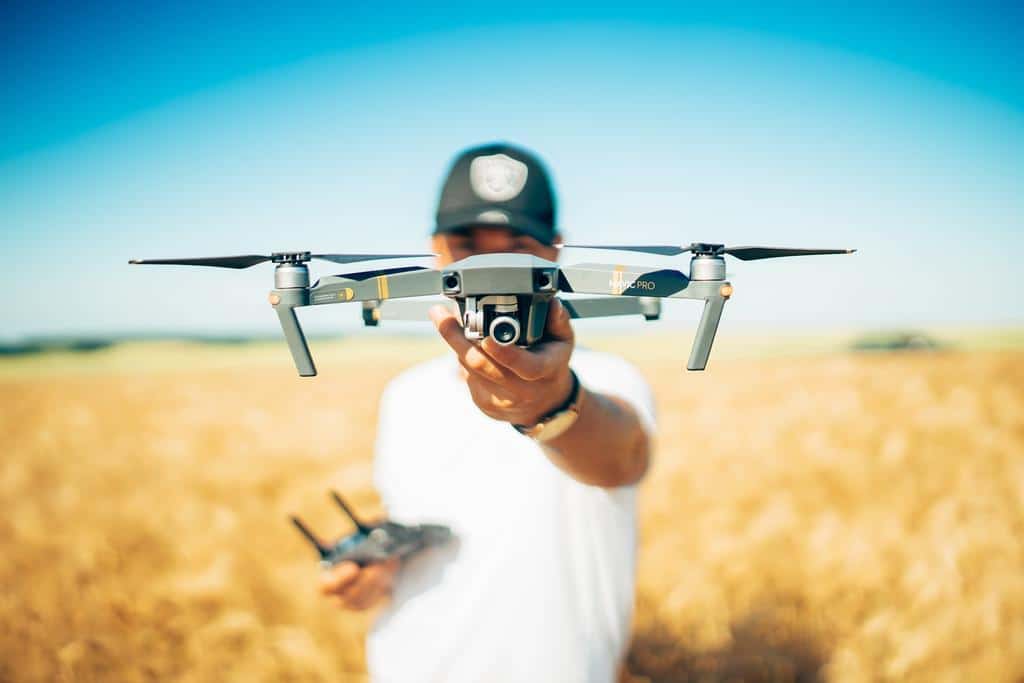
AI and machine learning are bringing game-changing capabilities to agriculture. For example, AI can analyse massive datasets around weather patterns, soil conditions, and crop growth to deliver predictive analytic insights. This enables more informed decisions around irrigation, fertiliser use, and harvesting timing to boost yields. Moreover, AI powers autonomous equipment like tractors, which means that it has the potential to shape the future of farm machinery. Drone technology can also be used for various tasks, providing many benefits to farmers across the country. Ronan Hughes, managing director of Agrii, the UK’s leading agronomy services provider, states:
We believe that drone technology has enormous potential to help farmers increase yields, reduce costs, and improve the sustainability of their operations.
By processing complex variables at scale, AI unlocks unprecedented efficiency, productivity, and waste reduction. Though initial AI integration may be costly, the long-term benefits make adoption across rural farming critical for future food security.
Highlighting Technology-Driven Sustainable Farming Methods
Sustainability is now a top priority for the agricultural sector. Various technologies are now promoting environmentally conscious practices. For example, AI algorithms are used to analyse crop rotations to maintain soil health. In addition, connected sensors enable drip irrigation to conserve water usage.
Solar-powered equipment reduces reliance on fossil fuels. Through data-driven insight and smart automation, rural farms can enhance productivity without compromising ecological stewardship. The sustainable use of technology preserves rural communities and lands for future generations.
Discussing Challenges And Opportunities
While the infusion of technology in agriculture has resulted in promising advancements, it’s not without its challenges. For many rural farmers, the initial cost of adopting modern tools and systems can be daunting. Additionally, the technological shift demands a new skill set, which might not be readily available or accessible to all. However, alongside these challenges, there are tremendous opportunities that farmers and land managers can take advantage of. Steve Cooper, Product Developer of AI platform provider Informed Solutions, explains that:
AI and associated data science can dramatically improve the speed and quality of planning decisions, helping us to protect, harness and responsibly develop land assets in smarter, greener and more economically viable ways.
Digital farming can lead to increased yields, optimised resource usage, and access to new markets and distribution channels. As farmers navigate the digital transition, the immediate and long-term potential rewards are monumental, making the journey worthwhile.

Introducing Digital Employee Training
A farm, in its essence, is also a workplace, and like any modern workspace, continuous learning and upskilling are vital. Recognising the complexities new technologies can introduce, there’s a surge in digital training initiatives, such as tech courses tailored for the agricultural sector. These online training modules equip farmers and agricultural workers with the knowledge to harness the power of innovations effectively. From understanding data analytics to operating drones, these digital courses ensure that the human element of farming is in step with its technological counterpart, bridging gaps and fostering growth.
Conclusion
Undoubtedly, technology will disrupt agriculture’s enduring traditions. But thoughtfully implemented, it also holds profound potential to resolve pressing challenges if farmers receive proper training and support. The future of our food systems requires balancing innovation with agriculture’s roots.

