
Recent data found that 75% of Americans commute to work each day. Only 5% of those Americans use public transport, which means the majority of Americans commute by car. However, it’s important to consider that unconventional modes of transportation create safer, eco-friendly commuting options that can reduce car accidents. As many workers return to the office and cities attempt to keep up with the growing demand for sustainable travel, unconventional transportation modes can help foster a safer commute.
Active Transportation Alternatives
Biking and walking to work and school can have several benefits. Active transportation is surging as commuters desire more beneficial commuting options. However, this increase has been correlated with a rise in fatalities and injuries among bikers and pedestrians.
That’s why many local governments are enhancing safety measures by designing more bike and walk-friendly paths. As cities start to reimagine urban topography, integrating protected bike lanes and pedestrian pathways can continue to make this less conventional commuting method safer and more user-friendly.
Micromobile Commutes
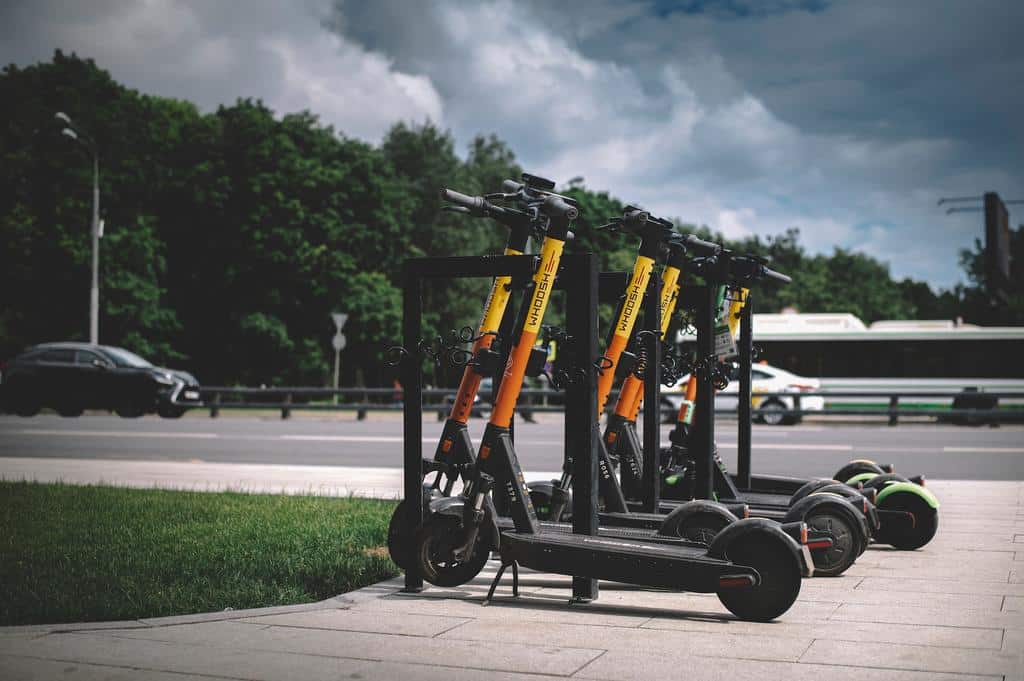
Micromobility is defined by the use of small, low-speed, human- or electric-powered devices. Micromobile devices include human and battery-powered bicycles, scooters, and e-scooters. Even if you don’t desire to own a micromobile device, micro-mobility sharing apps allow you to rent one for an environmentally friendly alternative to short-distance commutes.
Micromobilities growing popularity demonstrates that there is an increasing need for safe unconventional commuting options. These types of devices help reduce carbon emissions and can potentially enhance urban mobility and connectivity for all commuters.
Technological Innovations Make Commutes Safer
Technological innovations like autonomous vehicles and smart infrastructure help to address safety concerns by unlocking new possibilities for safety, efficiency, and sustainability. Autonomous vehicles, advanced sensors, and AI algorithms could potentially reduce accidents by eliminating human error. When cities implore smart infrastructure technology, they can optimize traffic patterns to improve road safety.
Electric Innovation and Environmental Safety
In recent years, there has been an increasing call for environmental sustainability. Many car manufacturers are releasing electric vehicles and cars with alternative fuel sources to reduce greenhouse gas emissions. Doing so can decrease urban pollution levels and make our cities safer for each citizen.
Making Roads Safer For Unconventional Commuters
As cities evolve to accommodate safer active transportation and micro-mobility options, authorities are pursuing infrastructure improvements, new policy initiatives, and community engagement and education programs. Dedicated bike lanes, safe pedestrian crossings, and measures that improve commuter traffic create safer environments for unconventional commuters.

The Future of Commuting
New and exciting developments like maglev trains, flying vehicles, and hyperloops may revolutionize how we all get from one place to another. New technologies will be able to deliver safer options while offering outstanding levels of speed, efficiency, and eco-friendliness.
However, if these new technologies are to be successful at scale, the public will have to get behind them, and the authorities will have to make them a priority. Incorporating new tech into transportation will cause challenges, regulatory hurdles, safety concerns, and financial implications.
Even though there will be obstacles, the potential benefits of adopting unconventional transportation, like reduced traffic accidents and lower emissions, make it well worth it. Enhanced safety and accessibility through innovation, unconventional commuting, and collaboration can reshape how each of us commutes.
Road Safety Through Unconventional Methods
Exploring unconventional modes of transportation can help foster a shift towards safer, more sustainable, and efficient commuting practices. Embracing active transportation, micromobility, and cutting-edge technologies can help commuters reach their destinations without the safety worries of the past. As commuters and businesses find new inventive ways to prioritize safety, sustainability, and inclusivity, we can all learn to navigate the challenges of the daily commute with a new urban cityscape.

