
Winters in Atlanta are usually mild, but even a short freeze can make roads dangerous. Bridges, overpasses, and shaded streets like I-285 and Peachtree Street can develop black ice, causing sudden accidents.
Drivers frequently underestimate Georgia winters, often asking, “How cold does it get in Atlanta?” The answer reveals a critical danger: frequent drops below freezing transform bridges and shaded streets into hazards coated in invisible black ice. Understanding how cold weather in Atlanta causes car accidents is essential for every local driver. Risks like decreased tire pressure and morning fog often go unnoticed until it is too late to react.
Cold weather contributes to car accidents in Atlanta in several specific ways.

The Silent Danger of Black Ice
Black ice is a thin, nearly invisible layer on roads. Drivers often don’t see it until they start to skid or lose control. Even experienced drivers can struggle to regain traction, so slow and cautious driving is key. Reduce your speed and keep extra distance from other vehicles to prevent accidents on black ice.
Tire Pressure Drops and Traction Loss
Cold weather lowers tire pressure, reducing traction and control. Worn or underinflated tires make braking and steering even harder. Drivers often cause avoidable accidents by neglecting tire maintenance or underestimating the severe effects of cold weather. Regularly checking tire pressure and tread depth before cold snaps can significantly improve safety.
Hazards of Freezing Fog and Low Visibility
Cold mornings in Atlanta often produce fog, which cuts sight distance and reaction time. This increases the risk of rear-end collisions and lane-change accidents. To safely navigate these conditions, consider the following visibility tips:
- Use fog lights to cut through the mist effectively.
- Defrost your windshield completely before entering traffic.
- Reduce your speed to account for limited reaction time.
Keeping headlights on low beam in fog ensures better visibility without creating glare for other drivers. Fog lights, a defrosted windshield, and reduced speeds significantly improve safety.
Mechanical Delays and Reduced Vehicle Response
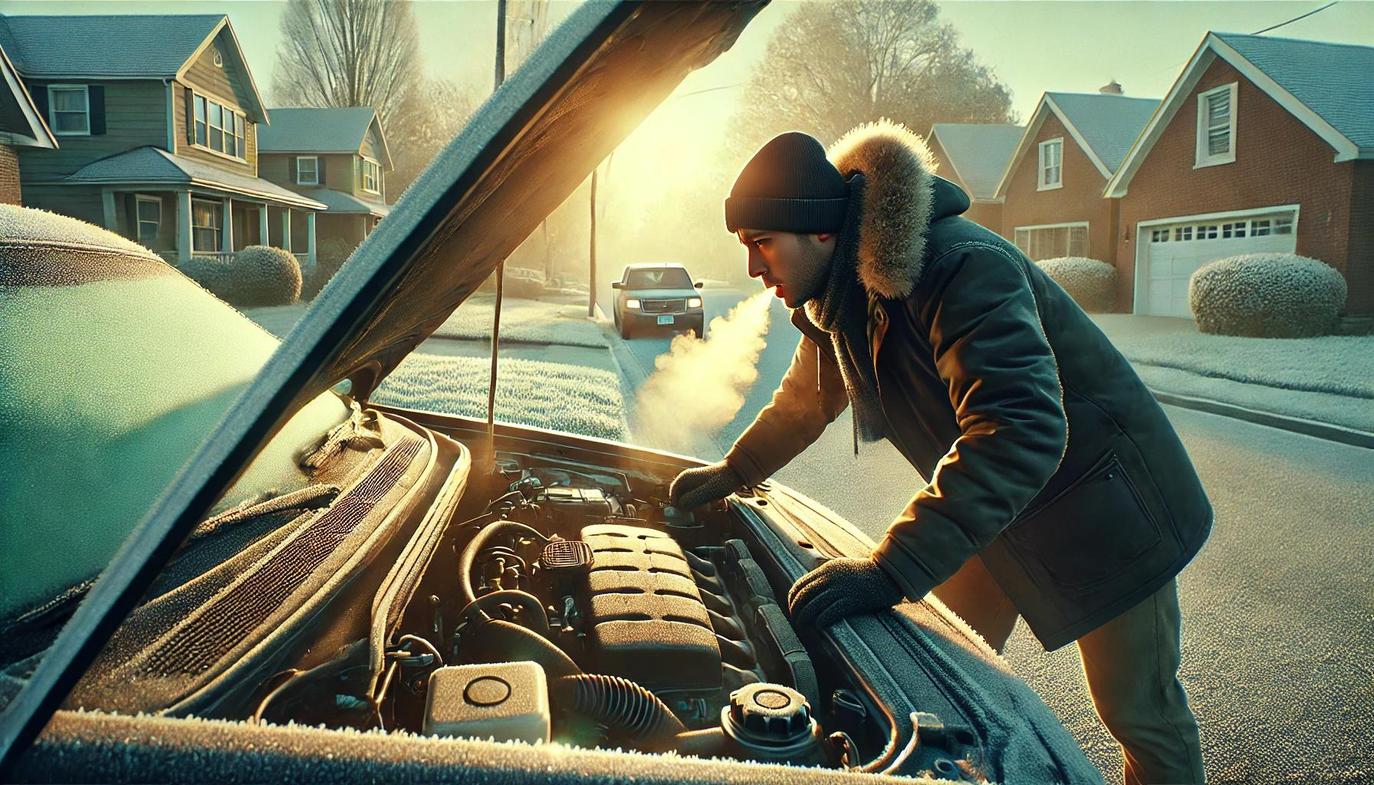
Freezing temperatures affect the mechanical performance of your vehicle in several critical ways:
- Engine fluids thicken, reducing lubrication and responsiveness.
- Brakes stiffen, requiring more effort to stop effectively.
- Battery efficiency drops, potentially affecting electronic safety systems.
These factors collectively slow down braking and steering responses. Warming up your vehicle for a few minutes before driving can improve fluid performance and overall control.
Driver Inexperience and Ice Handling Errors
Many Atlanta drivers are not used to icy roads. Overconfidence or panic during a skid can lead to spinouts, rear-end crashes, or sliding off the road. Practicing gentle braking and steering into skids can help even inexperienced drivers stay in control. A winter driving course or practice in a safe, open area builds confidence and essential skills for icy conditions.
Infrastructure Risks: Potholes and Asphalt Cracks
Cold weather can worsen roads, creating potholes or cracks in asphalt. Hidden under frost or ice, these potholes can damage tires, suspension, and steering, increasing accident risk. Drive slowly on unfamiliar streets and report hazards to minimize collision risks.

The Risks of Unprepared Vehicles
Many Atlanta drivers aren’t prepared for cold weather, often lacking essentials like all-season tires or freeze-resistant windshield wiper fluid. Without this winter-ready equipment, roads become significantly more dangerous, even during mild freezes. Equipping your car for cold snaps prevents serious accidents. Regularly check tire tread, fluid levels, and battery health before winter hits to ensure your car handles icy conditions safely.
Internal Winter Distractions: Defrosting and Heating
Drivers often struggle with adjusting heaters, defrosting windows, or using phones for navigation. These additional tasks make driving significantly more distracting in winter conditions. Even a brief lapse in attention on slick roads can cause crashes. Stay focused and minimize distractions whenever roads are icy or frosty. Plan your route ahead of time and adjust your car settings before you start driving to keep your focus on the road.
The Myth of AWD and 4WD Invincibility
All-wheel drive (AWD) and four-wheel drive (4WD) improve traction but don’t shorten stopping distances on ice. Overconfidence can lead to fast turns or late braking. Unfortunately, these errors often result in severe collisions. Remember to drive cautiously, even with AWD or 4WD. Always leave extra space between vehicles and slow down more than usual in icy or frosty conditions to stay in control.
Staying Safe Despite Atlanta’s Winter Driving Hazards
Navigating Atlanta’s roads during a freeze requires more than just caution; it demands a proactive approach to vehicle safety and road awareness. The unique combination of inexperienced drivers, sudden temperature drops, and inconsistent road maintenance creates a perfect storm for collisions. By acknowledging that Atlanta car accident causes often stem from unpreparedness rather than just the weather itself, you can take control of your safety. Simple steps like checking your tire pressure and increasing your following distance can make the difference between a safe arrival and a roadside emergency.
As winter approaches, remember that your vehicle’s condition is your first line of defense. Don’t wait for the first freeze warning to inspect your tires or replace your wiper blades. Staying vigilant and respecting the impact of cold weather on road conditions ensures that you remain safe, regardless of how unpredictable the forecast becomes. Prioritizing these precautions helps keep Atlanta’s roads safer for everyone, reducing the likelihood of accidents during the colder months. Pay attention, maintain your car, and adjust your driving habits during cold snaps to keep yourself and others safe on the roads.
Frequently Asked Questions About Winter Driving in Atlanta
Do I need winter tires in Georgia?
Generally, no. All-season tires are usually sufficient for Atlanta’s mild winters, provided they have adequate tread depth and are properly inflated.
How does cold weather affect my car’s tires?
For every 10-degree drop in temperature, tire pressure can decrease by 1-2 PSI. This underinflation reduces traction and increases stopping distances.
What should I do if I hit black ice?
Do not slam on the brakes. Lift your foot off the gas and steer gently in the direction you want the front of the car to go until you regain traction.
Why are bridges more dangerous in winter?
Bridges and overpasses freeze faster than regular roads because cold air surrounds them from both above and below, preventing them from retaining ground heat.
Is driving in freezing fog dangerous?
Yes, freezing fog can coat the road in a thin layer of ice and significantly reduce visibility. Use low-beam headlights and reduce your speed immediately.


