
The German Cabinet passed a bill that bumps up the goal of installed offshore wind power capacity to 40 Gigawatts within twenty years. That’s a five-fold increase seeing as currently the country only has 7.5 Gigawatts online.
The move is part of a bigger plan to wean the nation off fossil fuels. Another measure that was improved by the bill was the offshore wind target for 2030 – it rose from 15 Gigawatts to 20. According to Economy Minister Peter Altmaier, this increase was necessary for Germany to achieve its goal of meeting 65% of its gross electricity consumption with renewable energy in ten years.
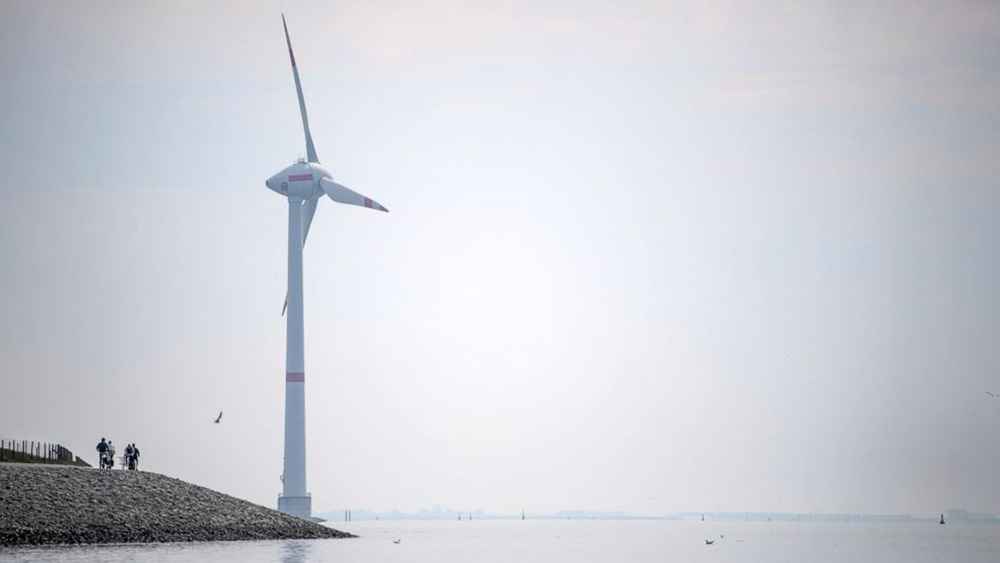
Germany is lagging in the offshore wind sector, seeing as the number of turbines installed on land is already generating a combined capacity of 54 Gigawatts. However, this will have to increase as well if the country is to meet its goal of net-zero emissions to curb climate change as the Paris Agreement requires.
Chancellor Angela Merkel has expressed her commitment to support the goal of making Europe ‘climate neutral’ by 2050 and so will do whatever it takes. Phasing out fossil fuels is at the top of the list. And since renewable energy generated by solar plants and wind farms fluctuates depending on weather conditions, a backup plan is necessary.
That’s why one proposition is to use excess electricity from such facilities to produce hydrogen that can be stored for later use when there is no sun or wind. Hydrogen fuel doesn’t release greenhouse gases and can be used to generate electricity and in transportation.
So far, Germany is doing well with the transition. In the first half of 2019, renewables generated more energy than coal-fired and nuclear power plants combined. Then this year, 52% of electricity came from renewables.
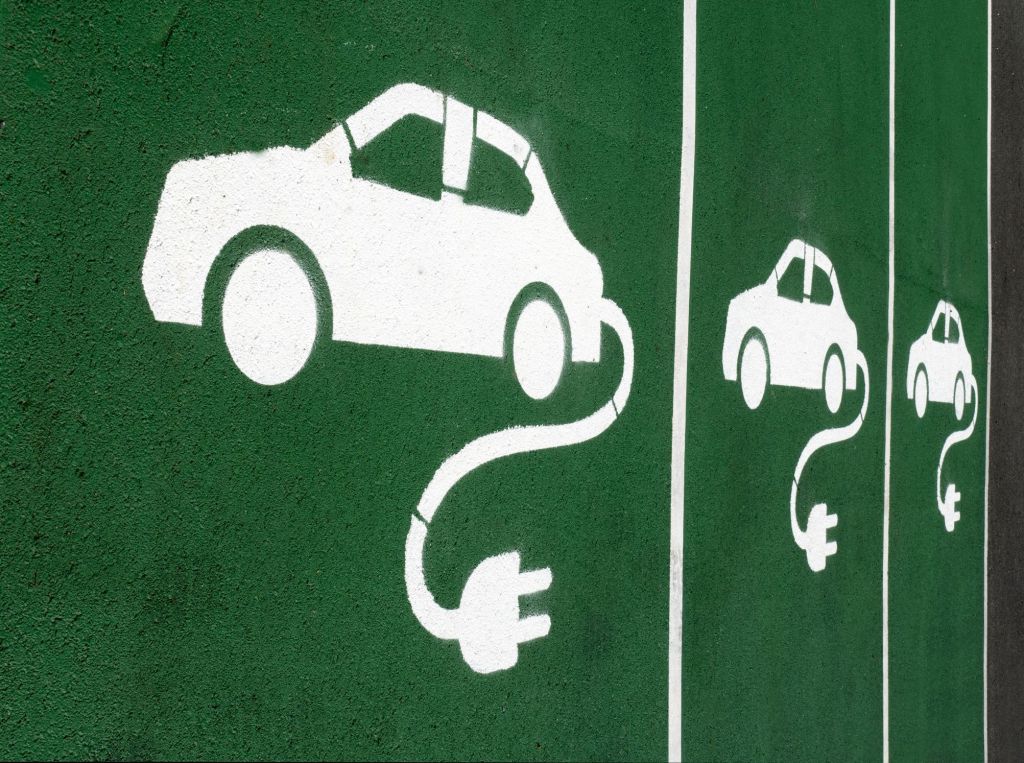
Also, concerning sustainability, the government recently announced that it would oblige all gas stations to provide electric vehicle charging points. The initiative is intended to boost consumer demand for electric vehicles by alleviating refueling anxieties.
Meanwhile, Tesla is building a new facility in Brandenburg called the Berlin Gigafactory. It’s expected to begin producing vehicles in July 2021 and will employ 12,000 people.


