
The science of wisdom is constantly evolving. Today, it’s believed that wisdom’s defined traits are linked to distinct regions of the brain and shaped by the microbiome – the human gut microbiota made up of trillions of microbes (bacteria, viruses, and fungi) that reside within the digestive tract.
Furthermore, greater wisdom is synonymous with increased happiness and life satisfaction; and being less wise results in the opposite, including feeling lonely. Scientists found in multiple studies that persons deemed to be wiser are less susceptible to feeling lonely, while those who find themselves lonelier also tend to be less wise.
In a new study, the University of California San Diego School of Medicine researchers take the bond between wisdom, loneliness, and biology further, reporting that wisdom and loneliness appear to influence and be influenced by the gut’s microbial variety.
Researchers have long known about the “gut-brain axis” – an intricate network that links intestinal function to the brain’s cognitive and emotional centers. This two-way communication is managed by hormones, neural activity, and the immune system. Alterations can disrupt stress response and habits – from higher-order cognitive abilities (like decision-making) to emotional arousal.
Past studies have linked gut microbiota with mental health problems (including depression, anxiety, schizophrenia, and bipolar disorder) and psychological and personality characteristics regarded as essential, biologically based elements of wisdom. There have also been studies linking the microbiome to longevity and diseases like Parkinson’s.
Other research has connected the gut microbiome to social behavior, including findings that people with larger social systems tend to have more diverse gut microbiotas.
The Study
- This new study involved 187 participants aged 28 to 97.
- The participants completed validated self-report-based measures of wisdom, loneliness, compassion, social engagement, and social support.
- The researchers analyzed their gut microbiota through fecal samples.
- The team calculated microbial gut diversity in two ways: alpha-diversity (the ecological richness of microbial species within each individual) and beta-diversity (the differences in the microbial community composition between individuals).
Tanya T. Nguyen, Ph.D., the study first author and an assistant professor of psychiatry at UC San Diego School of Medicine, stated:
We found that lower levels of loneliness and higher levels of wisdom, compassion, social support, and engagement were associated with greater phylogenetic richness and diversity of the gut microbiome.
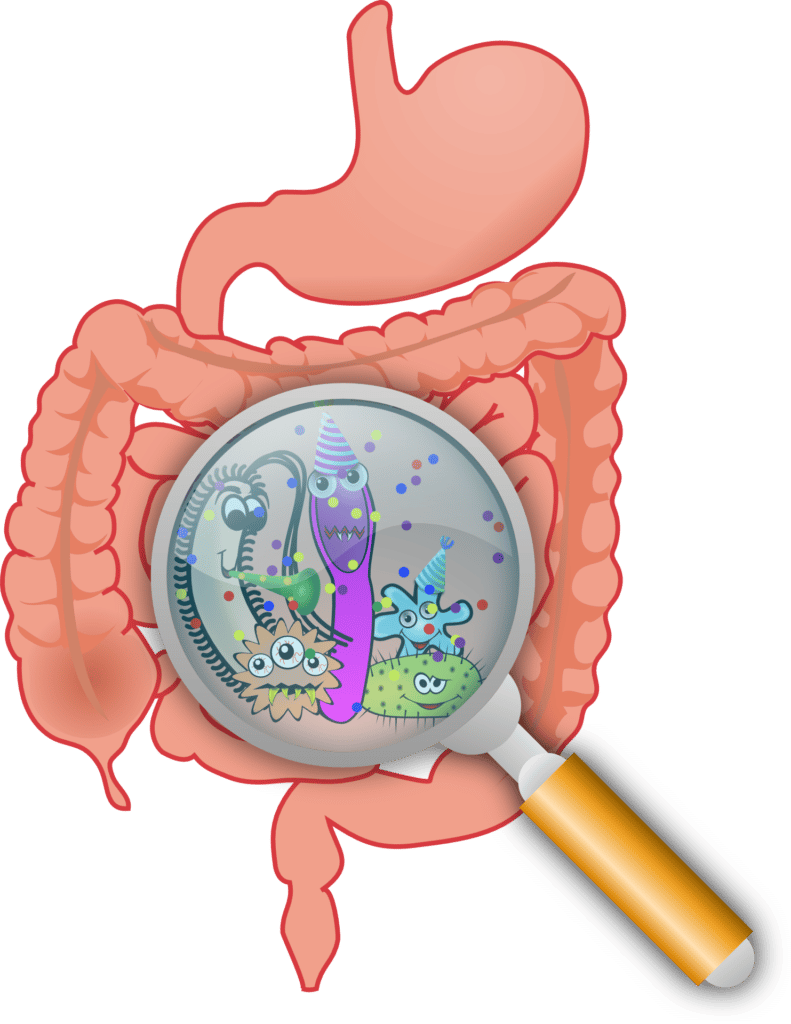
The writers admit that the mechanisms linking loneliness, compassion, and wisdom with gut microbial diversity are unknown. However, they did find that reduced microbial variety typically represents worse physical and mental health, whereas the opposite result in a person less vulnerable to intrusion by outside pathogens.
The authors wrote:
It is possible that loneliness may result in decreased stability of the gut microbiome and, consequently, reduced resistance and resilience to stress-related disruptions, leading to downstream physiological effects, such as systemic inflammation.
Bacterial communities with low alpha-diversity may not manifest overt disease, but they may be less than optimal for preventing disease. Thus, lonely people may be more susceptible to developing different diseases.
The complexity associated with the subject and study limitations, like the lack of data about individuals’ social networks, level of objective isolation and diet, and reports of loneliness over time, argue for more extensive, more extended studies, wrote the authors.
Dilip V. Jeste, MD, a Distinguished Professor of Psychiatry and Neurosciences at UC San Diego School of Medicine and author that is senior of paper, stated:
Loneliness may lead to changes in the gut microbiome or, reciprocally, alterations of the gut milieu may predispose an individual to become lonely. We need to investigate much more thoroughly to understand the phenomenon of the gut-brain axis better.
The gut-brain axis is a fascinating link between what’s happening in our body and mind. It affects how we feel and, essentially, who we are. And while many things can influence the pathway negatively, there are also things you can do to enhance your microbiome. For example, studies have found that exercise and drinking red wine and green tea have a beneficial effect on gut bacteria composition.


