
Electrical systems are fundamental to any modern home, powering everything from essential appliances to entertainment and communication devices. Over time, however, the demands placed on these systems grow as households incorporate more technology and devices that consume greater amounts of electricity. An outdated or insufficient electrical system can lead to frequent issues that disrupt daily life and may even pose safety hazards.
Recognizing the warning signs early on can help prevent costly repairs or dangerous situations. This guide explores the most common indicators that signal it might be time to consider upgrading your home’s electrical system to ensure safety, efficiency, and convenience for your household.
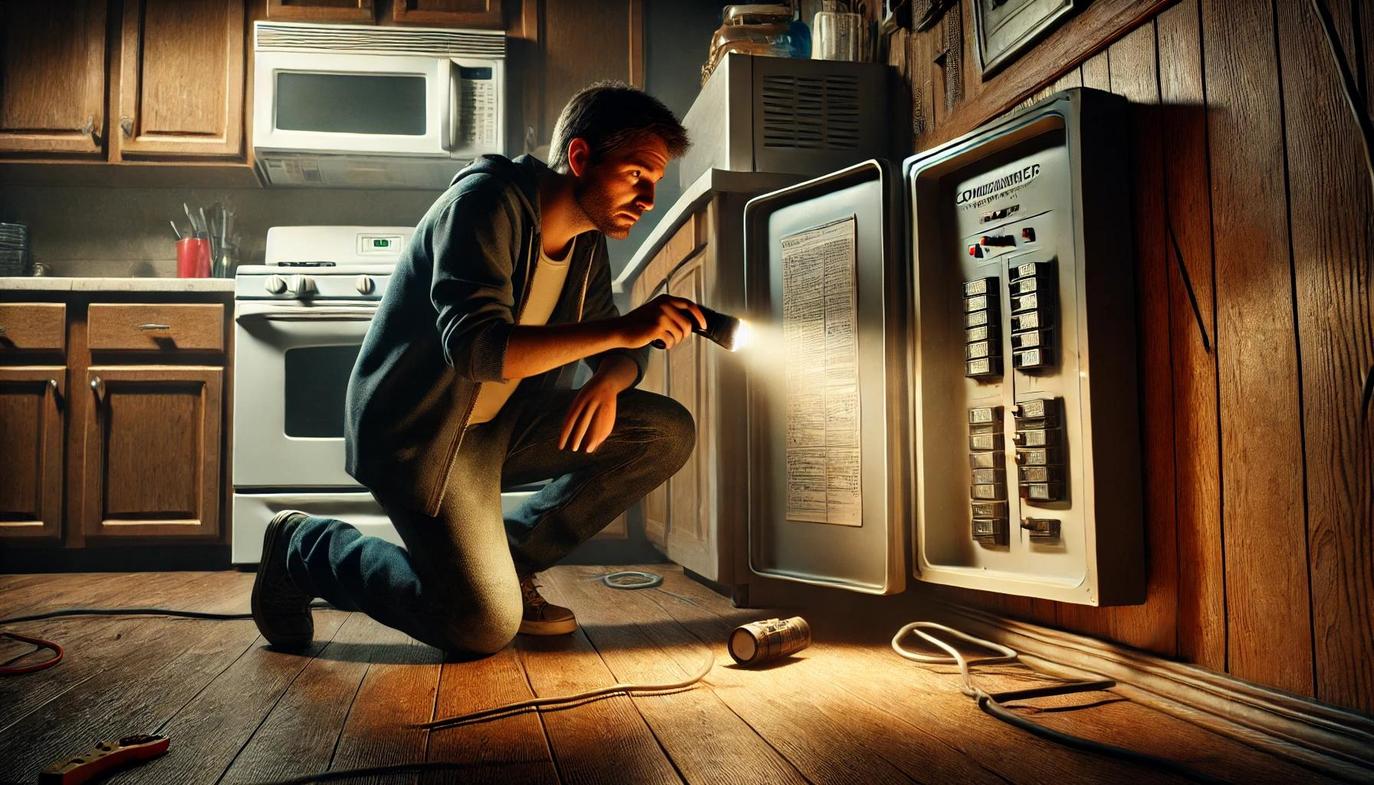
Key Signs Your Electrical System Needs an Update
Why Do My Circuit Breakers Keep Tripping?
One of the clearest signs that your home’s electrical system is struggling is the frequent tripping of circuit breakers or blown fuses. These safety components protect your home from electrical overloads by cutting off power the moment the system detects too much current.
If your breakers trip often when you use multiple devices or appliances simultaneously, it means the electrical system cannot handle the current demand. This can occur if the electrical panel is outdated or if the home’s wiring is insufficient for today’s power requirements.
Continual breaker trips not only cause inconvenience but can also indicate potentially dangerous situations, such as overheated wiring or fire risks. Seeking reliable electrical solutions in Vancouver, WA, can help you to find professional support. Addressing this issue by upgrading the panel or rewiring ensures your home can safely support modern electrical loads.
Dimming or Flickering Lights When Using Appliances
Dimming or flickering lights that occur when you turn on an appliance are a clear indication that your electrical system is under strain. Dimming lights typically occurs because large appliances, such as refrigerators, air conditioners, or washing machines, draw a significant amount of power when they start up. In older homes, the wiring or electrical panel might not be equipped to handle these sudden surges in electricity.
This can also happen if circuits are overloaded or shared by too many devices. Persistent flickering not only affects comfort but could point to loose wiring connections or other electrical problems that require attention. Upgrading your system can enhance power distribution and improve the stability of your lighting and appliance performance.
Outlets and Switches That Feel Warm or Spark When Used
A less obvious but critical sign that your electrical system needs an upgrade is when outlets or switches feel warm to the touch or produce sparks when in use. These symptoms point to serious electrical faults, including loose connections, overloaded circuits, or damaged wiring—all of which require immediate attention. Warm outlets can overheat and pose a fire hazard, while sparking indicates arcing, which is highly dangerous and should never be ignored.
Often, older homes have wiring that has degraded over time or was not designed to accommodate the number of devices currently plugged in. Upgrading your electrical system can eliminate these hazards by replacing outdated wiring and installing safer components that meet current electrical codes.

Homes Built Before the 1980s Often Require Electrical Updates
A home’s age is one of the most significant factors when determining if its electrical system needs an upgrade. Houses constructed before the 1980s were generally built with electrical panels and wiring designed for far fewer electrical appliances than those in use today. Such homes often have panels rated for 60 amps or less, which is insufficient for modern power demands, where 100 amps or more is commonly needed.
Additionally, the wiring materials and methods used in older constructions may no longer meet current safety standards, thereby increasing the risk of electrical failure or fire. For homeowners living in older houses, upgrading both the panel and wiring is often necessary to support current technology and appliances safely.
Use of Multiple Extension Cords and Power Strips Throughout the Home
Relying heavily on extension cords and power strips can be a sign that your home’s electrical system is inadequate. While these tools offer temporary solutions, frequent use indicates that there are not enough properly installed outlets to accommodate your needs.
Overusing extension cords can lead to overloaded circuits and present tripping hazards or fire risks. It’s important to have an electrical system that can safely handle the number and types of devices in your home without resorting to makeshift setups. An electrical upgrade can include installing additional outlets strategically around the house to reduce dependence on extension cords and provide safer power distribution.
Electrical Shocks When Touching Appliances or Switches
Experiencing mild shocks or tingling sensations when touching appliances, outlets, or switches is a serious red flag. This phenomenon, known as electrical leakage, can occur due to faulty wiring, grounding issues, or damaged electrical components. It not only indicates that your home’s electrical system is compromised but also poses a significant risk of electrical injury.
Homes with older or degraded wiring are particularly prone to these issues. Addressing this problem involves a thorough inspection and upgrade to ensure all circuits are properly grounded and wiring is intact. This not only improves safety but also enhances the overall reliability of your home’s electrical infrastructure.
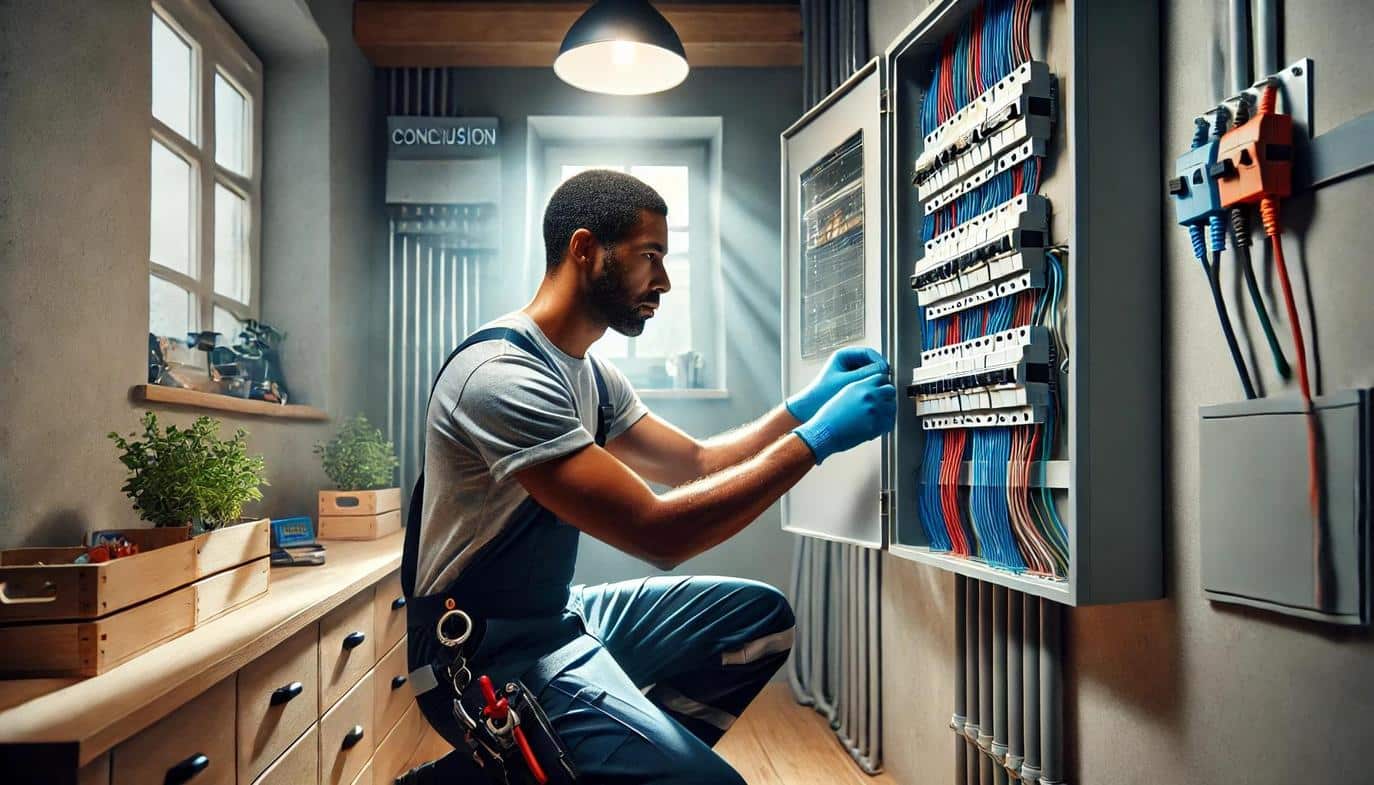
Securing Your Home’s Safety with an Electrical Upgrade
Maintaining a safe and efficient living environment starts with being attentive to the state of your home’s electrical system. Telltale signs such as frequent breaker trips, flickering lights, and warm outlets all point to the need for an upgrade, especially in older homes with outdated panels. By recognizing these indicators early, you can take proactive steps to enhance your electrical system’s capacity and safety. A modern electrical system is not just a convenience—it is a crucial investment in protecting your home and household for years to come.
Frequently Asked Questions About Electrical Upgrades
How often should a home’s electrical system be inspected?
It is recommended to have your electrical system inspected by a qualified electrician every 5-10 years, or immediately if you notice any warning signs like frequent breaker trips or flickering lights. For homes older than 25 years, more frequent inspections are advisable.
Is it expensive to upgrade an electrical system?
The cost of an electrical upgrade varies widely depending on the size of your home, the age of the existing wiring, and the extent of the work required.
While it is a significant investment, it enhances your home’s safety and value, preventing more costly emergency repairs in the future.
Can I upgrade parts of my electrical system myself?
A licensed and insured professional should perform all major electrical work due to the significant safety risks involved, including fire and electrical shock. Electricians are trained to ensure all work complies with current safety codes and standards.
What is the difference between a fuse box and a circuit breaker panel?
Fuse boxes are an older technology that uses single-use fuses that blow to interrupt power during an overload. Modern circuit breaker panels use switches that trip and can be easily reset. Breaker panels are safer, more convenient, and better equipped to handle the electrical demands of modern homes.


