
Downsizing often brings about not just physical adjustments but also emotional challenges. It’s crucial to acknowledge and address the feelings that arise during this significant transition. Leaving a long-term residence can stir up nostalgia and a sense of loss. Recognising these emotions is the first step towards creating a healthy mindset during the downsizing process.
Transitioning to a smaller home represents more than a practical shift in living arrangements; it is a profound life change that can evoke a range of emotions and reflections. Many individuals find themselves grappling with the memories tied to their previous spaces, as well as the uncertainties that accompany a new lifestyle.
In this guide, we will explore effective strategies for managing these emotional hurdles while also providing actionable steps to streamline the downsizing process. By focusing on both the practical and emotional aspects of your move, you will learn how to navigate this significant transition with confidence. Whether you are motivated by a desire for simplicity, financial efficiency, or sustainability, recognising and addressing your feelings will ultimately pave the way for a smoother transition into your new, more manageable home.

Understanding the Emotional Impact of Downsizing
Many individuals experience a mix of excitement for change and anxiety about letting go of familiar spaces and belongings. This duality is normal and should be accepted as part of the journey. Establishing a support system—whether it be friends, family, or professional counsellors—can be incredibly beneficial. They can provide guidance, encouragement, and a listening ear when feelings of overwhelm arise.
During this emotional transition, practicing self-care becomes essential. Engaging in activities that promote mental well-being, such as meditation, journaling, or taking walks, can help ease the stress of downsizing. Incorporating these practices into your routine fosters resilience and clarity as you navigate your new living situation. Ultimately, addressing the emotional aspects of downsizing allows for a smoother transition, paving the way for a relaxed and fulfilling lifestyle in your new home.
By understanding the emotional impact of downsizing, you position yourself to handle the challenges effectively. Recognising feelings, seeking support, and prioritising self-care are vital steps that lead to a more cohesive and positive downsizing experience.
Assessing Your Needs and Priorities
Understanding your needs and priorities before committing to a downsized lifestyle is vital. Take a moment to reflect on what you truly value in your current home environment. Do you need room for guests, or is a peaceful retreat more desirable? Knowing what to prioritise in your new home will streamline the selection process. Creating a list of your favourite items and essential furnishings should help you clarify your preferences.
The next step is to evaluate each item’s significance in your life. For example, does a large sectional sofa serve a purpose, or could a compact loveseat be more fitting? At this stage, it becomes crucial to think practically. Sometimes, personal storage solutions can alleviate the burden of keeping excess items you cannot currently accommodate in your new residence. Consider using self-storage for rent to manage overflow items while you decide whether to keep, donate, or sell them. Simplifying your choices will clarify the downsizing process, allowing you to focus on moving forward.
Decluttering with Purpose
Once you establish priorities, the actual task of decluttering begins. This stage is crucial as it creates a fresh start for your new home. Start with one room at a time to avoid feeling overwhelmed. As you sort through your belongings, ask yourself if each item still holds value in your life. If you haven’t used it in over a year, it might be time to let it go. Categorising your items can also streamline the decluttering process. You might have categories such as keep, donate, sell, and discard. A yard sale is a feasible way to sell unneeded items, while local charities can benefit from your donations.
Remember to be intentional about what you bring into your new space. Each item you choose to keep should serve a purpose or bring joy. Maintaining organisation during this stage contributes to your emotional well-being and ultimately saves time. If you feel uncertain, consider seeking help from professional organisers or friends who can offer unbiased perspectives. They can provide you with support in making difficult decisions while also helping to hold you accountable.
Creating a Functional Space
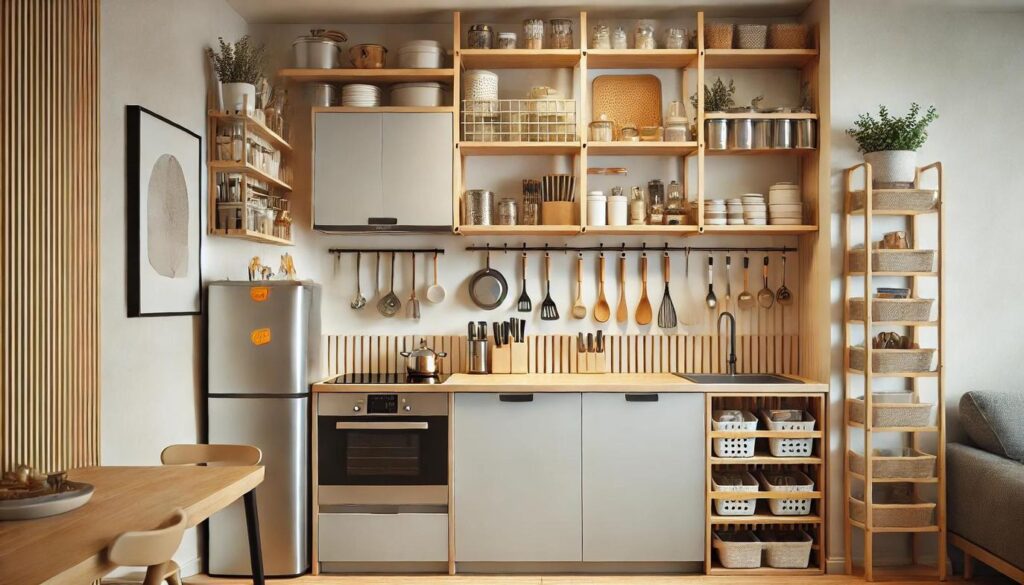
Upon moving, making your new home functional and inviting is essential. The layout of a smaller home requires creative thinking regarding furniture placement and organization. Begin with a thorough assessment of your newfound space, as it can guide you in determining where essential items should reside. To maximise space, think vertically, using shelving units or wall-mounted displays to keep your favourite objects visible without cluttering the floor.
Transitioning to a smaller home can significantly benefit from multi-functional furniture. Consider items like coffee tables with storage space or beds with built-in drawers. These features free up room while still allowing you to retain necessary belongings. Remember that smaller homes can allow for a more prominent personality when carefully curating your display items.
Organising Your Belongings
Practical organisation is pivotal for maximising available space in a smaller home. Don’t underestimate the power of creative storage solutions, such as decorative baskets or stylish bins that blend with your home’s decor. These solutions not only help keep items out of sight but also enhance the aesthetic appeal of your space. Another effective strategy involves using labelled containers or drawer organisers. This technique simplifies finding what you’re looking for and returning it to its place after use.
Dividing spaces into designated areas helps maintain order. For example, you might have a spot for crafting supplies, a corner for reading materials, or dedicated storage for seasonal items. When organising, think about how your activities influence your storage choices. If you enjoy cooking, prioritise easy access to kitchen essentials. Ensuring that your most-used items are easy to reach significantly enhances daily living. Streamlined organisation allows efficiency to flourish in your new home, ultimately fostering a more peaceful atmosphere.
Managing Sentimental Items
Parting with sentimental items can be one of the most challenging aspects of downsizing. These items often carry deep emotional weight, making it difficult to let them go. However, it’s vital to differentiate between genuine sentiment and mere attachment to possessions. Start by closely reviewing sentimental items; take photographs of those cherished objects you cannot keep. This allows you to preserve memories without the physical clutter.
Consider creating a designated memory box for a select few items with significant meaning. Limiting the number of keepsakes encourages making thoughtful choices. Moreover, craft your story of the items you wish to keep by writing a short description explaining their significance. This can make it easier to appreciate the memories without physically holding on to every item. Remember that it’s acceptable to grieve items you choose to part with.

Embracing a Minimalist Mindset
Downsizing provides a unique opportunity to embrace a minimalist way of living. This lifestyle emphasises quality over quantity, teaching us to cherish what genuinely matters. To foster a minimalist mindset, continuously evaluate the meaning of items in your life. Focus on acquiring things that align with your values rather than accumulating unnecessary clutter. As you adjust, consider shopping recipes instead of “stuff.” Being content with fewer items means you can invest in higher-quality goods. This also encourages discovering and supporting local artisans who make sustainable products.
A simple yet elegant living space can reflect who you are and what you cherish. This transition isn’t merely about aesthetics but enhancing your quality of life. A minimalist lifestyle fosters peace and clarity, allowing you to focus on relationships, experiences, and the present moment. By recognising the actual value of your possessions, you free yourself from burdens and distractions, ultimately leading to greater satisfaction.
Creating a Maintenance Routine
After successfully downsizing and organising your home, a maintenance routine is vital for ensuring your clutter does not return. Incorporate regular evaluation periods into your schedule, where you can assess your belongings and eliminate items that are no longer serving you. This could be on a seasonal basis or whatever time frame works best for you.
Simplifying daily tasks can also contribute to a clutter-free environment. Include family members and encourage everyone to adapt to the new approach to living. This creates an atmosphere of collaboration and mutual respect throughout your home. Shared responsibilities hold everyone accountable, ultimately ensuring the consistent upkeep of shared spaces.

Final Steps to a Successful Downsizing Journey
You should reflect on your downsizing progress and your new lifestyle as you finish. Transitioning to a smaller home presents an opportunity for renewal and simplicity. By thoughtfully managing your belongings and understanding your emotional landscape, you have paved the way for a fulfilling life in your new space.
To ensure long-term success after downsizing, revisit your goals regularly. Focus on maintaining your home’s organisation and functionality. Establish routines that reinforce your new lifestyle, making it easier to adapt and thrive in your smaller living environment. Consider implementing seasonal check-ins to evaluate your possessions and make necessary adjustments, ensuring everything aligns with your current needs and values.
Embrace opportunities to engage with your community, fostering connections that enhance your sense of belonging in your new neighborhood. Participate in local events or take up new hobbies that contribute to your well-being and satisfaction.
Finally, consider sharing your downsizing story with others. Your experiences can inspire and serve as a valuable resource for friends or loved ones who may face similar transitions. Describe your journey to reinforce your own reflections and improve others’ experiences.
Successful downsizing is not merely about reducing physical space; it is about creating a balanced, meaningful, and joyful life. By implementing thoughtful practices and nurturing your emotional health, you can fully embrace this new chapter with confidence and clarity, turning your smaller home into a sanctuary that reflects your authentic self.


