
Mangroves, the unique salt-tolerant trees found along tropical and subtropical coastlines, play a vital role in maintaining the health and integrity of coastal ecosystems. Their intricate root systems provide essential habitats for diverse marine life and serve as natural barriers against storms and erosion.
As pressures from urban development, pollution, and climate change escalate, understanding the importance of mangroves becomes increasingly crucial. These ecosystems support many species and significantly contribute to coastal protection and biodiversity. Examining mangroves’ multifaceted roles reveals why conserving and restoring them is essential for coastal communities and ecosystems.
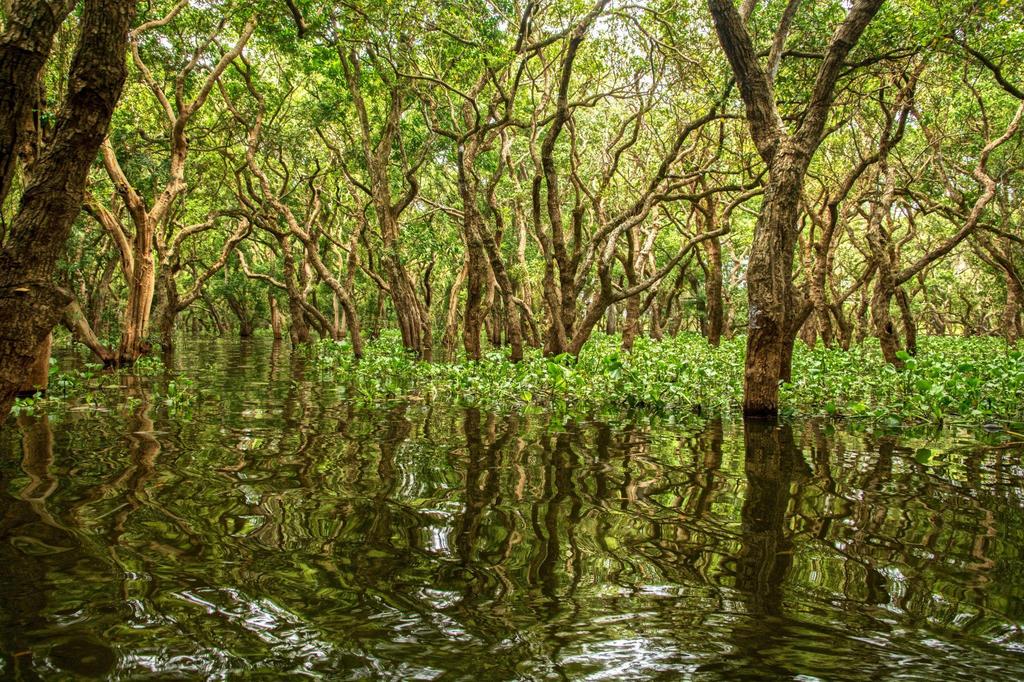
The Ecological Importance of Mangroves
Mangroves serve several key ecological functions that are critical for sustaining coastal environments. First, their complex root systems stabilize shorelines, reducing erosion caused by waves and currents and thus preserving the integrity of coastal habitats. According to the United Nations, mangroves can reduce wave energy by up to 75%, demonstrating their effectiveness in storm surge protection.
Moreover, they are essential nursery grounds for various marine species, including fish, crustaceans, and mollusks. These nursery habitats significantly contribute to the local fishing economy, as many commercially essential species depend on mangrove ecosystems during their early life stages. These trees also sequester carbon dioxide, helping mitigate climate change impacts while filtering pollutants from stormwater runoff. However, researchers indicate that if mangroves are destroyed, the ramifications can be severe. This can lead to biodiversity loss, increased coastal vulnerability, and diminished fisheries.
Mangroves and Biodiversity
The biodiversity within mangrove ecosystems is impressive, housing numerous plant and animal species. They provide habitat to over 1,300 fish species, countless crustaceans, birds, and various reptiles, making them critical for maintaining healthy marine and terrestrial populations. The timbers and leaves of mangrove trees offer food, shelter, and breeding grounds for diverse wildlife, supporting local and global food webs.
Unfortunately, the loss of mangroves directly affects this biodiversity, as many species rely on these habitats for survival. Research shows that areas with thriving mangrove forests can have 50% more fish species than degraded regions. Protecting mangroves contributes to preserving biodiversity and ensuring the survival of countless species intricately linked to them.
The Role of Mangroves in Climate Change Mitigation
Mangroves play an integral role in climate change mitigation due to their ability to sequester significant amounts of carbon dioxide. While covering only about 0.1% of the world’s ocean surface, they sequester carbon up to four times more efficiently than tropical rainforests. Through photosynthesis, these trees capture carbon and store it in their biomass and surrounding soil, which aids in combating climate change.
Protecting and restoring mangrove ecosystems is a cost-effective climate solution, as safeguarding existing mangroves prevents the release of stored carbon into the atmosphere. Additionally, their presence helps mitigate the effects of climate change by providing adaptive habitat for wildlife adjusting to shifting environmental conditions.

Human Activities Threatening Mangroves
Despite their crucial role, mangroves face numerous threats from human activities. Coastal development, such as urbanization, agriculture, and infrastructure expansion, often leads to mangrove deforestation. The demand for land for agriculture or aquaculture frequently results in clearing these vital ecosystems.
Pollution, including oil spills and agricultural runoff, can also severely damage mangroves, leading to declines in their health and ability to provide critical ecosystem services. The continuous degradation of mangroves heightens the risk of coastal erosion, loss of biodiversity, and adverse climate impacts. Taking action to mitigate these threats is essential for ensuring the survival of these ecosystems.
Restoring Mangrove Ecosystems
Restoring mangrove ecosystems is crucial for reversing the damage caused by human activities and maintaining healthy coastal environments. Successful restoration projects involve actively planting mangrove saplings, removing barriers to their growth, and addressing pollution sources. Several countries have made significant strides in mangrove restoration in recent years, with some reporting successful growth and recovery in once-degraded areas.
Engaging local communities in restoration efforts fosters a sense of ownership and long-term sustainability of these projects. Education about the ecological importance of mangroves also encourages community involvement in conservation measures. Collaborative efforts between governments, NGOs, and local populations can create effective restoration strategies that benefit people and the environment.
Mangroves and Coastal Communities
Mangroves directly benefit coastal communities, particularly those that rely on fishing, tourism, and natural resource harvesting. Healthy mangrove forests increase fish stocks, providing food and income for local fishermen who depend on diverse marine species. Additionally, they support ecotourism ventures, offering unique opportunities for wildlife observation and nature-based tourism.
Local economies can thrive through conservation while ensuring ecosystem services support communities. Protecting mangroves also contributes to climate resilience, safeguarding communities against extreme weather events. Therefore, recognizing the economic significance of mangroves is essential for fostering community support for their protection and conservation.

Legal Frameworks and Policy Implementation
To safeguard mangrove ecosystems, governments must establish robust legal frameworks and policies promoting conservation and restoration. Enforcing laws against illegal logging and land conversion is critical. Effective management practices should incorporate community engagement, sustainable resource utilization, and biodiversity protection.
Policymakers must also prioritize funding for conservation initiatives and develop programs that educate stakeholders about the importance of mangroves. The effective implementation of policies can bring about positive change, as evidenced by the recent successes in mangrove regulations worldwide. Cultivating a culture of sustainability within coastal communities is vital for the future of these ecosystems.
Community Engagement and Public Awareness
Raising awareness about the significance of mangroves and engaging community participation is essential for practical conservation efforts. Community-based programs prioritizing local input and knowledge can lead to more successful conservation outcomes. Workshops, seminars, and educational campaigns can inform the public about the importance of mangroves for ecosystem health, climate change mitigation, and coastal protection.
Collaboration with schools, local organizations, and government agencies can amplify the message of conservation. Encouraging community involvement in mangrove restoration projects fosters a sense of pride and ownership while building local stewardship. As more people become informed about the value of mangroves, they are more likely to advocate for their protection.

Global Mangrove Conservation: Collaborative Strategies for a Sustainable Coastal Future
Conservation efforts for mangroves are steadily gaining traction worldwide as countries increasingly acknowledge their vital roles in supporting ecosystems and human well-being. International organizations are actively funding projects focused on the restoration and protection of mangroves across diverse regions, including Southeast Asia and the Caribbean. Initiatives like the Blue Forests Initiative work collaboratively to bolster the resilience and restoration of coastal ecosystems through sustainable practices.
Sharing best practices and lessons learned is crucial for the success of global conservation strategies. Countries that have developed effective mangrove conservation programs often serve as inspiring models for others seeking to implement similar strategies. By aligning global initiatives with local actions, there is a promising outlook for a future in which mangroves can thrive sustainably alongside coastal communities.


