
Humans have caused severe damage to the oceans through extensive overfishing, pollution, and coastal destruction for centuries. Thankfully, the world has become more conscious about the importance of our ocean and is realizing we need to protect it. Oceans and coastal habitats such as salt marshes and mangroves rapidly absorb carbon dioxide and strengthen shorelines against rising sea levels.
A new major scientific review shows how conservation efforts are yielding results, with sea life recovering from all around the world, including elephant seals in the US, turtles in Japan, and humpback whales off Australia.

According to scientists, there is the knowledge and technology to create an ocean recovery for wildlife by 2050. However, there are many measures required to meet the target, including:
- Protecting large strips of the ocean from acidification, loss of oxygen and more
- Protecting coral reefs
- Sustainable pollution and fishing controls
All of which would cost billions of dollars a year, but it would bring benefits ten times higher. “We have a narrow window of opportunity to deliver a healthy ocean to our grandchildren, and we have the knowledge and tools to do so. Failing to embrace this challenge, and in so doing condemning our grandchildren to a broken ocean unable to support good livelihoods, is not an option,” said Prof Carlos Duarte, who led the review.
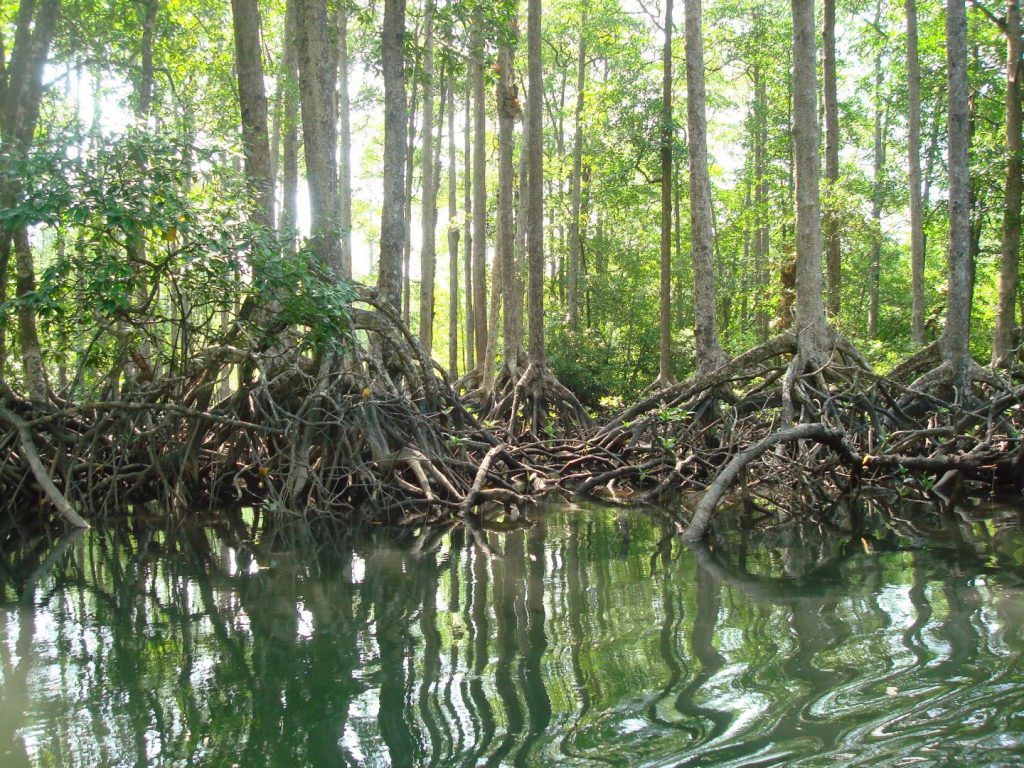
The review found that the destruction of habitats such as mangroves and seagrass meadows is nearly at rest, and global fishing is slowly becoming more sustainable. In regions from the Philippines to Tampa Bay, Florida, the habitats are recovering.
Prof Callum Roberts, one of the review’s team, explained:
One of the overarching messages of the review is, if you stop killing sea life and protect it, then it does come back. We can turn the oceans around, and we know it makes sense economically, for human wellbeing and, of course, for the environment.
In 1968, Humpback whales that migrate from Antarctica to eastern Australia had a population of a few hundred; now, there are around 40,000. In western Canada, sea otters have risen from a dozen in 1980 to thousands today. These are a few successful come backstories that are proof of the ocean’s capabilities of regeneration.

Roberts said:
We’re beginning to appreciate the value of what we’re losing and not just in terms of the intrinsic beauty of the wildlife but in terms of protecting our livelihoods and societies from bad things happening, whether that be poor water quality in rivers and oceans or sea-level rise beating on the doorstep of coastal areas.
However, many issues are still slowing down progress, including:
- Overwhelming amounts of plastics pouring into our oceans
- Pollution from farms
- Waters are reaching record high temperatures
- Over-fishing is still taking place in many regions, with at least one-quarter of fish stocks overexploited
Regardless, the benefits of restoring habitats are growing, and people are becoming more conscious about protecting the ocean. In 2000, marine protected areas covered 0.9% of the sea, today they cover roughly 7.4%. “When I started working on the science of marine protected areas in the early 1990s. It was very much a niche interest. Now it’s being discussed at the top level internationally, and we have many countries signing up to expand protection to 30% of the world’s oceans by 2030, with the UK among the early adopters of the target,” added Roberts.
The review, published in the journal Nature, concludes that restoring the oceans by 2050 is a big challenge, but with global conservation efforts, it can be achieved.


