
UK supercar maker McLaren Automotive is beginning its shift towards electric vehicles (EVs). It plans to launch its first hybrid in 2021 and stop developing internal combustion (petrol) engines by 2030.

McLaren’s CEO, Mike Flewitt, told the Financial Times that the company would focus on hybrid supercars until it transitions to only electric in ten years. However, the first fully EV will not hit the market until after 2025.
Flewitt said:
We will be developing engines for the next 10 years, selling for the next 15 years, but we expect a lot of the world to be aligning around the 2035 date [for a full shift to electric cars].


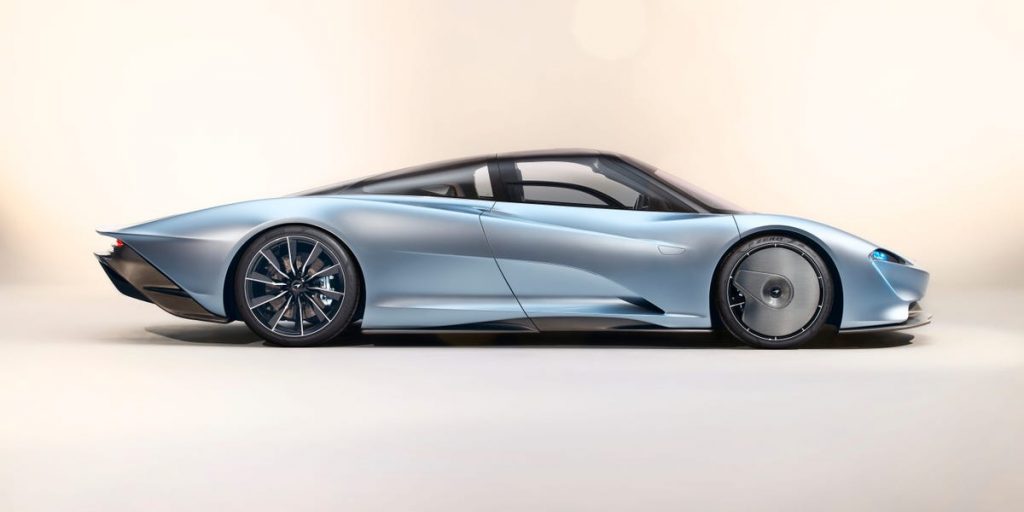
So far, the British automaker has two hybrid Sports Series models – the Speedtail and the P1. But there are several more to come because every model launched as of 2021 will be hybrid. These new supercars will be developed at the company’s latest Composites Technology Centre (MCTC) in Sheffield.
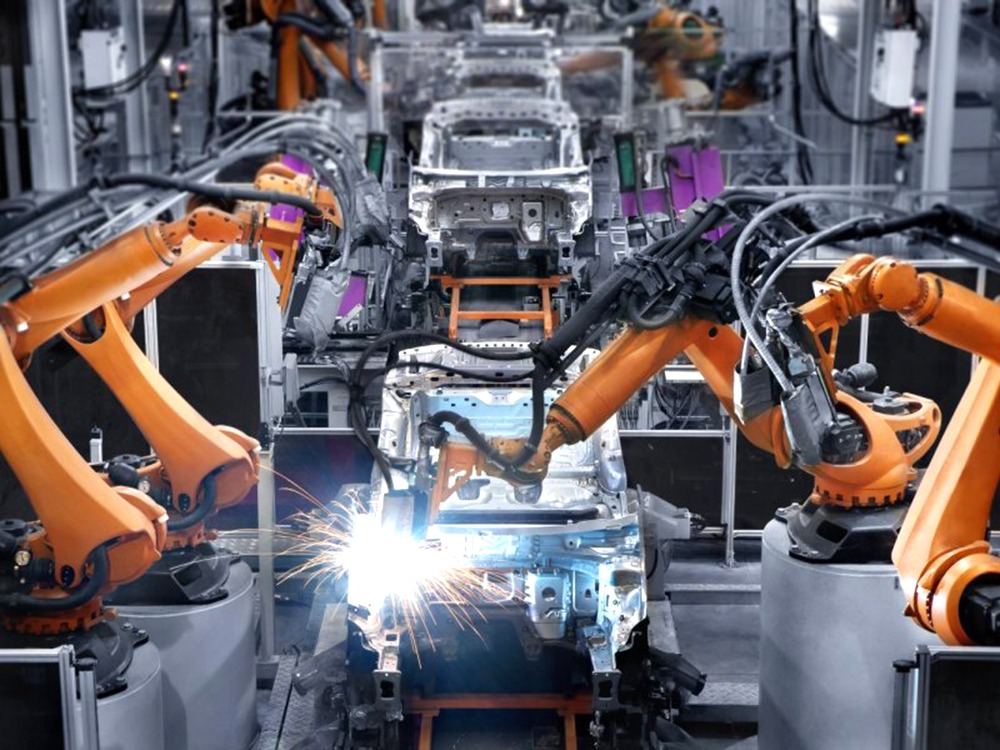
McLaren also revealed its new lightweight carbon fiber architecture that will serve as the base design for all upcoming electrified models. The new structure is expected to allow the vehicles to drive for over 18.6 miles (30 km) using only battery power and plug in to charge.
The new models will be made with up to 60% UK-made components, which is the highest of any mainstream British vehicle maker.
And its sustainable innovation doesn’t end there! McLaren has also been working with Swiss specialist Bcomp to develop a new flax fiber racing seat that has a 75% lower carbon footprint than its carbon fiber counterpart. The seats will be used in the F1 model.


McLaren F1 technical director James Key said:
For decades, F1 has been an innovation lab for technology that has transformed not just motorsport, but the automotive industry and beyond. The sport must continue down the road of getting to an increasingly environmentally friendly set of conditions, and our development and application of natural fiber composites is an example of how we’re accelerating this journey, as well as the ongoing evolution towards cleaner mobility.
Unfortunately, the COVID-19 pandemic has hit McLaren hard as global sales have dramatically lost demand. Overall, car sales are down by 40% compared to last year. Plus, the company has raised an additional £150m in debt and had to lay off over 25% of its staff – 1,200 jobs. Nevertheless, it’s moving forward green, and that’s a very hopeful gesture.


