
Electricity powers nearly every aspect of modern life—from lighting our homes to running the appliances and devices we depend on daily. Yet these conveniences can quickly add up, contributing to high monthly utility bills that strain household budgets. As the cost of living continues to rise, finding practical ways to cut down on electricity expenses without sacrificing comfort has never been more essential.
This guide explores a wide range of energy-saving strategies, from simple daily habits to long-term investments in smart technology and insulation upgrades. A great starting point is using an electric bill calculator, which helps break down your usage into manageable insights. Whether you’re curious about high-tech upgrades or just want quick, actionable tips, here are ideas to reduce your electricity bill that suit every lifestyle and budget.
[ez-toc-
Understanding Energy Consumption
To effectively reduce your electricity usage, start with an understanding of your current energy consumption. Every home is different, with unique energy needs based on the number of residents, habits, and appliances used.
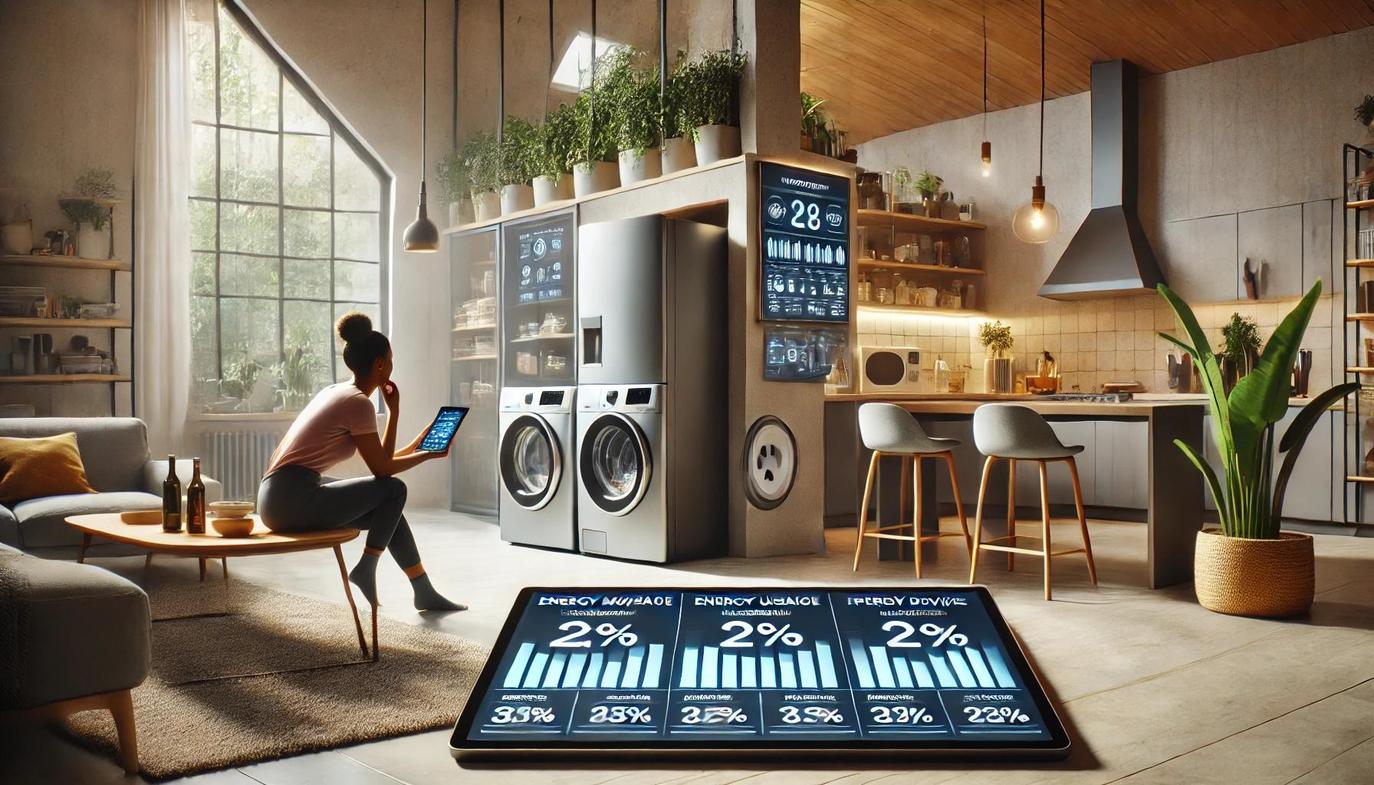
Typically, HVAC systems, water heaters, and kitchen appliances rank highest in energy demand. Installing an energy monitor in your home gives you real-time insights into which devices and systems consume the most power.
This knowledge enables you to prioritize adjustments to maximize energy savings. For instance, scheduling regular maintenance for energy-intensive systems like HVAC units or adopting energy-efficient settings can reduce consumption significantly.
Smart Home Devices That Actually Save Energy
Managing household energy usage has never been easier thanks to advancements in smart home technology. These devices improve your lifestyle and offer precise ways to cut electricity waste without effort.
- Smart thermostats adjust heating and cooling based on your routine, saving energy when you’re not home.
- Connected lighting systems dim or shut off automatically when rooms are empty.
- Energy-monitoring plugs track how much power each device consumes, helping identify hidden energy drains.
- Automated blinds manage indoor temperatures by responding to sunlight, reducing the need for AC.
By automating your energy usage, these tools reduce waste without requiring daily micromanagement. The result is a smarter, more efficient home that works for you around the clock.

Best Insulation Upgrades for Reducing Energy Bills
Insulation is often the unsung hero of energy efficiency, helping to regulate your home’s temperature throughout the year. Proper insulation keeps cold air indoors in the summer and warm air in the winter, significantly reducing the need for heating and cooling systems.
A thorough assessment of your home’s insulation status is a good starting point. You might discover poorly insulated areas or leaks around windows and doors. In these situations, closing access points and increasing insulation in your attic, walls, and floors can significantly lower energy costs.
Different types of materials, such as foam board, spray foam, and reflective barriers, have different benefits, and you can choose the one that best fits your needs and budget.
How to Pick Energy-Efficient Appliances That Pay Off
When purchasing new appliances, opting for energy-efficient models is an investment that pays off over time. Look for appliances labeled with the Energy Star rating—they deliver the same performance as standard products but consume less energy. This energy reduction translates into lower operating costs throughout the appliance’s lifespan.
For instance, Energy Star refrigerators use about 15% less energy than non-certified models, resulting in noticeable savings. Even though the cost may be higher at first, cutting down on energy use and the money you save on your electricity bills can quickly cover the cost. Also, a lot of utility companies offer rebates for buying energy-efficient appliances, which makes these choices even more financially smart.

Save More with Utility Provider Rebates and Programs
Utility companies often provide programs designed to assist consumers in reducing energy consumption and lowering bills. Your provider may offer rebates on energy-efficient appliances, time-of-use pricing plans, and even free home energy audits to help you identify the most effective ways to save.
Participating in these programs cuts down on energy consumption while providing direct financial incentives that can ease the burden of high electricity costs. Many of these options can be found directly on your utility provider’s website, often under sections like “Energy Efficiency Programs” or “Customer Savings Tools,” where you can see eligibility details and start applying right away.
Is Renewable Energy Right for Your Home?
Switching to renewable energy can be a powerful move toward sustainability and long-term savings—but it’s not a one-size-fits-all solution. Before making the leap, it helps to weigh the benefits and limitations for your specific situation.
- Solar panels reduce your reliance on grid electricity and can lead to significant long-term savings.
- Wind turbines offer another renewable option but are better suited for rural or open areas with consistent wind.
- Tax incentives and rebates can offset initial installation costs, making the investment more manageable.
- Battery storage systems help store excess energy for use when the sun isn’t shining or wind isn’t blowing.
- Energy independence means fewer worries about fluctuating utility prices and outages.
Understanding the potential returns and upfront investment helps you make an informed decision. Going green is not the sole objective of renewable energy; it is also about identifying a sustainable model that is compatible with your budget and home configuration.

Daily Habits That Cut Your Electricity Bill
Even the smallest actions can lead to meaningful reductions in your energy use. Building mindful routines around power consumption is an easy, cost-free way to start saving immediately.
- Turn off lights when you leave a room—even for a few minutes.
- Unplug devices and chargers that aren’t in use to stop phantom energy drain.
- Wash clothes in cold water whenever possible to avoid using extra heating.
- Let clothes air dry instead of relying on the dryer.
- Use power-saving modes on your laptop, TV, and other electronics.
Over time, these habits create a lasting impact on your electricity bill. They also instill a deeper sense of sustainability in your household culture.
Final Thoughts on Cutting Electricity Costs
Reducing your electricity bill doesn’t have to mean sacrificing comfort or convenience. Modern technology offers new ways to cut energy use, while simple behavior changes can make a meaningful difference on their own.
Whether you’re installing a smart thermostat, sealing insulation gaps, or just flipping off unused lights, every small adjustment helps reduce your monthly costs. You have the tools and choices to lower your electric bill—and it starts with what you do today.
With consistent action, those changes build toward something bigger: a more efficient, sustainable home that benefits both your wallet and the world around you.

Frequently Asked Questions
What uses the most electricity in a typical home?
Heating and cooling systems, water heaters, and large kitchen appliances are usually the biggest energy consumers in most households.
Are smart home devices really worth the investment?
Yes. Smart thermostats and connected appliances help optimize energy usage, often resulting in noticeable savings within the first year.
How much can insulation really save me on energy bills?
Proper insulation can reduce heating and cooling costs by up to 20%, depending on your home’s current efficiency level.
Is switching to solar power financially smart?
It depends on your location and energy needs. With incentives and tax rebates, many homeowners find solar power pays off in under 10 years.
Can changing habits really make a difference in energy use?
Absolutely. Small changes—like unplugging chargers or using cold water—can add up to substantial savings over time.


