
We all know by now that the world is suffocating from its plastic addiction. Not enough people are doing something about it. But, the ones that are, are really making an impact and setting a good example for the rest.
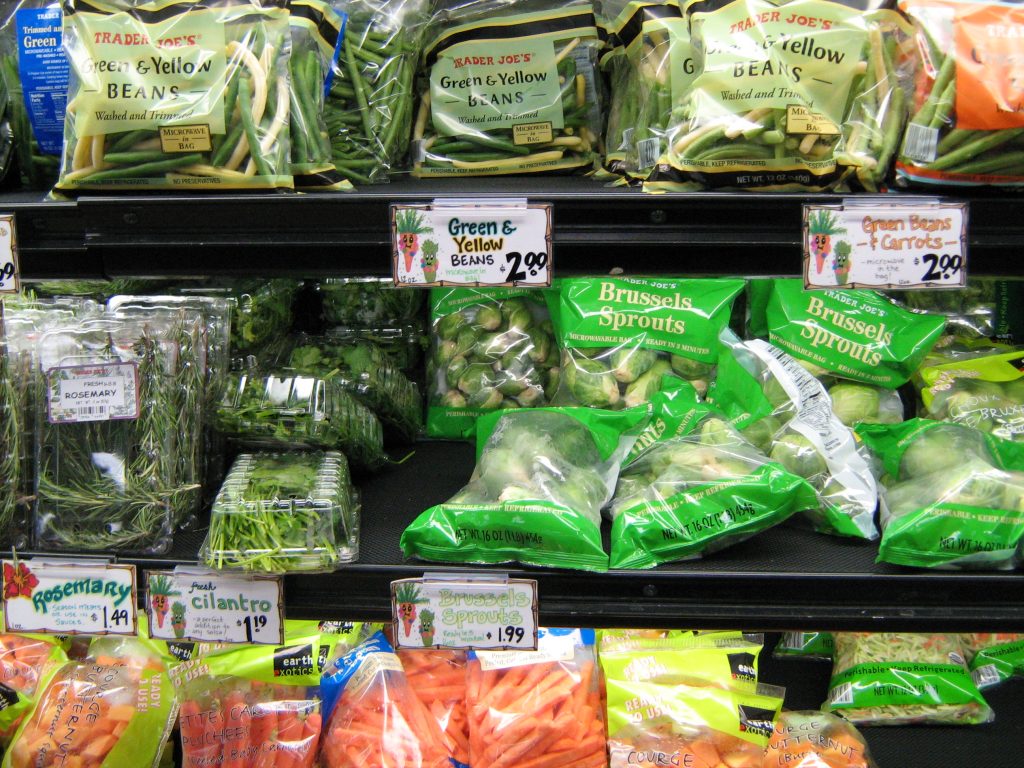
Of these growing number of businesses that are stepping up to the plate to reduce their plastic waste is the supermarket chain Trader Joe’s. In a recent announcement, the company declared that it will be taking steps to cut back on plastic and other packaging waste after a petition launched by Greenpeace harnessed over 100,000 signatures.
Trader Joe’s stated:
“Taking into consideration our customer feedback and our desire to be great neighbors, we have been taking a careful look at our packaging and the opportunities that exist to make improvements, with respect to sustainability. A fundamental focus of sustainability is maintaining product integrity and preventing food waste. We strive to balance the key role packaging plays in this effort with the overall impact packaging has on the ecosystem, as we approach making any changes.”
This announcement was made at the very end of 2018 to usher in the new year with several improvements geared towards making packaging more sustainable in an effort to eliminate more than 1 million pounds of plastic from stores. And they expect that number to grow as they continue to identify sustainable opportunities and take action.
Kenya Friend-Daniel, public relations director for Trader Joe’s, told EcoWatch in an email:
“As a neighborhood grocery store, we feel it is important for us to be the great neighbor our customers deserve. Part of that means better managing our environmental impact. As we recently shared with our customers, we are working to reduce the amount of packaging in our stores and while we have made a number of positive changes in this space, the work is ongoing.”
Here are some of their achievements to date:
- They stopped offering single-use plastic carryout bags in all stores across the country.
- They replaced plastic produce bags with biodegradable & compostable produce bags for the convenience of carrying loose or “by-the-each” fruits and vegetables.
- They eliminated any remaining styrofoam packages in their produce section and replaced them with bio-based, compostable trays.
- They identified for their vendors the substances that they want to avoid in their packaging, including Bisphenol A (BPA) & Bisphenol S (BPS); Nonylphenol Ethoxylates (NPEs); Per- and Polyfluoroalkyl Substances (PFAS); Polystyrene (PS); Styrene; Phthalates.
- They put together information for their customers about packaging materials and disposal opportunities, so they can make informed and responsible decisions with these packaging materials.
Here are items they are working on now:
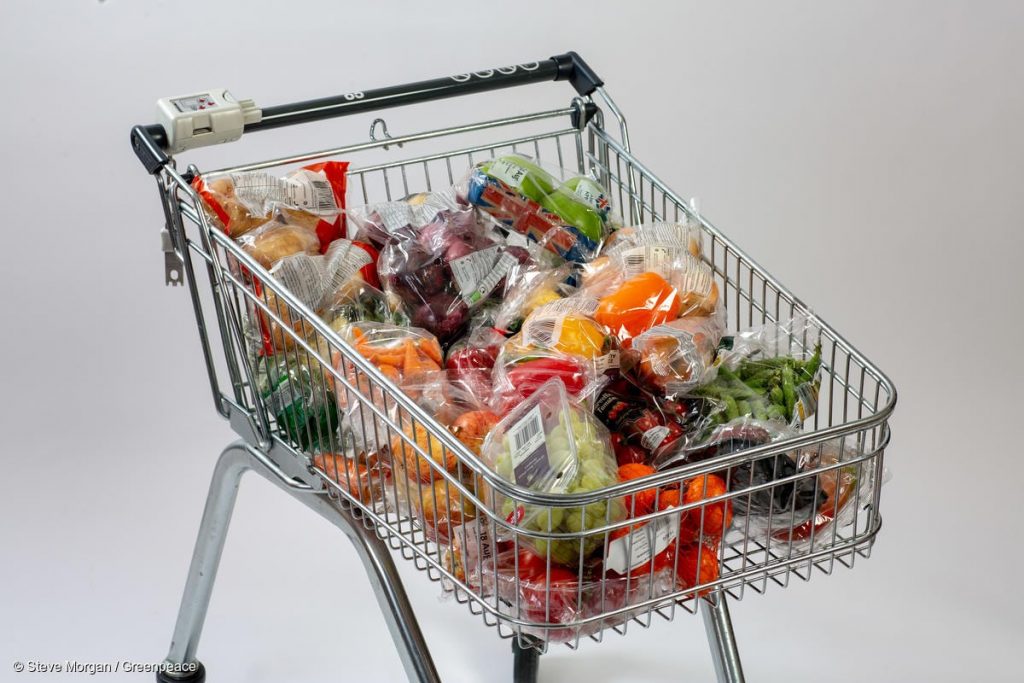
- Reducing the number of items sold in plastic packages in their produce section, including apple, pear, and potato bags.
- Replacing any remaining styrofoam trays in their fresh meat section with PET1 trays that are highly recyclable.
- Replacing the current plastic sleeves on their greeting cards with sleeves made of renewable, compostable material.
- Replacing the current plastic flower bags with bags made of renewable material.
- Eliminating non-recyclable plastic and foil pouches from their tea packages.
“We view this as ongoing work—in fact, never-ending work. As we continue in this endeavor, we are committed to openly sharing information about our progress.” – Trader Joe’s
It’s a solid start in battling the so-called “war on plastics.” Indeed, plastic has been found on every continent – including Antarctica – and at the bottom of the world’s deepest waters. It’s going to take a lot more effort to win this war. Each year, enough plastic is thrown away to circle the earth four times around. Despite that, just one-quarter of plastics produced in the U.S. is recycled even though recycling plastic takes 88 percent less energy than making it from raw materials. This needs to change ASAP!
Greenpeace U.S.A. plastics campaigner David Pinsky told EcoWatch:
“Every minute of every single day the equivalent of a truckload of plastic enters our oceans. Not only are these plastics hurting or killing marine animals, they are impacting all of us through our seafood, sea salt, tap water, and even the air we breathe. We know that we can’t recycle our way out of this crisis, as only 9 percent of the plastics ever made have actually been recycled.
For far too long, corporations have deflected blame and made the issue of plastics about individual responsibility, but it’s time for the world’s largest corporations and retailers to show some accountability. The only way we are going to tackle this crisis is by pressuring corporations and governments to move away from throwaway plastics for good, and toward systems of reuse.”


