
Home gardeners prioritize reliable methods for suppressing invasive species that bypass the need for aggressive synthetic chemicals. Scientific teams recently isolated a specific 2Z-decaprenol compound within Manchurian walnut leaves that demonstrates remarkable potential as a natural bioherbicide. News of a ‘weed-wiping plant’ generates excitement, yet shifting toward sustainable weed control requires a deeper look at how botanical extracts actually function within the soil.
Successful crop management depends on suppressing unwanted competition before it ever gains a foothold. When left unmanaged, weeds drive massive potential yield losses across major crop systems, which makes the discovery of seedling growth suppression through botanical extracts so vital. Small farmers can eventually benefit from eco-friendly herbicides to maintain high yields without compromising soil health or ecosystem balance.
Integrated weed management remains the most reliable strategy for long-term success. Stacking multiple layers of defense—such as mulching, cover cropping, and timing—creates a resilient environment where weeds struggle to establish. Moving forward, combining traditional organic weed management tactics with emerging biological breakthroughs will define the next generation of land stewardship.
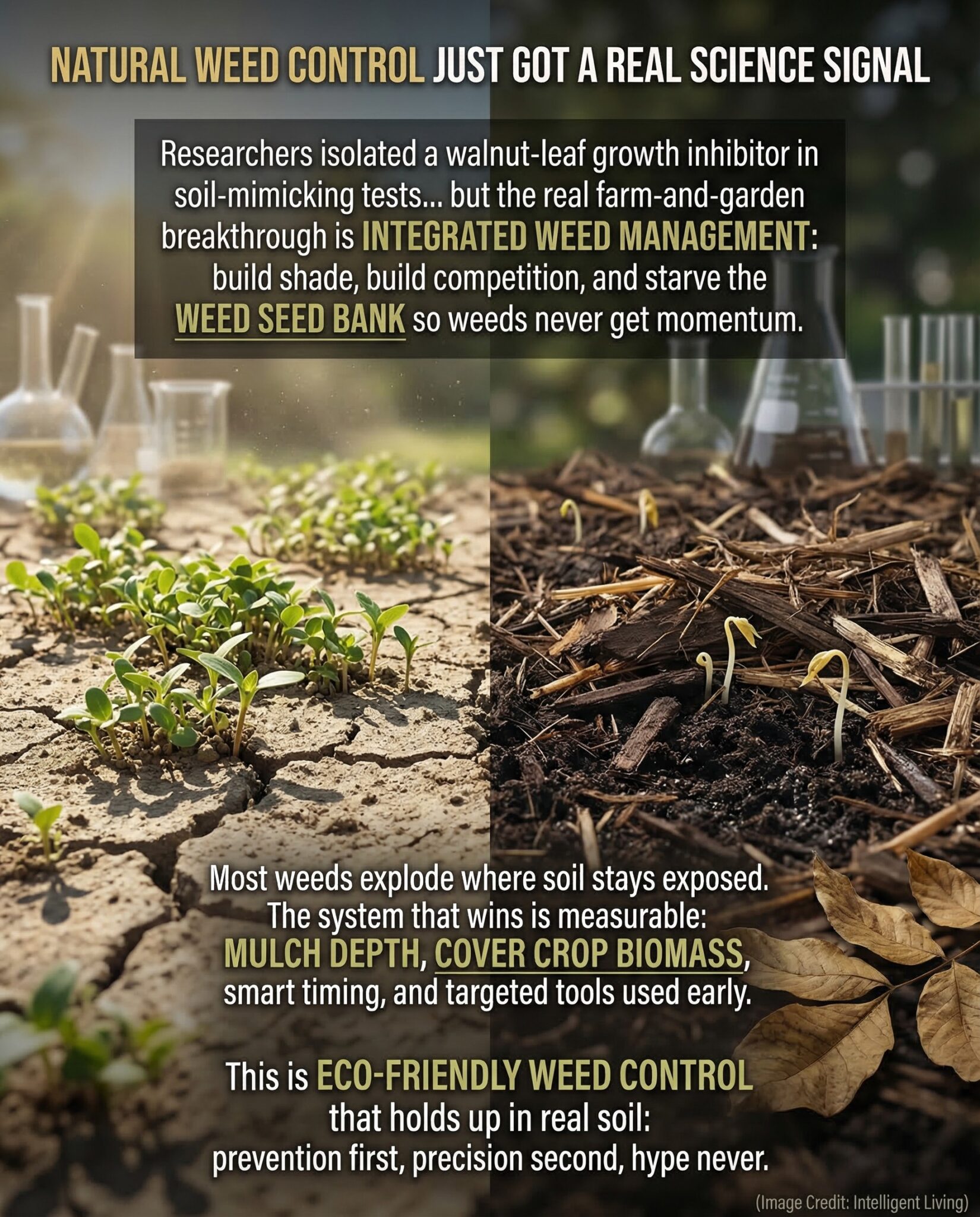
Scientific Insights into Manchurian Walnut Leaves and Natural Bioherbicide Potential
Quick Facts: Walnut Leaf Bioherbicide Study and Practical Natural Weed Control
- Scientists at Kyushu University recently isolated 2Z-decaprenol, a natural growth-inhibiting compound found in Manchurian walnut leaves. This discovery was detailed in a Journal of Agricultural and Food Chemistry publication, which highlights the molecular mechanisms of these walnut-derived extracts.
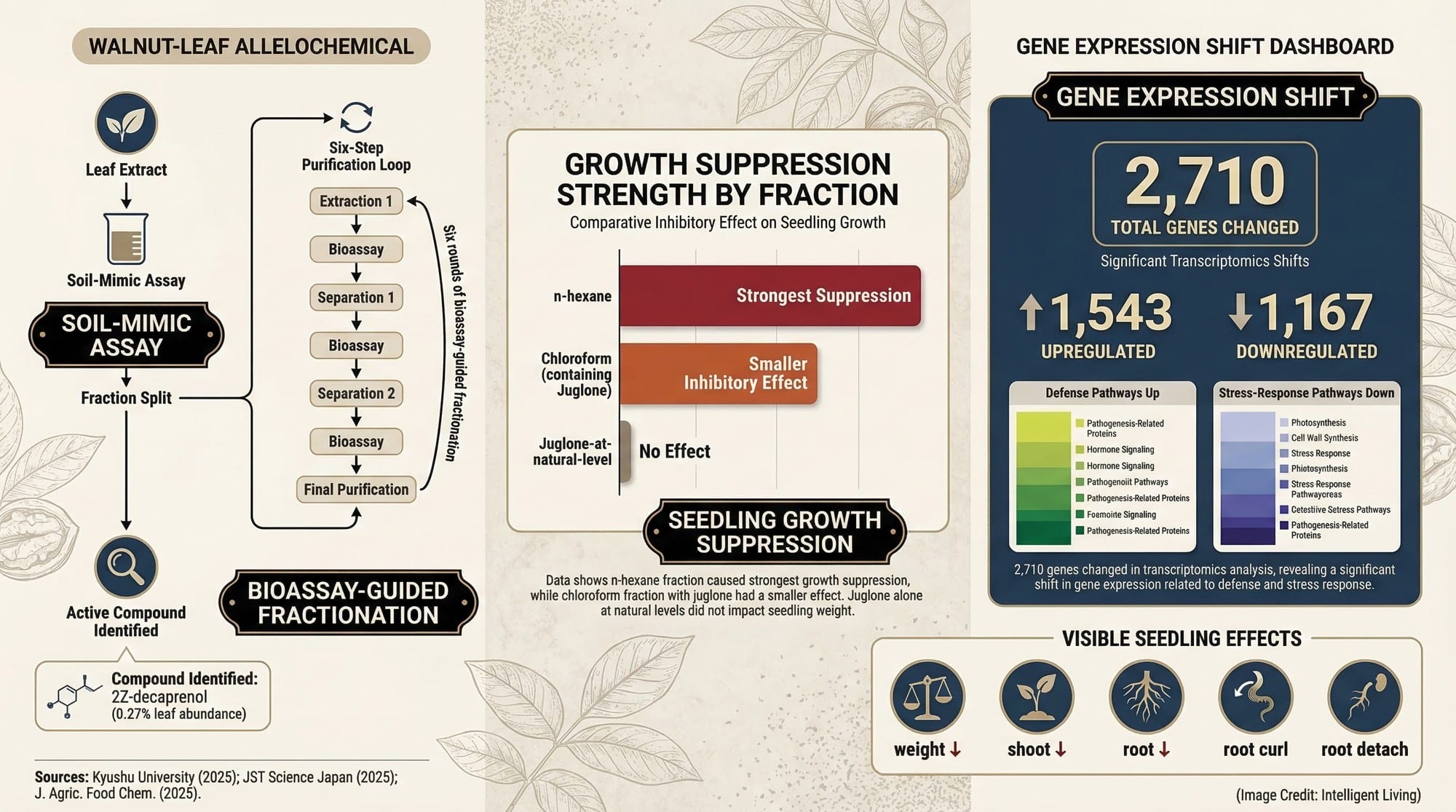
- Researchers utilized a soil-based bioassay designed to simulate leaf litter release to test the compound’s efficacy. Results showed that 2Z-decaprenol significantly inhibited seedling growth and altered root development under controlled conditions.
- The work used bioassay-guided fractionation, a step-by-step method that repeatedly separates plant extracts while testing each fraction for biological activity.
- Scientists emphasize that these findings represent laboratory progress rather than proof that raw walnut leaves serve as a field-ready herbicide.
- Integrated weed management remains the most dependable eco-friendly weed control strategy currently available.
The “Weed-Wiping Plant” Headline and What’s Really Going On
What the Headline Gets Right: A Real Growth-Inhibiting Compound
While the phrase ‘weed-wiping plant’ suggests a simple solution, the actual research focused on the complex isolation and testing of molecules found in Manchurian walnut leaves. The research utilized a chemical separation experiment mimicking soil-based leaf litter to isolate the walnut leaf fractions most effective at suppressing early growth.
That process identified 2Z-decaprenol as the most active compound in their testing system. It suppressed seedling development and caused visible changes in root growth under controlled laboratory conditions.
Where the Headline Overreaches: Not a DIY Walnut Leaf Weed Killer
A backyard gardener might imagine tossing walnut leaves into a raised bed and watching weeds disappear. Such assumptions often lead to unintended consequences, as plant-to-plant chemical suppression frequently impacts high-value crops alongside the targeted weeds.
The Practical Takeaway: Promising Chemistry, Not a Finished Farm Tool
While these scientific findings point toward a groundbreaking new mode of action for a future natural bioherbicide, the results remain confined to specific laboratory conditions. Growers should understand that a DIY walnut leaf spray cannot yet replace established systems for managing weed pressure across diverse crop types and soil environments.
What Scientists Found in Manchurian Walnut Leaves in Plain English
Allelopathy Explained Without Jargon
Natural chemical interactions like allelopathy allow certain plants to influence the growth of nearby species through soil-based emissions. Experienced gardeners often recognize black walnut trees by their production of juglone, a potent natural growth inhibitor known to suppress sensitive species. However, this study highlights a different candidate compound and walnut species; therefore, it remains early-stage science rather than field-ready advice.
What 2Z-Decaprenol Did in the Soil Assay
In their soil-based assay, scientists identified 2Z-decaprenol in Manchurian walnut leaves as the most biologically active fraction. The compound reduced seedling growth and produced noticeable root curling effects. The researchers also examined gene activity changes to better understand which growth pathways were being disrupted.
What Still Needs Field Proof Before Farm Use
Although the research team discovered a natural molecule with herbicidal potential, this finding does not imply the compound has undergone testing across multiple weed species, crop systems, or environmental conditions. Validated findings indexed in the PubMed scientific database serve as a foundation for future development rather than a signal for immediate garden experimentation.
The Practical Weed Plan: Build an Integrated Weed Management “Stack”
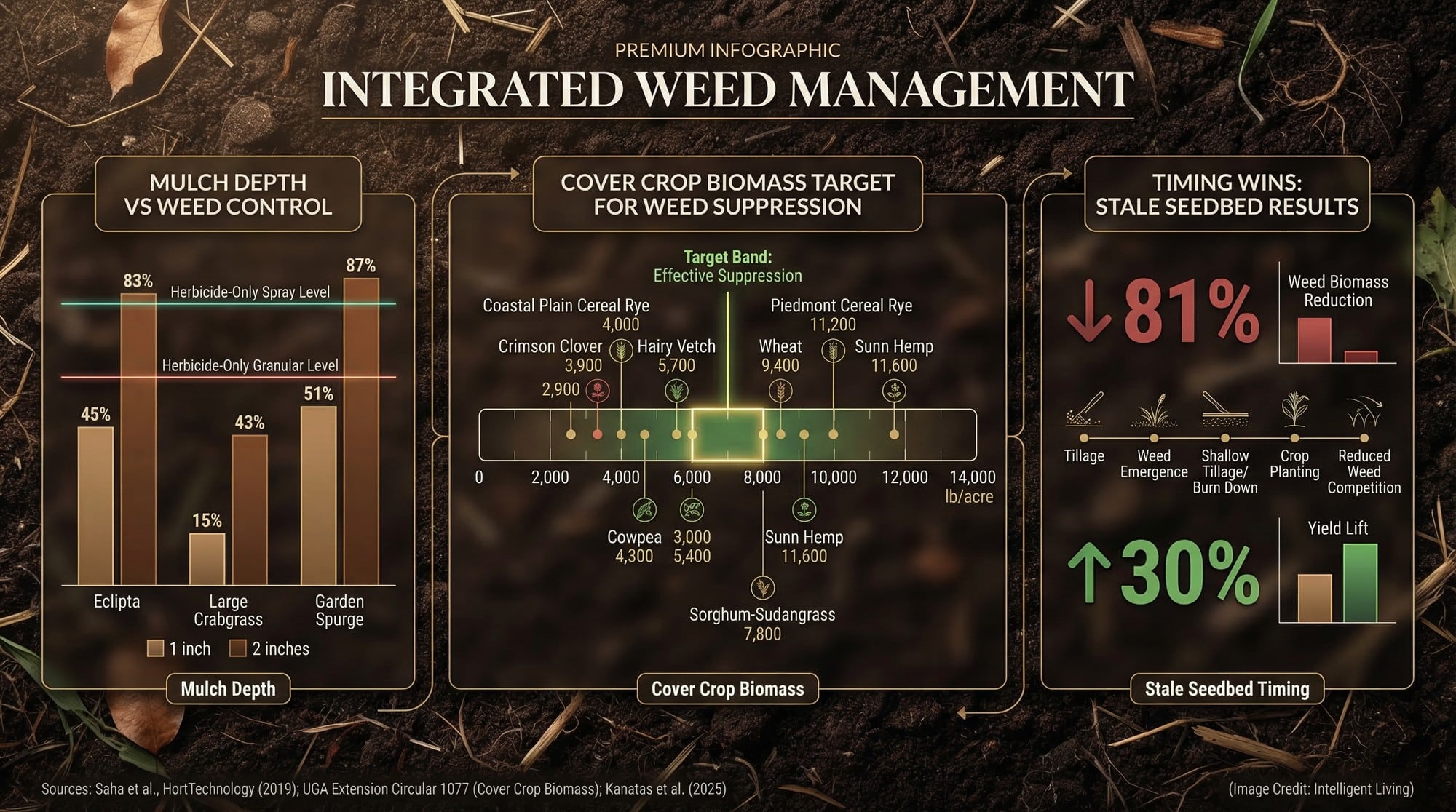
Integrated weed management (IWM) stands as the most dependable eco-friendly system available today, seamlessly blending with organic weed management tactics like mulches and cover crops. Effective integrated weed management requires stacking prevention, competition, timing, and targeted tools so weeds do not get repeated chances to dominate.
Step 1: Shade the Soil With Mulch and Barriers
Weeds need light to germinate and establish. Reducing weed pressure begins with strategic soil coverage. Applying organic mulch or biodegradable ground cover offers several critical benefits:
- It limits light exposure at the soil surface to prevent germination.
- It physically blocks emerging seedlings from reaching the sun.
- It preserves soil moisture to support desirable crop vigor.
Strategic mulching ensures that weeds struggle to establish while your garden remains hydrated and healthy.
Implementing sustainable landscaping techniques remains one of the fastest ways to cut weed pressure while simultaneously protecting vital soil moisture.
Battling bindweed along a garden edge becomes significantly easier when utilizing several inches of shredded bark or straw to keep the soil surface protected. This aligns with the prevention-first weed control methods emphasized for organic systems.
Under gravel paths and between permanent beds, weed barrier fabrics can reduce the weekly hand-weeding grind without relying on routine herbicide sprays.
On farms trying to reduce plastic waste, biodegradable mulch films provide light-blocking benefits while reducing the long-term cleanup burden.
Step 2: Win the Competition with Healthy Crops
Strong, dense crops outcompete weeds for light, water, and nutrients. Healthy crop establishment acts as a natural defense against invasive plants. Several cultural factors contribute to this rapid growth:
- Proper bed preparation to ensure loose, aerated soil.
- Excellent seed-to-soil contact for consistent germination.
- Balanced soil fertility to support strong root development.
Farmers prioritizing long-term soil health find that success begins with robust crop vigor rather than reactive spray programs. In smaller growing environments, maintaining a competitive landscape involves several key tactics:
- Utilizing increased plant diversity to naturally occupy bare soil segments.
- Selecting high-vigor transplants that reach canopy closure quickly.
- Monitoring nutrient levels to ensure crops outpace invasive competitors.
Filling these ecological niches ensures that weed seeds find fewer opportunities to germinate and thrive. Mechanical tools like cultipackers improve seed-to-soil contact to ensure the uniform stand needed for shading out invasive plants.

Step 3: Reduce the Weed Seed Bank with Timing
Invasive species typically germinate in predictable flushes throughout the growing season. The stale seedbed technique involves preparing soil, encouraging weeds to sprout, and then eliminating those seedlings before planting the main crop. Integrating a stale seedbed strategy with thermal weeding targets weeds when they are most vulnerable, significantly reducing the labor needed later in the season. Small-scale growers who adopt this timeline—preparing beds two weeks prior to transplanting—effectively eliminate the first flush of growth before the primary crops ever enter the soil.
Step 4: Use Cover Crops as Living Weed Blankets
Cover crops such as rye or clover can suppress weeds by shading soil, competing for nutrients, and forming thick residue mats when terminated. Utilizing cover crops for seasonal suppression creates a living blanket that reduces the bare-soil windows where invasive plants typically thrive.
Researchers typically evaluate residue mulches for specific weed management based on biomass production and total soil coverage.
For farmers scaling these operations, Advanced cover crop seeding equipment ensures even placement, making the timing of establishment much more predictable.
Step 5: Apply Targeted Mechanical or Thermal Tools when Needed
Mechanical cultivation and flame weeding remain valuable in both gardens and commercial fields. Properly timed flame weeding can knock back small broadleaf weeds with minimal soil disturbance.
On larger acreage, tractor-mounted propane rigs target weeds between crop rows when they are most vulnerable.
Modern technological shifts are rapidly changing the labor equation for large-scale and specialized growers. Innovations in autonomous precision laser weeding now allow for the surgical removal of individual invasive plants, which drastically reduces the need for blanket herbicide applications across the field.
The Limits of Weed Killers, the Risk of “Natural,” and the Reality of Getting New Tools to Market
Why Farmers are Desperate for New Tools in the Age of Herbicide Resistance
Developing alternative weed control methods has become a practical necessity rather than a theoretical pursuit for modern growers. A global herbicide resistance database helps illustrate why single-tool approaches are increasingly failing, driving farmers to seek a new natural bioherbicide with a distinct mode of action to diversify their defensive strategies.
Farmers who have watched once-effective herbicides lose performance understand that diversification is essential. A new natural compound with a distinct mode of action could eventually contribute to that diversification, but it would still be one tool among many.
Eco-Friendly Doesn’t Mean Harmless: The Non-Target Plant Problem
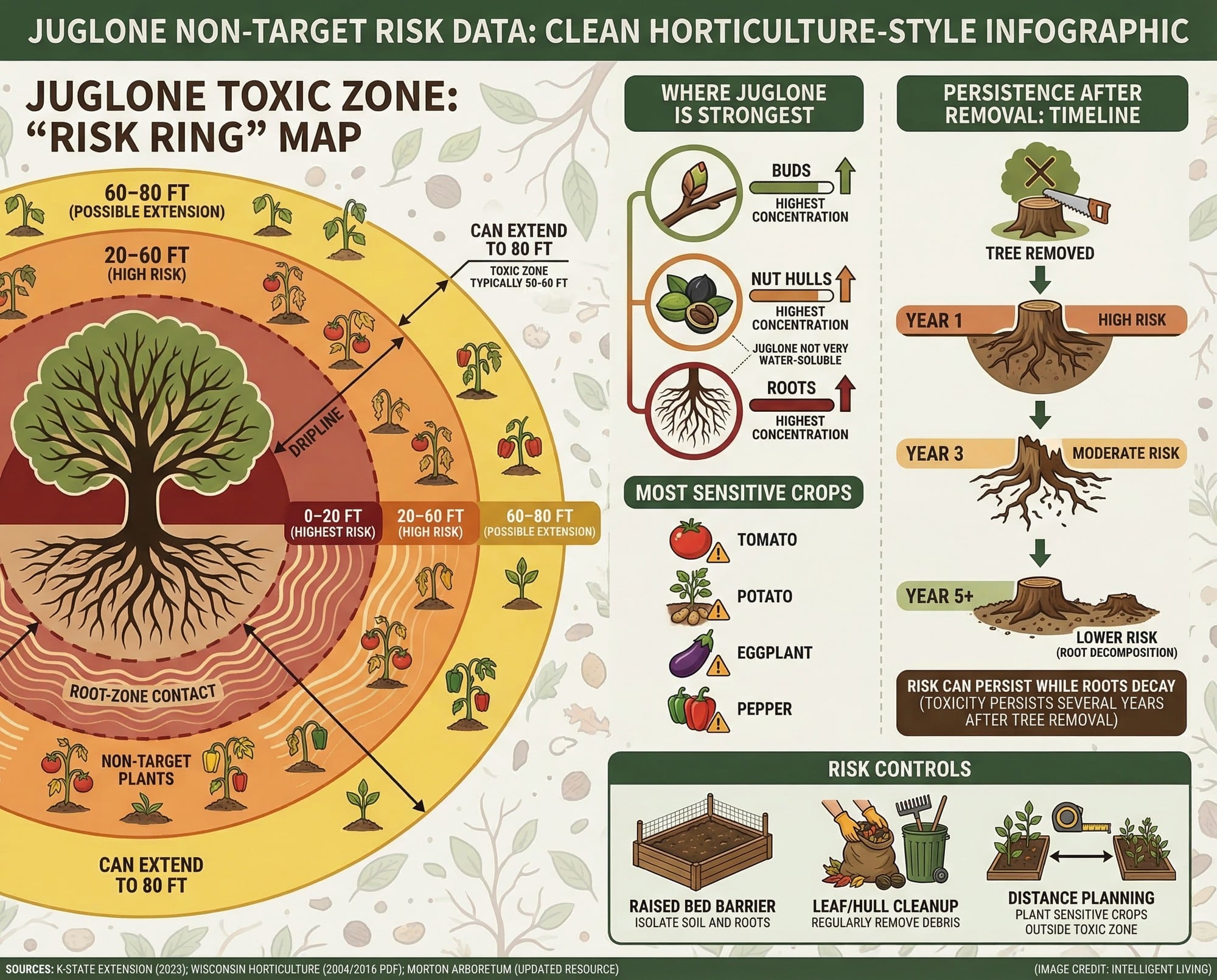
Natural substances can still cause unintended harm. Known issues like black walnut tree toxicity demonstrate how plant-derived chemicals can stunt crops when roots or hulls concentrate near vulnerable species.
Understanding chemical potency remains essential when integrating a natural bioherbicide into your land management strategy. Researchers must ensure these natural extracts do not inadvertently damage beneficial soil organisms or surrounding ecosystems. Specific data on chemical concentrations in walnut tissues further explains why leaf-based chemistry requires scientific precision rather than unguided optimism. Gardeners often observe this reality firsthand; spreading fresh walnut leaves as mulch only to find stunted tomatoes the following season reveals that ‘natural’ solutions can remain biologically aggressive.
One practical way to reduce risk is to utilize mulch-based weed control rather than improvising with raw, concentrated plant residues.
Why You Can’t Buy this “Walnut Herbicide” Yet and What to Watch for Next
Moving from a laboratory discovery to a shelf-ready product requires several critical verification steps:
- Stabilizing the organic compound for long-term storage.
- Ensuring consistent field performance across diverse climates and soil types.
- Evaluating potential non-target impacts on beneficial insects and plants.
These requirements highlight why a simple headline often masks the rigorous testing needed for real-world deployment. At this stage of development, the walnut leaf compound remains an encouraging scientific discovery rather than a commercially available tool. Growers should monitor upcoming field trials and formulation updates to track the path toward practical deployment. Modern challenges in bioherbicide formulation highlight why shelf life and field consistency are difficult hurdles to clear.
Regulatory pathways add another layer. In the United States, some products are categorized as minimum-risk pesticides under EPA rules, while others require the full pesticide registration process to demonstrate safety and efficacy.
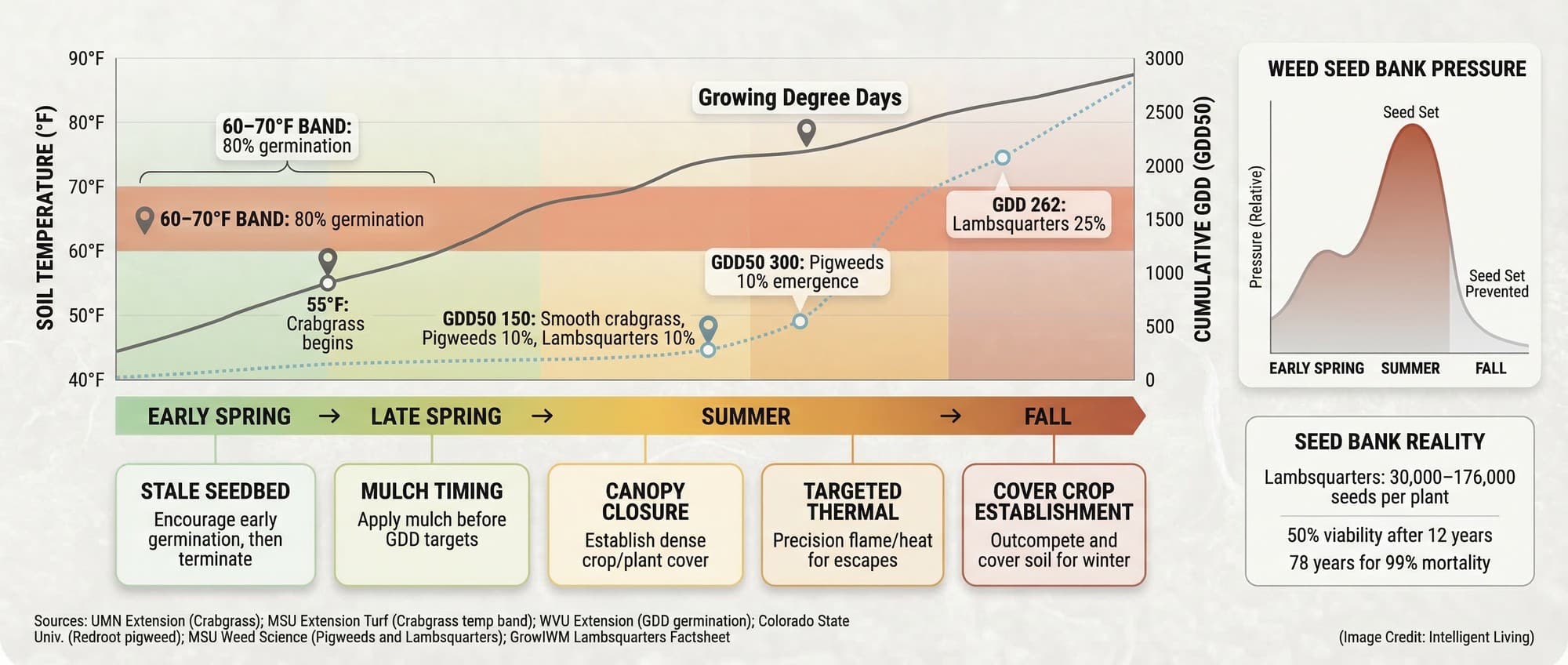
Quick-Start Checklist: Effective Natural Weed Control Strategies for Every Seasonal Growth Cycle
Garden Version
- Apply a two-to-four-inch layer of organic mulch after planting, especially during a spring garden reset.
- Use dense spacing and healthy transplants to shade soil quickly.
- Practice stale seedbed preparation before direct seeding.
- Disrupt the reproductive cycle by removing weeds before they set seed, while keeping a seasonal journal to track which species appear during specific weather patterns.
Farm Version
- Integrate cover crops into rotations, as sustainable agriculture trends increasingly favor reduced bare-soil windows.
- Combine mechanical cultivation with targeted flaming where appropriate.
- Monitor fields closely for emerging signs of herbicide resistance and rotate management tactics frequently to prevent weeds from adapting to your control methods.
- Stay informed about emerging bioherbicide research and regulatory updates.
Future Perspectives on Sustainable Weed Control and Integrated Management
Developing a Long-Term Natural Weed Control Strategy
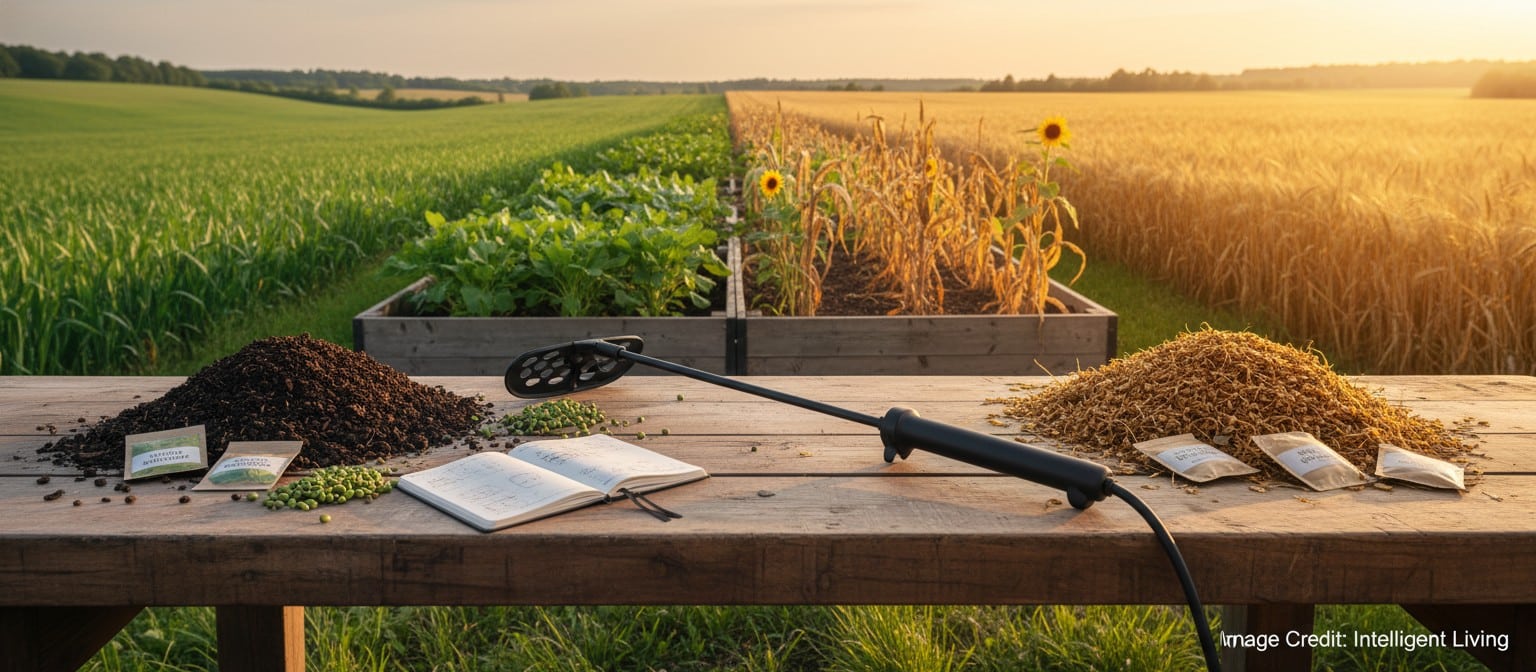
Research into Manchurian walnut leaves highlights a shift toward more sophisticated, nature-based solutions. Small-scale farmers can look forward to a time when a natural bioherbicide provides targeted root development inhibition without the non-target toxicity associated with older chemicals. Lab-tested molecules will eventually reach the market; until then, maintaining a high level of crop vigor and competition through healthy soil remains the best defense.
Diligent land stewardship ensures the depletion of the local weed seed bank and the long-term success of a clean, productive harvest. Consulting a detailed integrated weed management guide allows growers to adapt their strategy as conditions change, keeping pressure on invaders through every growth phase. True sustainable weed control combines disciplined cultural practices with the promise of future eco-friendly herbicides.
Natural Weed Control FAQ: Integrated Weed Management and Bioherbicides
Can Manchurian walnut leaves be used as a DIY natural bioherbicide?
Directly applying raw leaves is risky. The concentration of allelopathic chemicals varies significantly, which might lead to accidental seedling growth suppression in desired crops.
What makes integrated weed management effective for small farms?
Diverse tactics work together. Combining prevention, competition, and mechanical tools eliminates the reliance on any single tool that weeds could eventually resist.
How do eco-friendly herbicides help reduce the weed seed bank?
Botanical products target emerging seedlings during critical windows. Using these alongside a stale seedbed technique significantly lowers the volume of future weed pressure.
Is allelopathy in plants a safe alternative to synthetic sprays?
Allelopathy represents a natural biological process, but management requires care. Compounds like juglone or 2Z-decaprenol must be applied with precision to avoid harming beneficial soil organisms.
What is the best natural weed control for gardens today?
Combining thick organic mulching with high plant diversity provides the most effective protection. Cultural practices like these shade the soil and physically block weed emergence.


