
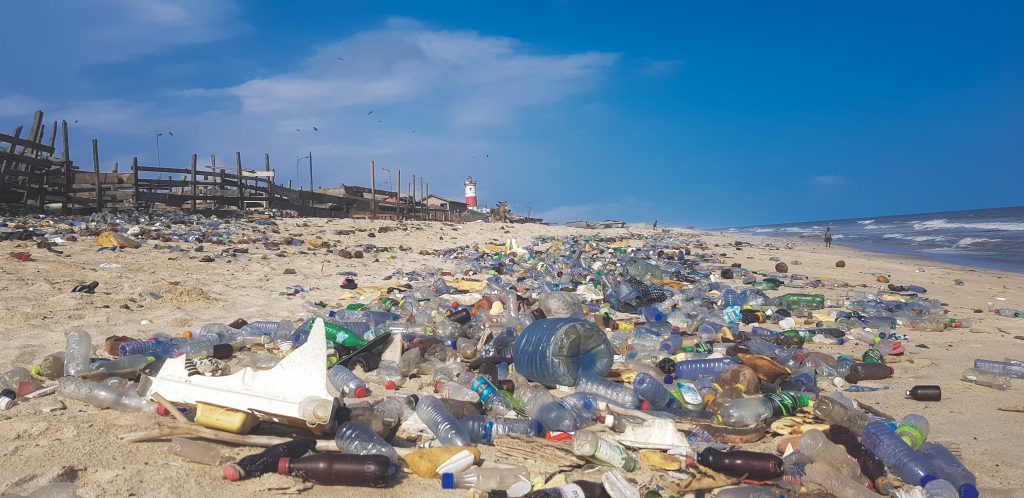
The frequent deaths of marine creatures by plastic have begun to influence consumer behavior. The damage caused by plastic waste is finally forcing consumer goods companies to take action. Rob Kaplan is one of the many that are taking action. His Singapore-based Circulate Capital Ocean Fund has raised $106 million to invest in solutions to the issue.
Asia’s rapid economic growth and consumption have outpaced its capacity to collect and manage waste. As a result, 60% of the 8 million tons of plastic that enters the world’s oceans every year comes from Asia.
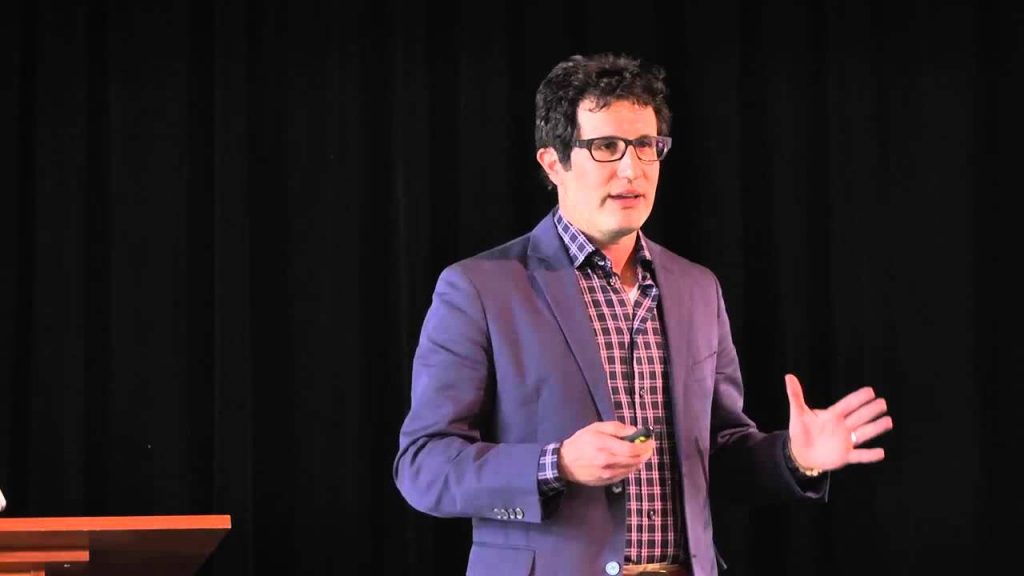
Kaplan, Walmart’s former head of sustainability in the U.S., moved to Asia at the start of 2019 to raise the fund. The fund’s investors include some big named brands such as Coca-Cola, PepsiCo, Danone, Dow Chemicals, Unilever, Procter & Gamble, and Chevron Phillips Chemical.
The Circulate Capital Ocean Fund will make debt and equity investments of $2-10 million into startups and established businesses that develop solutions for plastic waste from innovations in material to advanced recycling technology. The fund aims to announce its first investment in early 2020. At first, it will focus on India and Indonesia but might consider other deals in the Southeast Asia region.
Kaplan believes that even though there are technologies, such as bio-plastics and digital supply chain management. The fund’s most significant impact will be from making investments in mundane aspects of waste management.
One of the recycling industry’s biggest challenges is that recycled plastic is still more expensive to produce than virgin plastic. “All of our investors invested in us not to make a financial return. This is not how Danone and PepsiCo make money. What they’re interested in is getting access to this recycled material for their value chains,” said Kaplan.
The head of sustainability for Coca-Cola Asia Pacific, Matt Echols, said:
The beverage sector needs to continue offering consumers a choice of recyclable packaging formats and make it easy and convenient for consumers to be part of a circular economy. With the help of Circulate Capital, we can accelerate our move toward a circular economy, and this will ultimately reduce the amount of virgin materials needed in the sector.
The Circulate Capital Ocean fund isn’t the only one trying to tackle the plastic waste issue. In 2019, many large consumer goods and industrial companies signed up to pledges to reduce plastic use in their products and to produce alternative packaging. Unilever announced that by 2025 it would cut its plastic use by 50%. In January, 28 companies agreed to invest a combined $1.5 billion to fight plastic pollution, among them are Mitsui Chemicals, Sumitomo Chemicals, ExxonMobil, and Mitsubishi Chemical Holdings.


