
Water safety technology is riding a wave of innovation – pun intended. This epoch of advancements is defined by a few key breakthroughs, so stick around if you want to learn about the various tools and solutions at play in protecting us all from a cavalcade of contaminants.
AI’s Role in Detecting Hazards
AI systems in water safety are able to scan for harmful substances faster than any human can. These systems have algorithms that constantly evolve, improving accuracy with every use.
There are two components to a typical AI-enhanced contaminant detection setup:
- Advanced Sensors: These can sniff out even trace amounts of pollutants.
- Machine Learning Models: With data to hand, they can predict contamination sources before they become a problem.
For instance, a project in the UK made use of sensors placed in water sources, combined with satellite imagery, to identify how land around them is being used so that researchers could map out potential points of contamination ahead of time. With an accuracy rate of 90% during initial testing, this case study reflects a positive step for both local residents and the wider ecosystem alike.
In short, AI is able to provide cleaner and safer water at the same time as making anti-contaminant efforts far more efficient. It simply relies on widespread adoption to deliver benefits to as many people as possible.
Smart Filtration Systems Transforming Clean Water Access
It’s no secret that access to clean water is crucial, and smart filtration systems are stepping up. These advanced filters use modern tech to enhance efficiency and remove a wider range of pollutants.
Here’s what makes them stand out:
- IoT Integration: Connected devices monitor performance in real time.
- Adaptive Filters: Materials that target specific contaminants like lead or arsenic.
In places with poor infrastructure, these systems offer solutions for treating unsafe water sources. Since the health risks associated with PFAS exposure have become widely acknowledged, some filters now specifically target these persistent chemicals as well.
Some states have even enacted laws that make the latest filtration tech a legal requirement in public buildings. For example, Michigan implemented 2 bills to ensure filters are rolled out across facilities catering to children, including schools, on top of testing the supply regularly. This will provide a marked reduction in a range of pollutants, including lead and PFAS compounds.
Put simply, smart filtration guarantees safer drinking water without compromising on sustainability, making it ideal for urban areas and underserved regions worldwide. It’s a step toward universally accessible clean water.
Predictive Analytics Preventing Flood Damage
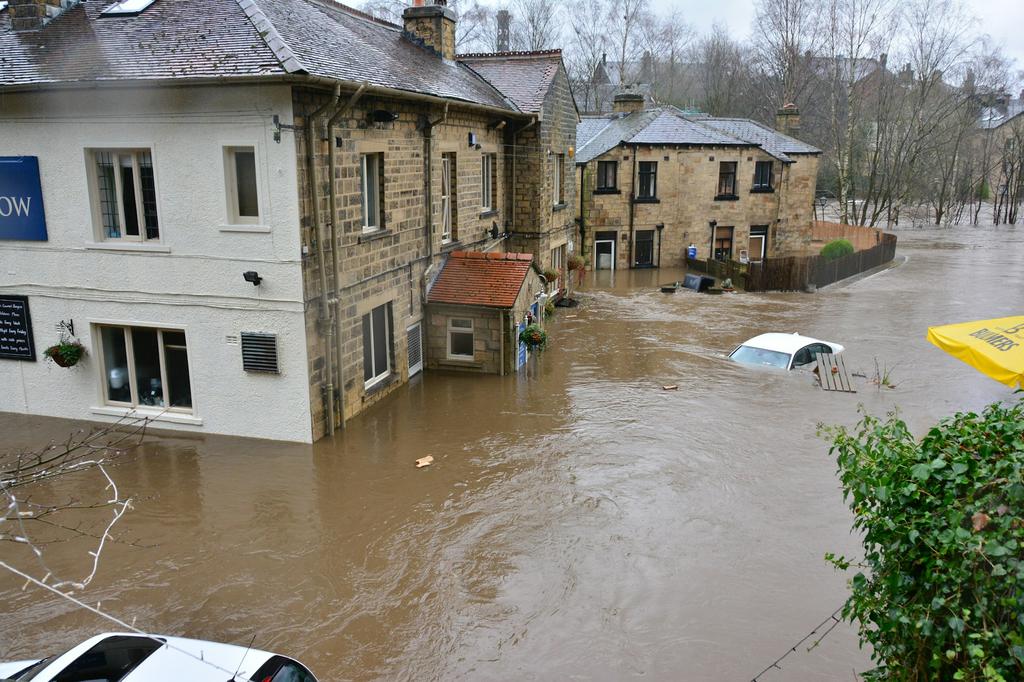
Floods can wreak havoc, and one of the often-overlooked issues they bring about is the contamination of water sources. Thankfully, the rise of predictive analytics is helping mitigate their impact.
Key features include:
- Historical Data Analysis: Patterns and past events guide predictions.
- Real-Time Sensor Input: Up-to-the-minute information on rainfall and river levels is available as needed.
With such technology, communities can better prepare for potential flooding. For example, in Indonesia, a predictive analytics project reduced flood-related damages by alerting authorities days in advance of potential surges. Local governments then coordinated evacuations and reinforced vulnerable infrastructure before disaster struck.
This foresight helps minimize property loss and safeguard lives. As climate change intensifies weather unpredictability globally, integrating predictive tools becomes ever more crucial to managing risk effectively, turning insights into action long before waters rise.
Satellite Imaging Enhancing Water Safety
We touched on how satellites can be used in water safety efforts earlier, and there’s more to this tech than meets the eye. Basically, they can offer a big-picture view that traditional methods can’t match.
Here’s how satellite imaging helps:
- Large-Scale Monitoring: Keep tabs on vast bodies of water quickly.
- Detection of Algal Blooms: Identify harmful growths threatening ecosystems.
By using satellites, researchers track changes in water bodies and detect potential hazards early. For instance, in Florida, agencies employ satellite imagery to monitor red tide outbreaks along the coastline. Early detection allows timely interventions, minimizing impacts on marine life and local economies.
Additionally, this tech aids governments and NGOs in managing transboundary rivers or lakes by providing unbiased data accessible to all parties involved. The benefits include improved resource management and healthier waterways for everyone relying on them daily.
Wrapping Up
As you can see, water safety is being improved internationally as a result of technology’s influence. While we may not be at a point where every person has unfettered access to clean drinking water, recent breakthroughs like these put us a lot closer to this aim.

