
Natural disasters like floods can have devastating effects on communities, destroying homes, disrupting lives, and leading to significant financial hardship. While it’s impossible to completely prevent floods, understanding how to legally protect your rights in the aftermath is crucial for recovery.
This piece aims to guide affected individuals through the maze of legal considerations following a flood. From insurance claims to federal aid, we will explore how to safeguard your rights and ensure you have the necessary tools to rebuild and recover effectively.
Navigating Insurance Claims
If you’re wondering, should I buy a home in a flood plain, researching the risks and insurance options can help you make an informed decision. Understanding the potential challenges ensures you’re prepared for any future financial or structural impacts.
Immediately after a flood, it’s essential to document all damages meticulously. Take photographs, keep receipts, and maintain a detailed inventory of losses. Dealing with insurance companies requires persistence and attention to detail. Ensure you understand your policy’s specifics, including what is and isn’t covered. Navigating the complexities of insurance claims often feels overwhelming, but it’s a critical step in the recovery process.
If disputes arise, consider seeking assistance from legal professionals who specialize in insurance law. They can provide invaluable guidance, helping ensure your claims are fairly assessed and compensated. If you live in Burlington, for example, researching flood damage claims in Vermont and consulting with a Burlington lawyer may help improve your chances of securing an adequate settlement. Keep in mind that insurance law varies from state to state, and local legal representatives are best positioned to guide you through the specifics of your case.

Understanding Federal Aid and Assistance
In the wake of a flood, federal aid can provide crucial support. Familiarize yourself with the Federal Emergency Management Agency (FEMA) and the assistance programs it offers. Applying for aid requires timely submission of applications and adherence to specific criteria.
Receiving federal aid entails navigating a bureaucratic process that may seem daunting at first. However, proper preparation and understanding of the necessary documentation can streamline the process. When applying for aid, keep records of all correspondence and submissions and stay informed about deadlines and requirements to maximize the chances of receiving assistance.
Legal Options for Dispute Resolution
Disputes may arise from insurance claims or aid applications. Understanding your legal options is imperative. Mediation or arbitration can offer alternative dispute resolution paths, potentially avoiding the time and cost associated with court litigation. For disputes that cannot be resolved through mediation or arbitration, litigation might be necessary. Consulting with an experienced attorney can provide clarity on the feasibility and potential outcomes of taking legal action.
A lawyer can help you understand your rights, prepare your case, and represent you in court if required. Seeking legal advice early in the process can help you navigate disputes effectively and protect your interests. Additionally, suppose your property was damaged due to negligence on the part of another party, such as a government agency or private company. In that case, you may also have grounds for a legal claim. In some cases, this can lead to compensation and aid recovery.
Protecting Your Property: Mitigation and Adaptation
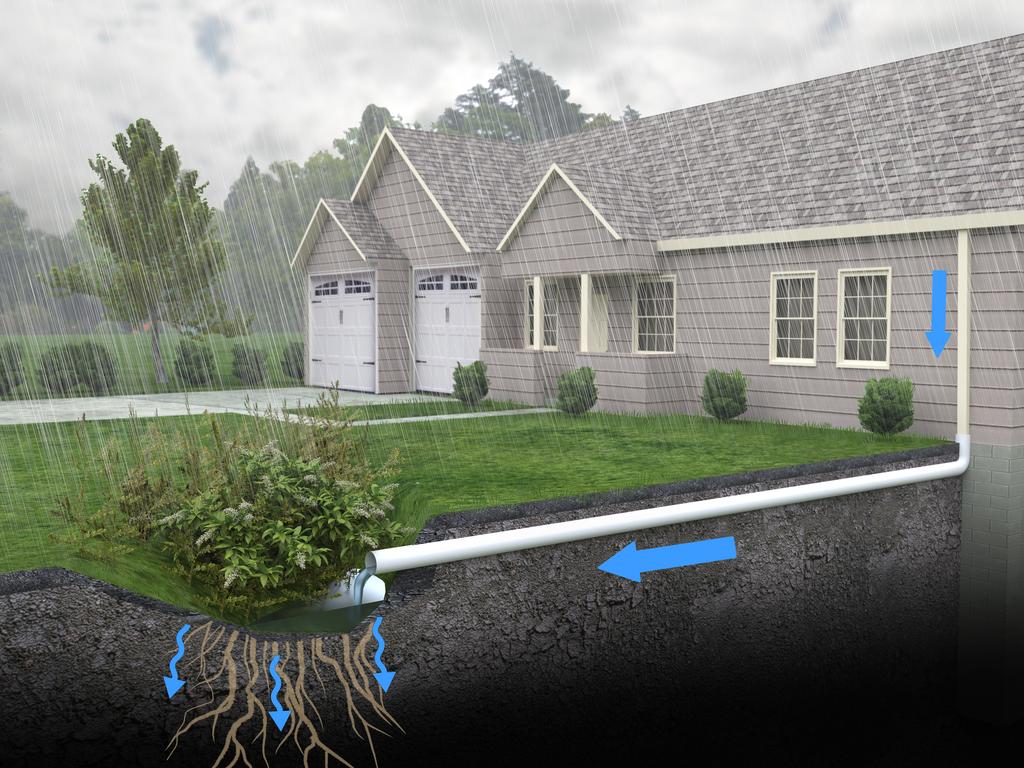
Mitigation and adaptation strategies are essential in minimizing future flood risks and protecting your property. Implementing physical barriers such as floodwalls or levees, elevating your home, and installing sump pumps and backflow valves can significantly reduce the risk of flood damage. Additionally, landscaping changes should be considered to improve drainage and reduce surface water run-off. These actions not only safeguard your property but can also have a positive impact on your insurance premiums and improve your home’s overall resilience to flooding.
Beyond physical modifications, understanding local floodplain management policies and zoning laws is crucial. These regulations are designed to manage and mitigate flood risk in your area. Participating in community flood preparedness programs can also provide valuable information on how to effectively prepare for and respond to flooding events. Staying informed and engaged with your community’s efforts to combat flooding can make a tangible difference in your ability to protect your property and rights.
Community Resources and Support
In the aftermath of a flood, community resources and support networks become invaluable. Local NGOs, community centers, and social services agencies often launch initiatives aimed at assisting affected individuals and families. These resources can offer immediate relief in the form of food, shelter, and clothing, as well as longer-term support like counselling services and financial aid.
Leveraging these resources is critical to overcoming a disaster’s emotional and physical toll. Additionally, community forums and workshops provide a platform for sharing experiences and advice on recovery efforts, further fostering a sense of solidarity and resilience among survivors.
Beyond immediate post-disaster aid, community-based organizations may facilitate recovery by offering guidance on legal rights, insurance claims, and federal assistance programs. Engaging with these organizations can enhance your understanding of available recovery options and the processes involved.

Health Considerations Post-Flood
Floods can pose serious health risks from contaminated water and the spread of disease. It’s crucial to prioritize health and safety by using clean water, avoiding floodwaters, and staying informed about public health advisories.
Seeking medical attention for injuries or health issues that arise post-flood is essential. Additionally, mental health support may be necessary as the psychological impact of natural disasters can be profound. Resources such as counselling or support groups can be valuable in navigating these challenges.
Rebuilding with Resilience
The process of rebuilding after a flood offers an opportunity to construct with resilience in mind. Utilizing flood-resistant materials and building methods can reduce future damage. Beyond physical rebuilding, strengthening community networks and disaster preparedness plans can enhance resilience against future floods.
Engaging with local planning and zoning efforts can also ensure rebuilding efforts align with broader community resilience objectives. Investing time and resources into rebuilding smarter and stronger can provide greater security and peace of mind in the face of future natural disasters.
Navigating the aftermath of a flood is undeniably challenging, yet understanding your legal rights and the resources available to you can significantly aid in the recovery process. By diligently pursuing insurance claims, seeking federal aid, exploring dispute resolution options, and implementing property protection measures, you can lay a solid foundation for recovery. Additionally, drawing on the strength of community resources and prioritizing health considerations are critical steps toward overcoming such a disaster’s immediate and long-term effects.


