
The holidays are just around the corner, and you know what that means! Delicious, calorie-dense foods!
While the holidays are typically associated with indulging in your beloved meals, there’s no need to overeat and feel bloated. By making some simple adjustments to your recipes, you can avoid the discomfort of having to unbutton your pants or hastily resort to stretchy sweatpants.
If you’re seeking assistance in cooking healthier meals, this guide provides various options worth considering. Take a glance below and find what suits your menu!
1. Use Veggies as a Foundation
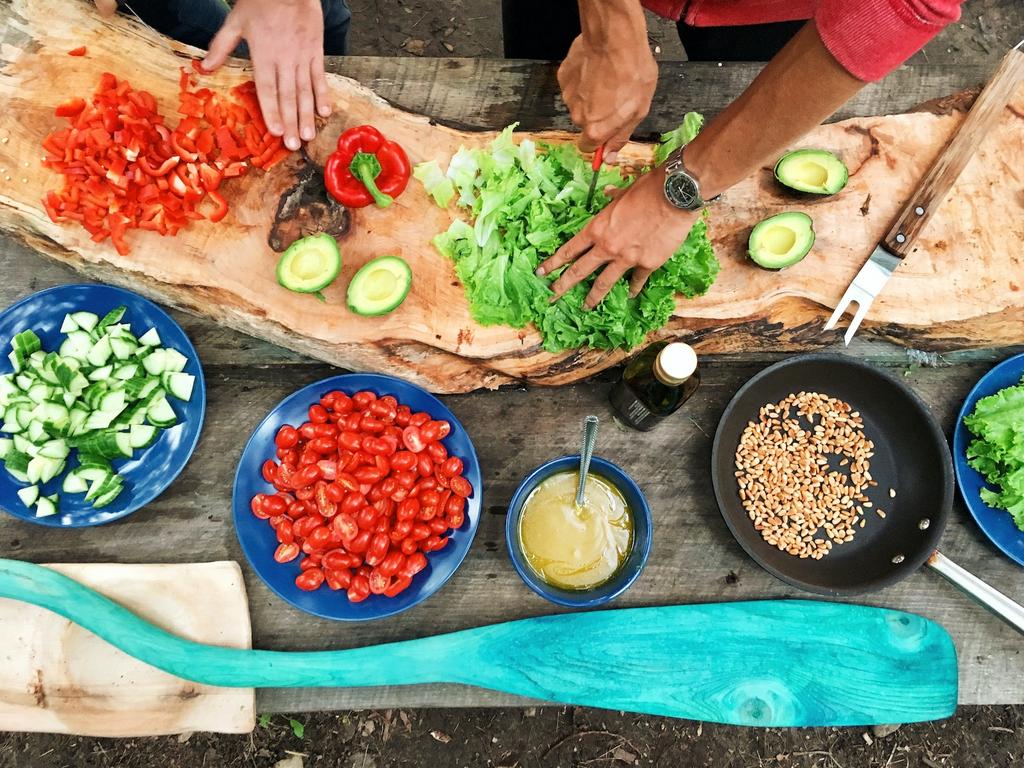
One of the best tips for cooking light is to add more veggies to your plate.
Vegetables don’t have many calories unless they are coated in butter and sugar. You can fill up with more food and fewer calories by building meals around veggies. It’s common for people to design their meals around starch or protein, but these ingredients are heavier.
If you have a hard time getting away from carbs, there are healthier alternatives available. Many noodle companies now sell pasta made partially or fully with veggies and beans. These options don’t have as many calories and don’t expand as much after consumption, which helps beat bloating.
Veggies, especially eaten raw, have water, vitamins, and antioxidants. All of these characteristics make dishes feel lighter, and you won’t feel guilty when you’re eating your way to your health! By the way, speaking of healthy choices, have you wondered, “Are fruit snacks vegan“?

2. Add Citrus
If you watch the cooking shows, the chefs always hard on the contestants to add citrus to rich dishes. Citrus juice and zest can quickly brighten up a dish, whether you’re making pasta, tacos, or baked goods. Lemons, limes, and oranges are popular to add to dishes, but you can also try grapefruit and pomelos.
Splashing in some citrus juice can make dishes taste brighter and lighter with their vibrant flavors. Not only does it give the pallet a break from rich dishes, but it can also make the flavors more cohesive. A good dish needs balanced flavors that create depth and appeal to various taste buds.
3. Customize Recipes
Unless you’re baking, you typically don’t need to follow recipes down to the last detail. Healthy cooking can still be a fun experience if you adjust recipes to your liking. To impart the knowledge of healthy cooking to your kids, feel free to involve them in the culinary process by making meals fun and interactive. Consider using a convenient and nutritious kid meals delivery service, which can save time while ensuring you’re feeding your family quality, balanced meals full of flavor.
If a recipe calls for limited seasonings, you don’t need to feel restricted. Enjoying the flavors and dishes will help you stick with healthy eating and avoid going back to harmful habits. In addition to spices, you have the flexibility to modify the proteins and starches or incorporate extra ingredients. To impart the knowledge of healthy cooking to your kids, feel free to involve them in the culinary process. Teaching them healthy habits is crucial, especially in a society dominated by fast food, so they don’t become dependent on processed foods.
4. Use Plant-Based Ingredients
The discussion between vegan vs raw vegan lifestyles can be perplexing, but consuming plant-based foods can help alleviate bloating after meals. While certain plant-based foods may contain sugars and additional ingredients leading to fat, the majority do not. Plant-based foods are gaining popularity as brands strive to promote their newest products in stores.
If you want to lighten dishes, skipping on meat and dairy products can help. Plant-based foods use a variety of fruits, veggies, beans, and grains to create ingredients that resemble your favorites. You can easily incorporate these into your meals, and the best part is that you don’t have to worry about cross-contamination!
5. Avoid Cheese
Cheese can add a lot of flavor to your food but can also make dishes too dense and rich. If your meal calls for cheese, you can opt for plant-based choices or cut the amount in half. Including fewer amounts of cheese in dishes enhances the base of their taste, making them more lively. Chefs tend to refrain from adding cheese to delicate ingredients, such as fish, to avoid overpowering or creating a heavy mouthful.
For those aiming to make their dishes healthier, omitting cheese can be one of the more challenging lifestyle changes. If you don’t consider cheese an essential ingredient, excluding it will allow you to utilize the calories in a more beneficial way.
6. Remove the Skin
Chicken and turkey are good proteins for healthy living because they are lean, but certain cooking styles can make them unhealthy. Removing the skin, which is often everyone’s favorite part, can help brighten up dishes. Whether you sautee, bake, or fry the meat with its skin, you need to add fats like oil and butter to prevent burning.
Prior to slicing the meat, it’s good practice to remove the top layer, which contains the majority of the calories. Poached meat lacks flavor and is unappealing. However, if you cook the protein in the usual manner and subsequently remove the skin, you will still retain the savory flavors and moisture within the meat.
7. Cook in Liquids
Often, people make their dishes with oils and butter, which can increase the richness of your plate. Cooking in liquids, such as broth, lemon juice, and wine, can be more beneficial to your body. These ingredients don’t have as many calories and won’t make your food as dense. Instead, they will offer more flavor to the dish and keep the food moist.

8. Fill Your Pantry with the Right Starches
A balanced diet includes starches; they help bring a dish together and absorb other foods. If you want to cook light and healthy dishes, however, you need to invest in the right types of starch. Quinoa and couscous are comparable to rice and barley, but they offer more flavor and health benefits.
These low-calorie starches will help you fill up on meals, which is why many vegetarians and vegans include them in their diets. The best part about cooking with quinoa is that it also provides protein. This ingredient can easily be the foundation of any dish.
Start Cooking Healthy and Delicious Dishes
Starting to cook light doesn’t require emptying out your fridge and pantry completely. By making small adjustments, you can add a fresh touch to your meals and decrease daily bloating. Prioritizing vegetables and healthy starches will assist you in maintaining this lifestyle change, but it’s important not to overlook the need to cook differently. Utilizing seasonings can be your greatest asset in discovering new and exciting flavor combinations that don’t rely heavily on butter or oil.
If you feel overwhelmed by the prospect of cooking healthier meals during the holidays, fear not! With a few simple adjustments, you can indulge in delicious dishes without the uncomfortable aftermath. So, don’t hesitate to take the leap and start cooking light and healthy dishes this holiday season!

