
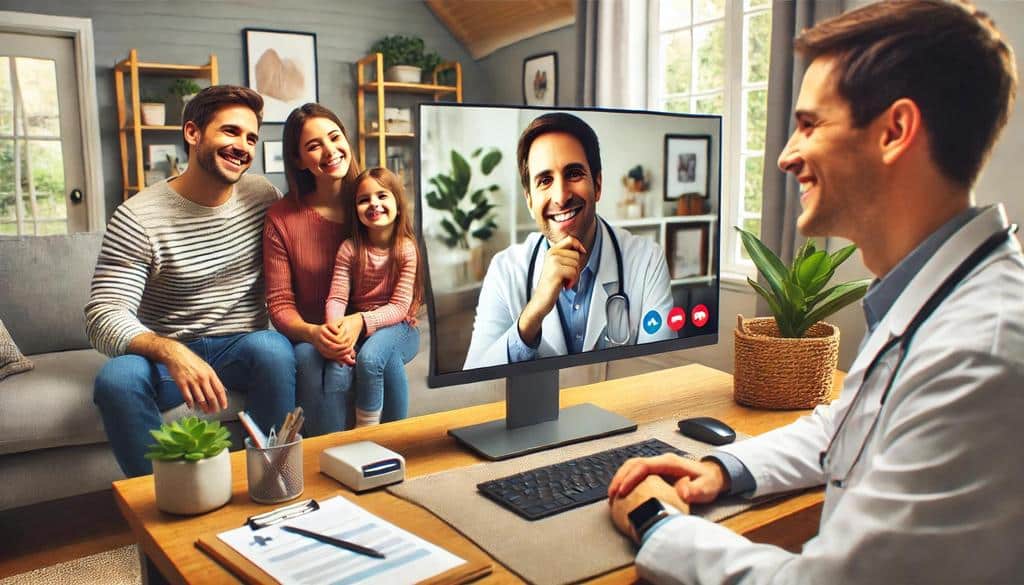
As the healthcare landscape continues to evolve, telemedicine emerges as a vital solution, enabling patients to access medical services remotely. This innovative approach utilizes various technologies, including video conferencing and mobile applications, allowing individuals to receive care without needing to visit a clinic. Telemedicine’s growing importance is highlighted by its ability to bridge gaps for those in rural or underserved areas, offering convenience and efficiency to both patients and healthcare providers.
Numerous factors come into play when selecting a telemedicine platform. A successful choice requires a thorough assessment of technical compatibility, user-friendly interfaces, compliance with privacy regulations, and scalability to adapt to future needs. Additionally, insights gleaned from user feedback and reviews can guide decision-making, ensuring that the platform aligns with its users’ practical and emotional needs. By exploring these dimensions, healthcare providers can establish a robust telemedicine framework that delivers quality care efficiently and effectively.
Solutions like Canvas Medical illustrate how modern platforms can balance usability, compliance, and scalability, helping providers deliver telemedicine that is both efficient and patient-focused.
Definition of Telemedicine
Telemedicine delivers healthcare services and consultations remotely. It employs a variety of technologies, including video conferencing, phone calls, emails, and mobile applications. This method enables patients to obtain medical advice without having to travel to a clinic or hospital in person.
The Growing Importance of Telemedicine
Telemedicine has become an increasingly significant component of healthcare, driven by technological advancements and the need for more accessible medical services.
Telemedicine provides essential support for patients living in rural or underserved areas. Many of these individuals face challenges in accessing healthcare facilities. By offering remote consultations, telemedicine makes it easier for them to receive the care they need.
Patients can consult with specialists who may not be available locally, ensuring a higher standard of care. Telemedicine benefits patients by saving both time and money. They no longer need to travel long distances for medical consultations. This remote approach offers greater flexibility in scheduling appointments, making it especially useful for follow-up visits and routine check-ins.
The COVID-19 pandemic underscored the significance of telemedicine. By reducing in-person interactions, it helped lower the risk of infection during a critical period. Telemedicine can be crucial in disaster situations where traditional healthcare infrastructure may be compromised.

User-friendly Interface
A user-friendly interface directly impacts healthcare providers’ and patients’ experience and effectiveness. Many patients may not be tech-savvy, but a user-friendly interface ensures they can easily navigate the platform, schedule appointments, access medical records, and communicate with healthcare providers without frustration.
Healthcare professionals can prioritize patient care instead of grappling with complicated software. This shift allows them to dedicate more time and attention to their patients’ needs. This ease of use allows them to efficiently manage appointments, access patient information, and conduct virtual consultations.
A straightforward and intuitive interface encourages patients to engage more with their healthcare. They are more likely to keep up with appointments, follow treatment plans, and use the platform’s features for better health management.
Complex interfaces can lead to mistakes, such as incorrect appointment scheduling, miscommunication, or improper use of medical records. A user-friendly design minimizes these errors, ensuring smoother and safer interactions.
HIPAA and GDPR Compliance
When choosing a telemedicine platform, ensuring compliance with HIPAA (Health Insurance Portability and Accountability Act) and GDPR (General Data Protection Regulation) is crucial due to the sensitive nature of healthcare data.
Telemedicine platforms need to guarantee the security of patient data. This involves storing, transmitting, and accessing information in a safe manner. Key measures include using encryption and secure data storage solutions. Additionally, communication channels must be protected. It is essential that patient information remains available only to authorized individuals and that it is not shared without patient consent.
GDPR gives patients rights over their data, including the right to access, correct, and delete their data. Telemedicine platforms must have mechanisms in place to facilitate these rights. Even if a telemedicine platform is based outside the EU, it must comply with GDPR if it processes the data of EU citizens. This has a global implication for how telemedicine providers handle data.
Platforms should clearly explain how patient data will be utilized. It is essential to obtain explicit consent from patients before processing their data. This transparency helps build trust between patients and the service providers.

Integration with Existing Systems
Integration with existing systems can significantly impact the overall efficiency, user experience, and effectiveness of the telehealth services provided.
A telemedicine platform that seamlessly integrates with your existing EHR system allows for smooth data flow between the systems. This integration reduces the need for manual data entry. As a result, it minimizes the risk of errors and saves time for healthcare professionals. Integration with billing systems and insurance providers streamlines the billing process, ensuring accurate and timely reimbursement for services rendered.
When patients have access to their telemedicine appointments, medical records, and other health services through a single portal, their experience improves significantly. This centralized access enhances overall satisfaction. Furthermore, communication tools such as email, SMS, and patient apps provide consistent and timely updates. Patients can easily receive information regarding their appointments, treatment plans, and follow-up procedures.
Scalability
Scalability determines the platform’s capacity to grow and adapt to increasing demands over time.
As the popularity of telemedicine continues to rise, the number of patients using the platform is likely to increase. A scalable telemedicine platform should be able to accommodate this growth without compromising on performance, reliability, or user experience. The platform should have a robust server infrastructure that can handle a growing number of simultaneous users without crashing or slowing down.
The healthcare landscape is constantly changing. New technologies, treatments, and regulatory requirements emerge regularly. For this reason, a scalable telemedicine platform must be adaptable. It should easily incorporate new features or services as they become available.
The design of the platform should focus on a modular architecture. This allows for the addition of new functionalities without requiring extensive rework. Potential modules could include video consultations, electronic health records, billing, and more.
The ability to integrate with third-party applications and services through Application Programming Interfaces (APIs) is essential. This integration enhances the platform’s functionality and ensures seamless workflows.
This allows for the seamless addition of new features like AI-driven diagnostics, wearable device data integration, or advanced analytics.
Scalability also involves the platform’s ability to adapt based on user feedback. Regular updates and improvements should be part of the platform’s lifecycle to meet the changing needs of both patients and healthcare providers.
As new features are added, the platform must continue to comply with regulatory standards such as HIPAA in the U.S. or GDPR in Europe. Strong security measures are essential to safeguard patient data, which is a top priority in maintaining privacy and trust.

Technical Considerations and Compatibility
Technical considerations and compatibility are vital factors when choosing a telemedicine platform. These elements can greatly influence the service’s effectiveness. Additionally, they play a significant role in shaping the user experience and overall success of telemedicine offerings.
The platform should seamlessly integrate with existing medical systems to ensure smooth data exchange and avoid work duplication.
The telemedicine platform should be compatible with various devices, including desktops, laptops, tablets, and smartphones. It should support major operating systems like Windows, macOS, iOS, and Android. Compatibility with medical devices such as digital stethoscopes, otoscopes, and blood pressure monitors can enhance remote examination capabilities.
User Feedback and Reviews
Reviews provide real-world insights from actual users about their experiences with the platform. This includes ease of use, functionality, reliability, and overall satisfaction. Knowing how other users interact with the platform can help gauge whether it will meet your needs.
Feedback often highlights the quality of service the platform provides, including the responsiveness of customer support, healthcare providers’ professionalism, and the technology’s effectiveness.
Users often comment on specific features and functionalities like video quality, appointment scheduling, and prescription management. This information can help you determine if the platform offers the required tools and capabilities.
Positive reviews are essential in establishing trust and credibility for the platform. When potential users see favourable feedback, they are more likely to feel confident in choosing that service. Conversely, negative reviews, especially if they are recurrent and consistent, can be a red flag indicating potential issues with the service.
Factors in Choosing the Right Telemedicine Platform
Selecting the ideal telemedicine platform involves a complex decision-making process. It requires careful evaluation of several important factors to ensure the best fit for your needs.
As telemedicine continues to grow in importance, driven by technological advancements and the need for more accessible healthcare services, selecting a platform that meets regulatory requirements and user expectations is essential.
A user-friendly interface is essential for allowing both healthcare providers and patients to navigate the platform easily. This ease of use enhances their overall experience and reduces the likelihood of errors. Additionally, due to the sensitive nature of healthcare data, compliance with HIPAA and GDPR is critical. Therefore, platforms must implement strong security measures to protect this information effectively.
Integrating existing systems, including EHRs and billing, can streamline operations and improve data accuracy. Scalability ensures that the platform can grow and adapt to increasing demands and evolving healthcare needs. Technical considerations and compatibility with a variety of devices and medical equipment further enhance the platform’s utility and effectiveness.
User feedback and reviews offer essential real-world insights that inform decision-making. They help you identify a reliable, effective, and respected platform by its users. This information is critical for making an informed choice.

