
A professionally applied rendering does more than just modernise a property; it acts as a robust shield against the elements, improving both the appearance and durability of your home. For homeowners with monocouche, silicone, acrylic, or traditional finishes, investing in external render care effectively preserves that pristine, just-finished look for years to come.
Even when experienced render installers have applied the finish, ongoing maintenance remains essential. High-quality workmanship sets the foundation for durability, but environmental conditions, weather exposure, and everyday dirt can still affect the finish over time. Neglecting these minor factors often leads to purely cosmetic issues turning into structural concerns.
Fortunately, rendered walls are generally low-maintenance compared to other facade types. By following a few simple routines—such as annual cleaning and early algae removal—you can prevent premature wear and extend the lifespan of your wall system significantly.
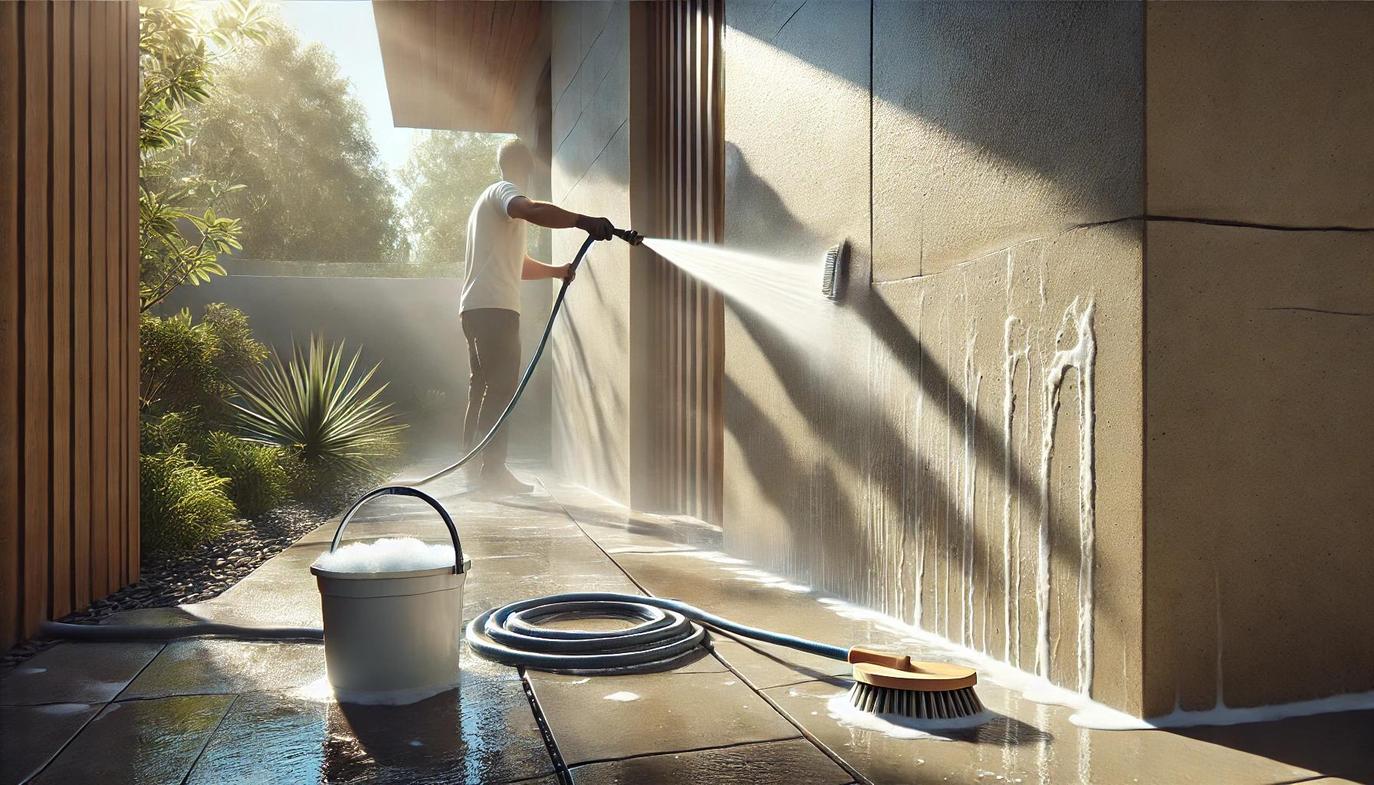
1. Annual Render Cleaning Protocols
External walls naturally accumulate dirt, pollution, and dust throughout the year. A gentle annual clean will help maintain the render’s colour and appearance.
Safe Cleaning Techniques for Render
- Use a garden hose or low-pressure washer
- Avoid high-pressure jets, which can damage the surface
- Combine mild soapy water with a soft brush for stubborn areas
Adopting a simple routine prevents buildup and keeps the render looking vibrant.
2. Remove Algae, Moss, and Mildew Early
Shaded or north-facing walls can sometimes develop algae or moss growth. Microscopic spores are not harmful at first but often spread and cause staining if ignored.
Steps to Maintain a Pristine Finish
- Apply a render-safe biocide treatment
- Use a soft brush to remove growth
- Rinse lightly after treatment
Regular cleaning prevents deeper staining and helps the render stay bright.
3. Routine Inspection for Cracks and Surface Defects
Even professionally installed render can develop small cracks due to building movement or extreme weather. Although often minor, address these issues quickly to prevent moisture from penetrating the substrate.
Identifying Common Surface Issues
- Hairline cracks
- Chips or flaking
- Uneven patches
- Areas where the render feels hollow
If you notice damage, contact a professional before it spreads.
4. Maintenance of Gutters and Drainage Systems
Poor drainage is a primary cause of structural and aesthetic render damage. Leaking gutters, overflowing downpipes, or damaged roof tiles cause water to run down the walls repeatedly. Constant exposure leads to unsightly staining and a weakening of the surface structure.
Managing Water Runoff and Drainage
- Clean gutters and downpipes twice a year
- Inspect roof edges for broken tiles
- Check that rainwater flows away from the wall correctly
Good drainage keeps moisture off the render and prevents long-term damage.
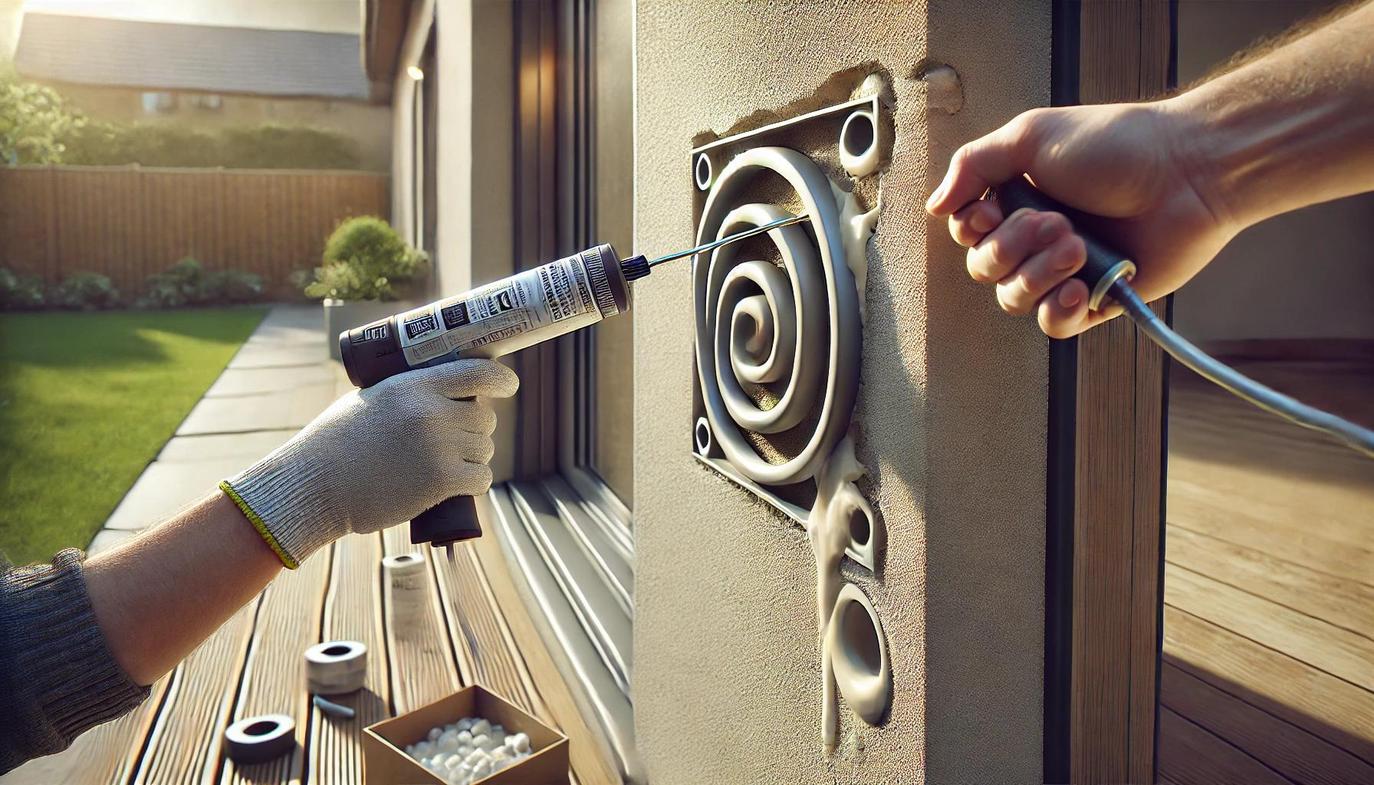
5. Avoid Drilling into or Damaging the Render
Mounting decorations, hanging baskets, or fixtures directly onto rendered walls can create weak spots where water seeps in.
Best Practices for Wall Fixtures
- Use weatherproof fixings
- Seal the hole properly after installation
- Consider alternative mounting options
Protecting the integrity of the render helps maintain waterproofing.
6. Protecting Facades from Impact Damage
Rendered walls can withstand everyday weather, but they are vulnerable to strong impacts.
Common Sources of Impact Damage
- Garden tools
- Outdoor furniture
- Ladders
- Bicycles
A little caution can prevent unnecessary cosmetic damage.
7. Proactive Biocide Treatments for Long-Term Protection
Homes situated in damp climates or near heavy foliage are particularly prone to recurring organic growth. To combat this, applying a proactive biocide treatment every 2–3 years helps maintain a pristine finish. Consider this treatment if:
- Green Staining Appears: Early signs of algae are visible.
- North-Facing Walls: Shaded areas trap moisture longer.
- Damp Conditions: The property is in a high-humidity zone.
Homeowners frequently overlook this preventative step. However, regular application effectively safeguards the facade against deep-rooted biological growth.
8. Scheduling Professional Assessments and Repairs
If your render is several years old or has endured extreme weather cycles, a DIY check may miss subtle warning signs. A professional inspection provides a comprehensive assessment of the facade’s health. Experts typically examine:
- Adhesion Quality: Ensuring the render has not blown or detached.
- Moisture Levels: Checking for hidden water ingress.
- Structural Integrity: Identifying deep cracks versus surface hairlines.
Identifying these issues early allows for targeted repairs. This proactive approach prevents minor defects from escalating into costly renovation projects.

Final Thoughts on Render Maintenance
Maintaining render installed by professionals does not require heavy labour, but consistent attention ensures the facade remains attractive and structurally sound. Keeping the walls clean, addressing algae growth early, and checking for minor cracks allows homeowners to protect their investment without the need for expensive repairs. A proactive approach to drainage and surface protection further guarantees that the exterior retains its weatherproofing properties.
The longevity of any render system depends on a partnership between quality installation and regular care. While routine cleaning can be handled personally, never hesitate to book a professional inspection if you suspect structural damage or deep staining. Preserving the quality finish delivered by your render installers ensures your home continues to make a striking first impression.
Frequently Asked Questions About External Render Care
How often should I clean rendered walls?
Perform a gentle clean once a year to remove surface dust and pollution. Homes in high-traffic or coastal areas may require cleaning twice a year to prevent buildup.
Can I use a high-pressure washer on render?
No, high-pressure jets can strip the surface texture and damage the substrate. Always use a low-pressure washer or a garden hose with a fan spray setting.
What is the best way to remove green algae?
Apply a render-safe biocide treatment during dry weather. Let it work for the recommended time before gently brushing the area and rinsing with low pressure.
Why does my render have hairline cracks?
Small cracks often result from natural building movement or thermal expansion. While common, they should be sealed quickly to prevent water ingress and freeze-thaw damage.
Do I need to paint silicone render?
Silicone render is through-coloured, meaning it does not typically require painting. Cleaning is usually sufficient to restore its appearance, though breathable paints are available if a colour change is desired.

