
Stress is an increasingly common challenge in our fast-paced world. It can drain our energy and leave us feeling exhausted. Fortunately, there are effective solutions available. By incorporating calming techniques into our daily lives, we have the opportunity to enhance our overall well-being. These practices serve as pathways to a more tranquil existence, promoting relaxation and renewal rather than merely offering temporary relief.
It’s crucial to prioritize effective stress management strategies for the sake of both our mental and physical health. In this article, we will delve into various relaxation methods designed to help you unwind and recharge.
Join us as we uncover the life-changing techniques that can lead to a more peaceful state of mind.
The Value of Efficient Stress Management
Stress is an unavoidable aspect of life. While some tension is a natural part of being human, extended periods of stress can have detrimental effects on our health. This persistent strain can harm both our mental and physical well-being, often leaving us feeling overwhelmed and powerless.
To mitigate these impacts, developing effective strategies for managing stress is essential. By cultivating mindful approaches, we can navigate the challenges that arise and maintain our balance amid life’s demands.
Excessive stress can lead to a range of negative consequences, including:
- Physical Health Concerns: Heart disease, gastrointestinal disorders, and immune system weakness are a few instances of serious physical health difficulties.
- Mental health issues: These comprise sadness, worry, and difficulties focusing.
- Relationship Strain: Enhanced irritation and disagreement with close ones are signs of strained relationships.
- Reduced productivity: Having trouble focusing and making decisions.
Juul pods are often suggested as a method for reducing stress. These products contain chemicals that can create a strong appeal, attaching themselves to the brain with a surprising intensity. While they may provide a brief sense of calm, repeated use can make this effect more pronounced. However, it is important to recognize that these substances are frequently marketed as quick solutions for stress relief despite their potential negative consequences.

Meditation and Mindfulness: Developing Inner Peace
Mindfulness serves as a dependable guide towards inner peace amidst the turbulent waves of contemporary existence. It’s the skill of soft awareness, of impartially perceiving ideas and emotions. We may change the way we react to stress and take a proactive rather than reactive approach by practicing this mindful presence. It’s similar to finding a tranquil secret island amid life’s turbulent waves. The goal of mindfulness is to find calm inside the storm, not to run away from it.
Meditation Techniques
The foundation of mindfulness practice is meditation. There are several methods to investigate:
- Guided meditation: In guided meditation, you listen to a recorded voice or have an instructor guide you.
- Unguided meditation: Concentrates on mental exploration on one’s own.
- A particular method of meditation called transcendental meditation involves repeating a mantra.
Basic Meditation Steps:
- Choose a calm area where you can comfortably sit or lie down.
- Pay attention to your breathing, noticing each inhalation and exhalation objectively.
- Remind yourself to gradually return to your breathing if thoughts come up.
- Start with little meditation sessions and work your way up to longer ones.
Incorporating mindfulness and meditation into your daily routine can significantly enhance your ability to manage stress. These practices help create a sense of stability and clarity, allowing you to respond to challenges with a renewed perspective. By consistently dedicating time to meditate, whether through guided sessions or personal exploration, you build a resilient mental framework that can weather life’s storms. You could even try using hypnosis apps to take your relaxation to the next level!
Remember to start with small meditation periods, gradually extending the time as you grow more comfortable. Embrace the journey towards mindfulness; through dedication and practice, you can cultivate a lasting inner peace that guides you through both calm and turbulent times.

Physical Activities: A Stress-Relief Strategy
Stress is a subtle yet damaging force that negatively impacts both our physical and emotional health. It is an ever-present challenge in modern life, often manifesting as a persistent source of discomfort. Regular exercise has long been celebrated for its numerous benefits, serving as a powerful ally against this common affliction.
Engaging in physical activity not only strengthens our bodies but also fosters mental clarity and calmness. By incorporating movement into our daily routines, we create a mental refuge that helps combat stress and promotes overall well-being.
Yoga: Connecting Mind and Body
Yoga is an ancient practice that offers a holistic approach to stress reduction. It combines both breath control and physical postures to foster a sense of tranquility and balance.
Asanas, or yoga postures, are designed to enhance flexibility, strength, and relaxation. Each position promotes physical well-being while encouraging mindfulness.
Pranayama encompasses various breathing techniques that help regulate the breath and calm the mind. Through these practices, yoga nurtures both the body and mind, creating a pathway to inner peace rather than merely serving as a form of exercise.
By embracing yoga, individuals embark on a journey towards profound calmness and overall wellness.
The Advantages Of Yoga For Stress
- Alleviation includes a decrease in cortisol levels, which are a sign of stress.
- Enhances awareness of the body and flexibility.
- Encourages mindfulness and relaxation.
- Improves the quality of sleep.
Suggested Yoga Poses to Help You Unwind:
- Infant position (Balasana)
- Dog oriented downward (Adho Mukha Svanasana)
- Body stance (Savasana)
In addition to yoga, many people explore taking a supplement for high cortisol to help regulate stress levels and support overall well-being.
Exercise: Taking the Path to Well-Being
Being active is one of the best approaches to reducing stress. Frequent exercise encourages the release of the human body’s natural mood boosters, endorphins.
How engaging in physical activity lowers stress:
- Escape from stressful situations.
- Elevated self-worth and happiness.
- Elevated vitality.
- Better sleep quality.
Instances Of Productive Workouts
- Cardiovascular workouts include biking, jogging, and swimming.
- Weightlifting and workouts with your personal body weight are components of strength training.
- Mind-body exercises: Tai Chi, Pilates.
Breathing Exercises: Your Pathway to Relaxation
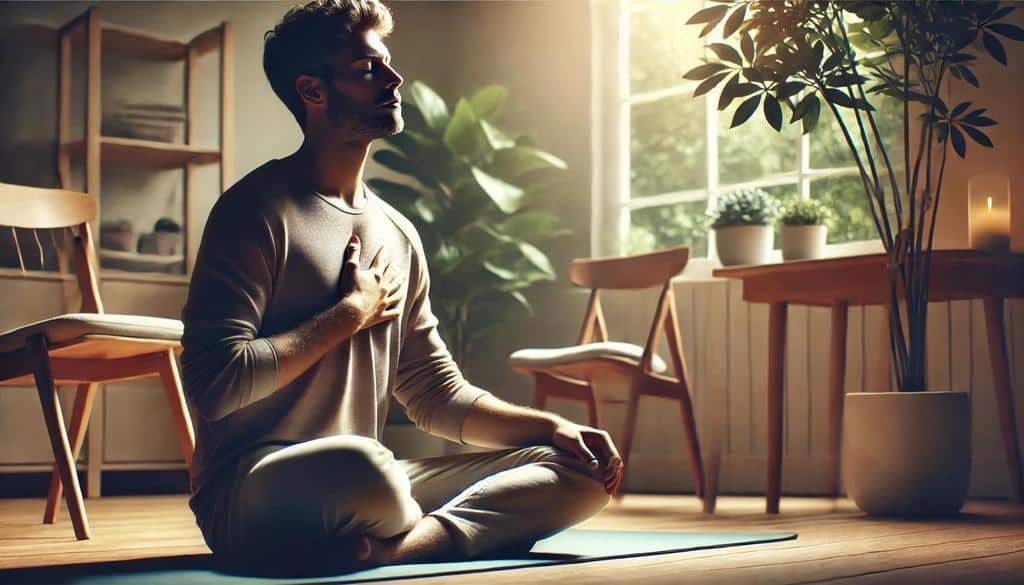
Breathing is a fundamental aspect of our existence that is frequently overlooked. It serves as a vital tool for cultivating inner peace. This simple act holds the potential to calm both the mind and body. By learning to control the rhythm and depth of your breath, you can establish a sense of tranquility even amid life’s constant challenges. Embracing proper breathing techniques allows you to create a serene environment within yourself, fostering a greater sense of well-being.
Deep Breathing
Deep breathing is a straightforward yet effective practice that can unlock the body’s inherent wisdom. By engaging the diaphragm—often an undervalued component of breathing—we facilitate a sense of calm. This rhythmic process of inhaling and exhaling creates a soothing effect that quiets the mind.
As oxygen flows into the body, it enriches the bloodstream, promoting a steady heartbeat and a sense of satisfaction within the nervous system. Incorporating deep breathing into your routine can significantly enhance your overall well-being.
To begin practicing deep breathing:
- locate a peaceful area where you won’t be bothered.
- Select a comfortable sitting or lying position.
- With one hand, hold your chest, and the other your abdomen.
- Inhale deeply through your nose, letting your stomach grow.
- Keep your breath held for a short while.
- Breathe out slowly, using your mouth to gradually release the air.
- Continue doing this for a few minutes.
Gradual Relaxation of the Muscles
By exploring tension and release, the gradual loosening of the muscles leads you on an adventure throughout your body. You are conversing with your physical self by deliberately tensing and then relaxing each muscle group. It seems like you’re removing layers of tension to uncover a calm center underneath. This method creates a harmonious balance by calming the mind and body at the same time.
How to Practice Progressive Muscle Relaxation?
- Find a peaceful area free from disturbances.
- Tensing and relaxing your foot muscles is a good place to start, then work your way up to your arms, legs, and face.
- Take a few seconds to hold every muscle tension and then release it.
- Pay attention to the difference between stress and calm.
- Continue doing this until your entire body feels at ease.

Creative Outlets: Your Path to Relaxation
Our minds frequently long for a way out. Amid the din of demands and diversions, artistic endeavors become oases of calm. Two universal dialects of the soul, music and art, provide shelter from the storm; these expressive media can ignite dormant passions, soothe frayed nerves, and take us to peaceful places. Let’s explore the healing benefits of these artistic safe havens and learn how they can transform your experience of stress.
Art Therapy
Art therapy offers a profound exploration of the emotions and experiences that reside within us. It provides a freeing opportunity for individuals to express themselves without the constraints of spoken language. Engaging in painting can be a transformative experience, allowing anyone—from beginners to seasoned artists—to approach the canvas with curiosity or self-assurance. This therapeutic practice fosters healing by enabling individuals to connect with their feelings in a creative and meaningful way.
Benefits Of Art Therapy
- Improved self-awareness: Tailoring art to your emotions can be a cathartic way to release pent-up emotions.
- Enhanced mood: Artistic endeavors can elevate your spirits and alleviate tension.
Simple Art Activities To Try
- Drawing: Even basic doodling has healing properties.
- Coloring: Using an adult coloring book can be a calming and concentrated pastime.
- Painting: Experiment with various media to convey your feelings.
- Crafting: Take part in practical crafts like crocheting, knitting, or pottery-making.
Music Therapy
Music can elicit a deep connection within us, whether it’s the throbbing energy of an object anthem or the quiet hum of a traditional piece.
Impact of Music on Stress Levels
- Calm music can reduce heart rate and blood pressure.
- Music has the power to divert attention from stressful situations.
- Energetic and motivating music can increase mood.
Creating A Relaxing Playlist
- Assemble a collection of soothing instrumental music
- Add white noise or ambient noise for more relaxation
- Try out several genres to see what speaks to you.

Your Haven of Well-Being: The Natural World
The natural world has a strong appeal that resonates deeply within us. Our bodies still crave the expansive landscapes and rich forests that once sustained our ancestors. Biophilic design recognizes this intrinsic connection by integrating natural elements into our built environments.
By incorporating aspects such as natural light, greenery, and organic materials, we can create spaces that enhance tranquility, foster creativity, and promote overall well-being. This thoughtful approach to design encourages harmony between our living spaces and the nature we inherently appreciate.
Spending Time in Nature
Nature serves as a serene refuge amid the distractions of modern life. It acts as a restorative force for the weary spirit, offering more than just an escape. The lush greenery of forests, the soothing breeze rustling through leaves, and the vastness of open skies provide significant relief from daily stressors.
Whether you experience this rejuvenation through a shared camping trip or find solace in a solitary hike, nature allows the mind to reset. In these moments, worries diminish, and the spirit is revitalized, helping to soothe frayed nerves and restore a sense of comfort.
Making Your Home a Calm Environment
Although it’s ideal, being in nature isn’t always feasible. But making your house a calm sanctuary might offer a much-needed reprieve. Here are some pointers for establishing a stress-free atmosphere:
- Keeping things simple, using soft lighting, and providing comfortable seating;
- Incorporating natural elements into your decor, such as plants, earthy colors, and natural materials; and
- Harnessing the power of scents to establish a calming atmosphere with candles or essential oils.

Social Ties: The Foundation of Wellbeing
We are not isolated individuals; instead, we exist as interconnected communities shaped by the diverse experiences of each person. The kindness of listening ears, the comfort of mutual support, and the joy of shared laughter nourish our spirits. These social connections provide purpose and resilience to our lives, much like vibrant threads that weave together the fabric of our reality. They carry us to moments of happiness and stability during challenging times, offering both strength and lift through life’s ups and downs.
Importance of Social Support
Since we are social creatures by nature, humans are hardwired for connection. In addition to adding depth to our lives, our interactions with other people have a big influence on our emotional and mental health.
Studies repeatedly highlight the strong correlation between social ties and general health. Our bodies react to being enveloped by a network of support by releasing a series of feel-good hormones, such as oxytocin, also known as the “cuddle hormone,” which soothes and uplifts us emotionally.
Benefits of strong social connections:
- Heightened emotional toughness
- Reduced likelihood of anxiety and sadness
- Enhanced life satisfaction
- Enhanced immune system
- Enhanced coping techniques
Ways to Strengthen Social Bonds
Making a deliberate effort is necessary to cultivate genuine friendships. The following are some methods to improve your social life:
Put Relationships First: Prioritizing relationships entails spending time with close friends and family.
Volunteering: Engaging in volunteer work can foster a sense of place and belonging.
Using Technology: using social media and other online connections can facilitate the meeting and interaction of like-minded people.
Therapeutic talks
Even while social ties are vital, talking with a therapist or counselor can provide a safe and private space to examine your feelings and views.
Benefits of therapy:
- Acquiring fresh viewpoints,
- Creating coping strategies,
- Enhancing communication abilities,
- Boosting self-esteem, and
- Conquering obstacles

Vaping As a Stress-Reliever
The emergence of vaping has generated significant debate within the mental health community. Marketed as a safer alternative to traditional smoking, vaping has attracted a large number of users. It is important to understand that vaping eliminates many of the harmful substances found in regular cigarettes. Thus, it can serve as a potential stress reliever for some individuals. However, a cautious approach is necessary; weighing any potential risks against possible benefits is essential.
While vaping may offer a starting point for smokers aiming to quit, developing a comprehensive cessation plan with the guidance of healthcare professionals is crucial. Shops like Vapedeal provide a variety of vaping products, but consumers should prioritize informed choices to ensure their well-being.
Combining Techniques for Comprehensive Stress Relief
Although progressive muscle relaxation and deep breathing are useful on their own, combining different relaxation techniques frequently produces more significant effects. You can improve general well-being and treat various areas of stress by designing a customized relaxation regimen.
How to Set Up a Particular Sleep Schedule?
- Find out where your stress is coming from: Determine which situations or pursuits usually result in stress.
- Select complementary methods: Choose relaxing techniques that meet your unique requirements.
- Try new things and make adjustments: Try out several combinations without fear and see what suits you the best.
- Establish a tranquil atmosphere: To hone your relaxation techniques, locate a cozy and quiet spot.
Advantages of Blending Various Methods
- Enhanced ease of mind: Combining various stress management techniques can result in a more comprehensive strategy.
- Enhanced mindfulness: Consistent practice helps heighten your awareness of the here and now.
- Better sleep quality: You can sleep better and go to sleep sooner by using relaxation techniques.
- Enhanced immune system: Developing calmness can fortify the immune system, even as prolonged stress might erode it.

Harmonizing Inner Peace: Mastering Relaxation Techniques for a Stress-Free Life
Stress frequently plays a dissonant melody in the turbulent symphony of modern life. However, we all have a conductor’s baton inside of us that can arrange a calming counterpoint. The instruments in this melodic arrangement are relaxation techniques; each note adds to the overall harmony of calm.
This opus’s foundation, deep breathing, is a subdued bassline that steadies the psyche. A countermelody of progressive muscular relaxation reduces tension in the body. Remember that this is a lifetime trip rather than a short getaway. It’s important to experiment and find the methods that speak to your soul. Allow the soothing music to envelope you, converting tension into calm.
Frequently Asked Questions
Which relaxation methods are best for lowering stress levels?
The best relaxation methods for reducing stress are frequently regarded as gradual relaxation of muscles, deep breathing, and meditation.
How often should I practice my ability to relax?
To fully reap the benefits of relaxation techniques, regular practice is required, ideally daily.
Can mindfulness techniques take the place of traditional mental health therapy?
Even though using relaxation techniques can greatly enhance mood and general well-being, they shouldn’t be used in place of professional mental health care when dealing with serious or long-term disorders.
What is the duration required for the advantages of methods of relaxation to become noticeable?
Usually, it takes a few weeks of regular exercise before stress levels start to drop.
Are there any risks associated with applying relaxation techniques?
The majority of people may utilize relaxation techniques safely; however, those with certain medical conditions should consult their doctor before starting a new practice.
Can vaping be used as a stress reliever?
Yes, vaping can be used as a stress reliever.


