
Creating a safe, stylish, and environmentally friendly home involves a blend of thoughtful design, sustainable materials, and modern technology. Homeowners today are increasingly aware of the impact their choices have on their environment and quality of life.
As they seek to build or renovate their houses, they prioritize elements that enhance their personal style while being environmentally conscious. This guide provides practical tips for achieving a home that meets these criteria, focusing on design principles, eco-friendly materials, and recent advancements in home technology.
Prioritizing Sustainable Design
Sustainable design is no longer a trend but a necessity for modern homes. Homes designed with sustainability in mind use resources efficiently, minimize waste, and create a healthier living environment. Taking into account energy efficiency from the planning stages can greatly reduce operational costs.
Incorporating features like passive solar design by strategically positioning windows can allow natural light to minimize reliance on artificial lighting. Using overhangs and other architectural elements helps regulate temperature, thereby enhancing comfort. This holistic approach supports financial savings and contributes to a healthier planet.
Modern Roofing Upgrades
One of the most impactful areas to focus on when considering upgrades is roofing. Modern roofing technology has advanced significantly and now offers a range of energy-efficient options. Metal roofs and green roofs come equipped with insulation and reflectivity properties that substantially lower energy costs. These kinds of roofs can keep homes cooler in summer and warmer in winter, further reducing reliance on heating and cooling systems. In various cities, homeowners are opting for eco-friendly solutions such as energy-efficient shingles and reflective coatings.
There has been a noticeable increase in the popularity of roofs that help manage rainwater runoff through green roofing systems. Whether a home needs new siding in Maple Grove or roofing in another city, integrating innovative exterior solutions can enhance eco-friendliness and aesthetic appeal. Assessing the current condition of your roof and considering upgrades that might extend its lifespan is a wise investment. Modern designs allow for a range of styles, ensuring that homeowners can select options that complement their home’s architecture while enriching its look.
Investing in Energy-Efficient Windows
Windows serve multiple purposes in a home, from allowing natural light to enhancing energy efficiency. Selecting energy-efficient windows can substantially reduce heating and cooling expenses while improving comfort. The latest window technologies offer low-emissivity (Low-E) coatings that minimize heat transfer while still allowing natural light to penetrate.
Double or triple-pane windows filled with argon gas provide additional insulation that keeps indoor temperatures stable. Homeowners should take into account the frame material, with options like fiberglass or vinyl providing superior durability and energy performance. Investing in energy-efficient windows is not just about immediate savings; it adds to long-term property value and contributes positively to the environment.
Utilizing Eco-Friendly Materials
When designing or renovating a home, the choice of materials plays a pivotal role in determining its environmental impact. Opting for materials like bamboo, reclaimed wood, or recycled metals can significantly reduce a project’s carbon footprint. These materials offer durability and add character to spaces. Sustainable alternatives to traditional materials are rapidly becoming more available.
Concrete mixed with recycled materials presents both strength and eco-friendliness. House paint made from low-VOC (volatile organic compounds) provides a healthier indoor environment by enhancing air quality. Homeowners should strive to prioritize local suppliers to further decrease the environmental consequences associated with shipping materials.
Smart Home Technology Integration
Integrating smart home technology is an opportunity not to be overlooked. Devices designed for energy management can track and reduce energy consumption significantly. Innovative options include smart thermostats, which allow homeowners to control heating and cooling remotely, often resulting in considerable savings.
Lighting systems equipped with motion sensors ensure that lights are only in use when needed. Smart irrigation systems can optimize water usage in gardens and lawns, aligning perfectly with eco-friendly living. Despite the initial costs of these technologies, their long-term benefits in energy savings create positive impacts on both finances and the environment.
Landscaping for Eco-Conscious Homes
The immediate environment of a home is just as important as the structure itself. Landscaping can enhance the outward appearance and the ecological impact of a property. By choosing native plants, homeowners can reduce the need for irrigation, fertilizer, and pesticides, promoting biodiversity alongside beauty.
Incorporating elements like rain gardens facilitates natural water management, filtering pollutants before they can reach local water sources. Professionals suggest designing spaces that promote natural habitat for local wildlife, such as bees and butterflies, to create a nurturing environment. Sustainable landscape practices beautify outdoor spaces and actively contribute to ecological balance.
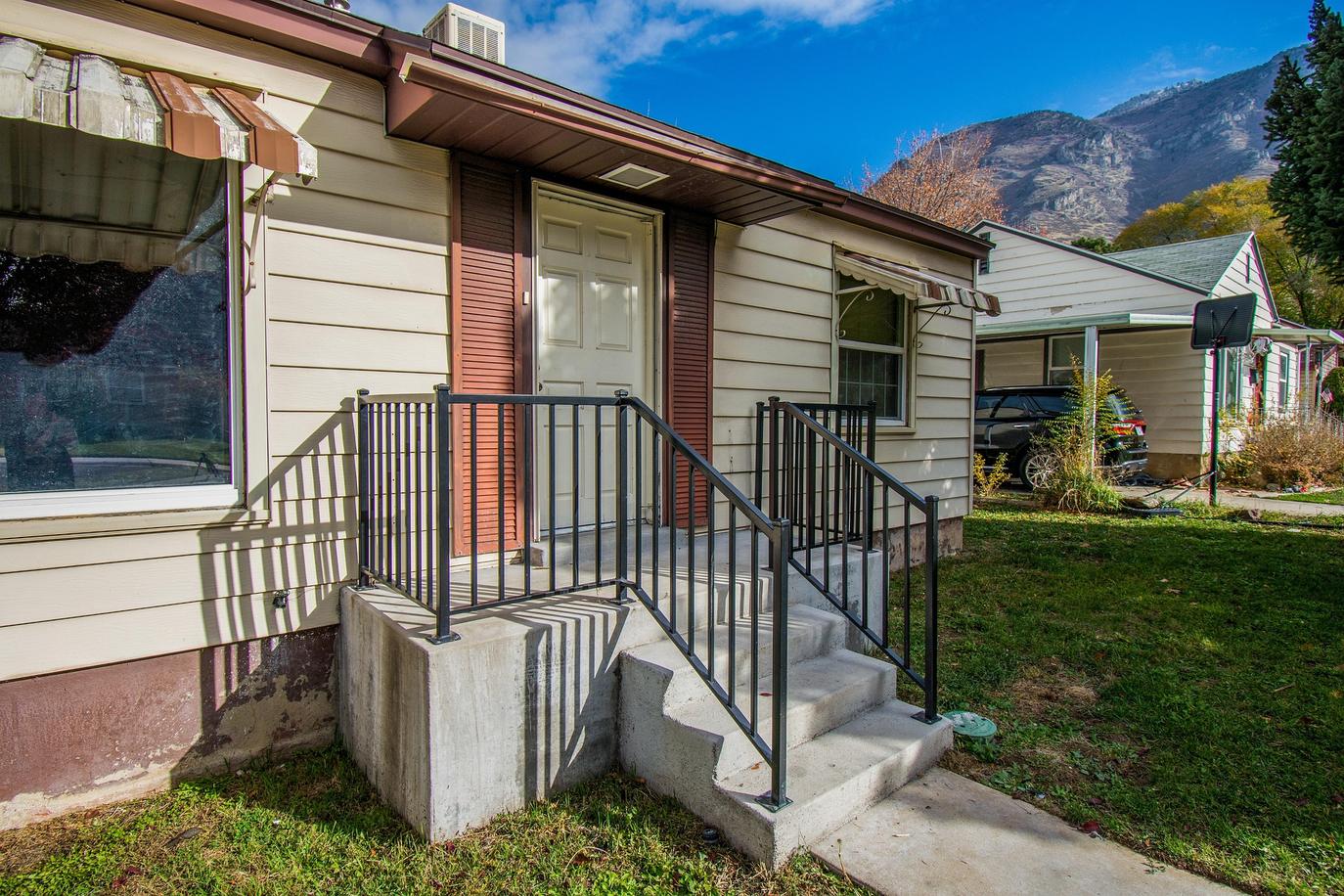
Maintaining Safety Through Smart Design Choices
A safe home is a place where its inhabitants can thrive. Thoughtful architectural choices can significantly improve safety standards. Ensuring secure lock systems, proper lighting in all areas, and layouts that enhance visibility contribute to peace of mind. Technological advancements, such as security cameras and smart locks, have become accessible and user-friendly. Homeowners are encouraged to implement systems that can be monitored remotely, offering another layer of security.
It is vital to balance safety features with design aesthetics to create an inviting home atmosphere without sacrificing vigilance. The use of non-toxic materials in construction and interior design supports physical safety and contributes to healthier indoor air quality. Maintaining a balance between aesthetics, safety, and environmental responsibility creates spaces where health and security merge seamlessly.
Conclusion
Creating a safe, stylish, and environmentally sound home is both a challenge and an opportunity. By integrating modern technology, utilizing sustainable materials, and enhancing safety, homeowners can enjoy a sanctuary that reflects their values and aspirations. An eco-friendly home offers benefits beyond just saving money, including improved indoor air quality, reduced energy bills, and enhanced comfort. As more homebuyers seek out sustainable options, properties with these features are often prioritized. By reimagining a space with a focus on sustainability, homeowners can add uniqueness and character while preserving the environment for future generations.

