
Metal roofing is a popular choice for both residential and commercial properties due to its durability, energy efficiency, and modern aesthetic. Traditional shingles may need replacement every 15 to 20 years. In contrast, a properly maintained metal roof can last 40 years or more. This longevity is not accidental; it requires consistent care and attention to detail.
The maintenance process for a metal roof is often simpler than assumed. A few key tips help preserve your roof’s integrity, prevent costly repairs, and ensure it remains a protective asset for decades.
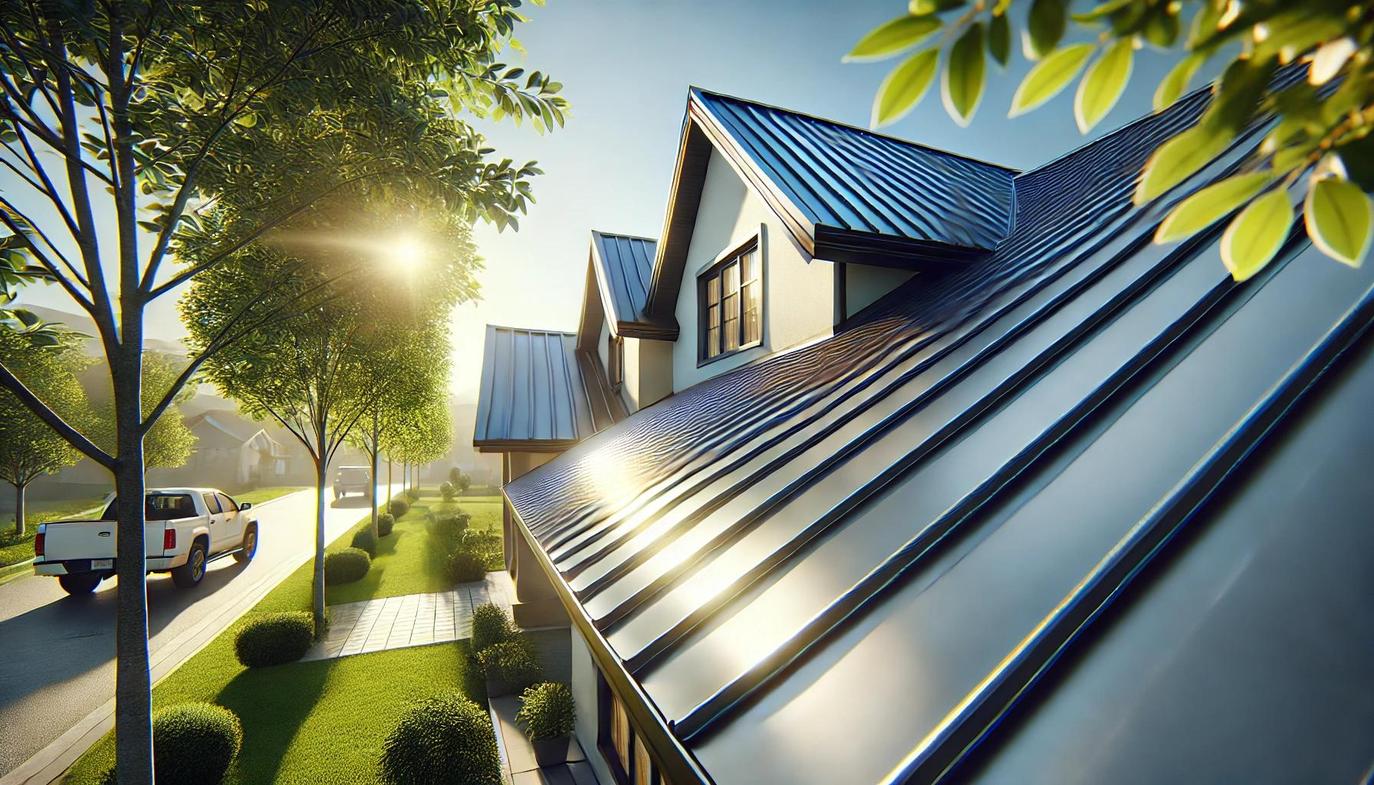
Proactive Cleaning for Long-Term Protection
Keeping your roof clean is one of the simplest yet most effective maintenance tasks. Leaves, dirt, and branches accumulate on the surface, particularly in valleys or near gutters.
If left unchecked, this debris traps moisture, which can lead to corrosion or discoloration. Homeowners should learn how to properly clean a metal roof, using non-abrasive tools and mild cleaning solutions to avoid damaging protective coatings. Effective tools for this task often include:
- A garden hose
- A soft brush
- A low-pressure washer
Professional cleaning services are available for roofs with steep pitches or difficult access points. Removing debris improves the roof’s appearance and reduces the risk of damage caused by trapped moisture or organic buildup.
Early Detection of Scratches, Chips, and Rust
Even though metal roofs are coated to resist wear, small scratches or chips can occur from falling branches, hail, or even foot traffic. Left untreated, these minor blemishes may expose the underlying metal to moisture, increasing the risk of rust. Regular inspections, ideally twice a year, allow homeowners to spot these issues early.
Touch-up paint or sealants designed for metal roofing can repair scratches and reinforce protective layers. In areas where rust has begun to form, sanding and resealing may be necessary to stop corrosion from spreading. By addressing small imperfections promptly, you extend the life of your roof and preserve its clean, polished look.

Securing Fasteners and Sealants to Prevent Leaks
Metal roofs rely on fasteners and sealants to stay watertight. Temperature fluctuations cause metal to expand and contract, which can loosen screws or wear down sealants around seams, vents, and flashing. If ignored, these weaknesses may lead to leaks that damage insulation, walls, or ceilings.
During routine inspections, check that fasteners remain tight and flush with the roof surface. Replace any that appear loose, corroded, or missing. Similarly, examine sealant around joints and flashing for cracks or peeling. Applying fresh sealant as needed keeps the roof watertight and prevents water from infiltrating vulnerable areas. This small maintenance step is crucial for long-term durability.
Maintaining Gutters for Proper Water Drainage
A roof’s performance is directly tied to its drainage system. Clogged gutters and downspouts prevent water from flowing off the roof efficiently, allowing it to pool in valleys or run beneath panels. Standing water can compromise coatings and increase the likelihood of leaks.
Cleaning gutters at least twice a year is critical in the fall when leaves accumulate quickly. Adding gutter guards or screens can reduce buildup and minimize maintenance. It’s important to ensure downspouts direct water away from the foundation to avoid structural damage. A well-maintained drainage system complements the roof’s design and protects both the home and roof from unnecessary wear.

Preventing Growth of Moss, Algae, and Stains
Moss and algae growth are less common on metal roofing than on asphalt shingles, yet they can still occur in shaded, damp areas. Moss, algae, and lichen thrive in environments with limited sunlight and high humidity, such as under large trees or in regions with frequent rainfall.
Though initially a cosmetic issue, these organisms can have long-term consequences. Moss, for example, holds moisture against the roof surface, which can accelerate wear and encourage rust or corrosion if protective coatings are compromised. Algae may create unsightly dark streaks, while lichen can slowly etch into the roof’s finish if left unchecked.
Stains are another factor homeowners should be aware of. Even when moss or algae is not present, natural elements like pollen, fallen leaves, bird droppings, and airborne pollutants can leave streaks or patches that dull the sleek finish of metal panels. In heavily wooded areas, tannins from falling leaves or sap from nearby trees may discolor the surface, diminishing curb appeal.
Minimizing Damage by Limiting Foot Traffic
Walking on a metal roof may sometimes be unavoidable when inspections, maintenance, or minor repairs are required. It is important to recognize that excessive or careless foot traffic can significantly increase the risk of long-term damage. Every step taken on the surface of a metal roof creates pressure points that may cause dents, scratches, or even loosen fasteners. These issues can compromise the roof’s structural integrity, shorten its lifespan, and lead to leaks if not properly addressed.
To minimize these risks, it is always best to hire trained roofing professionals who are equipped with the proper safety gear and have experience walking on metal roofing systems. They understand where and how to step without stressing the panels or damaging protective coatings.
When professional help is not an option and you must access the roof yourself, take extra precautions. Wear soft-soled, non-slip shoes to reduce abrasion, and walk carefully along the roof’s support areas (such as near joists or panel overlaps) to help distribute weight evenly. Avoid placing concentrated pressure in one spot, as this can dent or bend the panels.

Scheduling Professional Inspections and Maintenance
While homeowners can handle basic upkeep, professional inspections provide an added layer of protection. Roofing specialists know how to identify subtle signs of wear that may go unnoticed, such as hidden corrosion, seam separation, or underlayment issues. Annual or biannual inspections are often enough to catch problems before they escalate into costly repairs.
Professionals can provide services such as re-coating panels, replacing worn flashing, or upgrading sealants to newer, more resilient formulas. These proactive measures extend the roof’s life, maintain energy efficiency, and ensure compliance with warranty requirements. Think of professional maintenance as an investment in the roof’s longevity, a small cost that prevents larger expenses down the road.
A Smart Investment in Your Property’s Future
A metal roof is an investment in the durability and protection of your property. Its remarkable longevity is not guaranteed but earned through consistent, proactive care. Simple acts of regular cleaning, prompt attention to minor scratches, and diligent gutter maintenance are the cornerstones of preserving its strength. These small efforts prevent the escalation of minor issues into significant, costly problems.
Balancing DIY inspections with professional assessments ensures every component, from sealants to flashing, performs as it should. With this practical approach, your metal roof will not only withstand the elements for decades but will also continue to enhance your property’s value and appearance, proving its worth season after season.

Frequently Asked Questions About Metal Roof Care
What Are the Signs That a Metal Roof Needs Professional Attention?
Look for subtle indicators like loose or missing fasteners, cracked or peeling sealant around vents and flashing, significant rust spots that are more than just surface-level, or any signs of water leaks in your attic or ceilings. While minor scratches can be a DIY fix, widespread issues require a professional assessment.
Is It Safe to Use a Pressure Washer on a Metal Roof?
Using a high-pressure washer is generally not recommended, as it can damage the protective coating, strip away sealants, and even force water underneath the panels. If you choose to use one, it must be on the lowest pressure setting. For most cleaning tasks, a simple garden hose or a soft-bristle brush is safer and effective.
How Does Climate Affect Metal Roof Maintenance?
Climate plays a significant role. In areas with heavy rainfall and humidity, you’ll need to be more vigilant about cleaning gutters and checking for moss or algae growth. In regions with dramatic temperature swings, regular inspection of fasteners and sealants is critical, as the constant expansion and contraction of the metal can cause them to loosen over time.

