
In our pursuit of cleaner living spaces, we sometimes overlook how our cleaning habits can impact the environment. It’s time to reimagine our home-cleaning routine through a green lens.
Transitioning to eco-friendly cleaning products and methods isn’t just about reducing our carbon footprint; it’s also about creating a safer, healthier environment for our families.
This guide will lead you through the eco-friendly options available to clean your home, from the basic de-greaser to the periodic deep-cleaning rituals. Here, you’ll discover why eco-friendly cleaning is worth the shift, what supplies you need, how to make the switch, and recommendations for top-notch green products.
Benefits of Eco-Friendly Cleaning
We’re all familiar with the eco-friendly mantra: reduce, reuse, recycle. But when it comes to house cleaning, what are the tangible benefits of going green?
Conventional cleaning products contain harsh chemicals that can be hazardous to our health. Volatile organic compounds (VOCs) are released into the air when we clean, which can linger and be inhaled, causing respiratory issues. Eco-friendly alternatives use naturally derived ingredients that are safe for you and your family.
The chemicals in traditional cleaning products not only harm our health but also contaminate our water supply when we wash them down the drain. Eco-friendly products are biodegradable, which means they won’t harm the environment or the water we drink.
Indoor air pollution is also a significant health concern, and cleaning products play a big role. Eco-friendly cleaners have lower VOC levels, improving the quality of the air inside our homes.
Essential Eco-Friendly Cleaning Supplies
Switching to green cleaning solutions starts with stocking your home with essential eco-friendly supplies. Begin with microfiber cloths and sponges made from natural materials; they are not only reusable but also highly effective at trapping dust and dirt without the need for harsh chemicals.
Opt for biodegradable brushes and scourers that can perform heavy-duty cleaning without scratching surfaces or adding plastic waste to landfills.
For cleaning solutions, seek out products certified by environmental organizations, or consider homemade alternatives using ingredients like vinegar, baking soda, and lemon. These supplies are the foundation of a greener cleaning routine, combining effectiveness with environmental responsibility.
Moreover, investing in eco-friendly cleaning appliances is another step towards sustainable living. Look for energy-efficient vacuum cleaners and washers that use less water and electricity, reducing your overall environmental impact.
Remember to maintain and repair these appliances when needed instead of immediately replacing them, further extending their lifespan.
Eco-Friendly Cleaning Practices
Adopting eco-friendly cleaning practices goes beyond just choosing the right supplies; it’s also about altering your cleaning methods for a minimal environmental impact. One way to do this is by implementing techniques that reduce water usage, such as using a spray bottle for targeted cleaning instead of running water.
Additionally, rethinking the need for constant disinfection can lead to less frequent use of harsh chemicals, relying on them only when truly necessary. A good idea is to consider dumpster rental for larger cleaning projects, ensuring proper waste disposal and avoiding unnecessary trips to the landfill.
This practice promotes responsible waste management and reduces our carbon footprint. If the cleaning task allows, consider air-drying laundry and dishes instead of relying on energy-consuming dryers.
Eco-Friendly Home Cleaning Routine
Developing a sustainable home cleaning routine starts with organizing your tasks by frequency—daily, weekly, monthly, and seasonally.
For daily chores, focus on high-touch surfaces using simple, homemade solutions that are gentle yet effective.
Weekly tasks might involve thoroughly cleaning floors and bathrooms and utilizing eco-friendly products that ensure cleanliness without environmental harm.
Monthly and seasonal deep cleans can incorporate more intensive strategies, such as steam cleaning, which requires no chemicals and is highly effective at removing dirt and grime.
By planning your cleaning routine around these principles, you maintain a sparkling home and contribute to a healthier planet.
In case of any difficult stains or hard-to-clean areas, instead of using harsh chemicals and scrubbing vigorously, consider investing in eco-friendly alternatives such as natural enzyme cleaners, which use bacteria to break down dirt and grime.
These products are not only safe for the environment but also gentle on surfaces and more effective at removing tough stains.
Making the Most of Your Green Cleaning Products
To truly maximize the effectiveness of your eco-friendly cleaning products, it’s important to understand how to use them properly.
Not all green cleaners are created equal, and some may require different techniques or application methods compared to their conventional counterparts. For example, natural cleaners often work best with a bit of extra physical effort or need more time to sit and break down dirt and grime.
Familiarizing yourself with the best practices for each type of eco-friendly product will ensure that you’re not only cleaning responsibly but also as efficiently and effectively as possible. This might include reading labels carefully, conducting patch tests for new products, or even mixing your own solutions according to tried and tested recipes.
By doing so, you’ll not only leverage the eco-friendly aspect of these products but also unlock their full cleaning potential.
The Role of Technology in Eco-Friendly Cleaning
Innovative gadgets and appliances designed with the environment in mind are becoming increasingly popular in households striving for a greener clean.
Robotic vacuums and mops can maintain daily cleanliness with minimal energy use. At the same time, high-efficiency washing machines and dishwashers conserve water and energy without sacrificing performance.
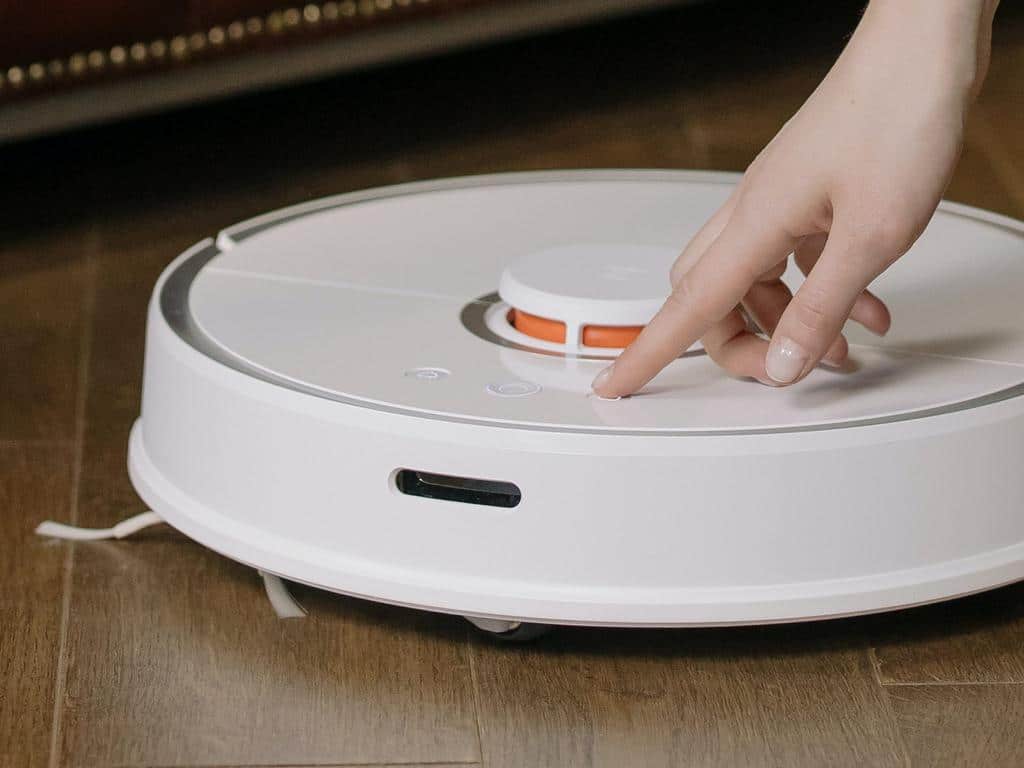
Smart home devices can also contribute by monitoring and adjusting the usage of resources like water and electricity in real time, ensuring that your home remains clean and green.
On the other hand, technology can also have a negative impact on eco-friendly cleaning practices if not used responsibly. For instance, leaving appliances plugged in when not in use or using them excessively can lead to unnecessary consumption of resources and increase your carbon footprint.
It’s essential to consider both the benefits and potential drawbacks of incorporating technology into your green cleaning routine, making informed decisions that align with your environmental goals.
Conclusion
Transitioning to eco-friendly cleaning methods in our homes is more than a trend—it’s a comprehensive approach to living more sustainably and healthily.
By adopting green cleaners and practices, we’re not just protecting the environment but also safeguarding our family’s health and well-being.
This guide has explored the myriad ways we can make our cleaning routines more sustainable, from choosing the right supplies and adopting green cleaning practices to leveraging technology responsibly.
Remember, each small step towards eco-friendly cleaning contributes to a larger impact on our planet’s health. It’s up to us to continue this journey, staying informed and making conscious choices every day.
Together, we can create cleaner homes and a cleaner world.

