
Industrial advancement naturally creates a significant legacy of environmental responsibility. Behind factories, construction sites, and laboratories lies a complex stream of hazardous byproducts. These materials cannot simply disappear and require specialized handling. Companies such as HCI Environmental illustrate how integrated environmental management works in practice by offering comprehensive technical support. These specialized disciplines address critical operational risks by providing precise technical solutions.
- 24/7 emergency chemical spill response
- Hazardous waste transportation and disposal
- Comprehensive site decontamination and soil remediation
- Asbestos, mold, and lead abatement
- Controlled demolition and industrial cleaning
- Specialized gun range cleaning services
This broad array of capabilities ensures that industrial facilities remain safe and compliant under all conditions.
Reports released by the U.S. Environmental Protection Agency’s National Biennial RCRA Hazardous Waste Report reveal that millions of tons of regulated materials are processed annually under federal oversight. Environmental management services are foundational to modern industry rather than optional additions. In high-risk situations, contamination, liability, and regulatory scrutiny often intersect. Environmental service providers help businesses navigate these challenges to maintain safety and compliance.
Modern sustainability infrastructure relies on environmental services as a core foundational element. Professional expertise in environmental remediation and regulatory frameworks is essential for industrial stability. Without it, companies risk escalating environmental damage and severe legal penalties. Environmental management is not a clean-up after failure. It is the system that prevents failure from becoming disaster.

Key Facts on Hazardous Waste Compliance and Environmental Risk
- Federal oversight of hazardous waste occurs through the Resource Conservation and Recovery Act, or RCRA Subtitle C. These standards also apply to hazardous materials requiring sustainable residential waste systems to prevent environmental contamination.
- OSHA’s HAZWOPER standard requires specific training and procedures for hazardous waste operations and emergency response.
- Annual incident reports submitted to the National Response Center highlight the persistent frequency of hazardous material spills across the country.
- Shooting ranges can accumulate significant lead contamination in soil and indoor air if not properly maintained.
- Brownfield redevelopment programs depend on professional environmental remediation before land can be reused safely. Similarly, implementing eco-friendly sewage management prevents hazardous discharges from undermining these cleanup gains.
Why Environmental Risk Management is Critical Industrial Infrastructure
Public health and regulatory compliance depend on a vital network of environmental management systems. Public perception of hazardous waste services often centers on emergency trucks at spill sites, yet the reality is far more expansive. This interconnected system supports sustainable land use, ensuring that recycled battery components are handled safely to protect surrounding soils and waterways.
Regulated waste tracking across the manufacturing and energy sectors occurs through the EPA’s centralized reporting system. Hazardous waste streams remain persistent throughout the construction and chemical processing industries.
Persistent Waste Streams and The Need for Secure Disposal
Hazardous waste streams remain persistent throughout the construction and chemical processing industries. This ongoing generation of hazardous materials now encompasses critical mineral-rich high-tech e-waste that requires specialized recovery protocols. This requires licensed transportation and secure disposal facilities with cradle-to-grave tracking. Without this structured oversight, contamination would spread through soil, groundwater, and air.
Environmental remediation services also support community redevelopment. The federal Brownfields Program has helped transform contaminated properties into productive spaces by funding assessment and cleanup efforts. That process depends on certified contractors capable of soil remediation, site decontamination, and safe demolition practices. Environmental risk management, therefore, becomes part of economic regeneration and urban renewal.
Sustainability efforts frequently center on renewable energy or carbon reduction. Yet deploying sustainable waste solutions for hazardous materials remains equally critical to industrial resilience. A factory powered by clean energy still produces waste that must be handled responsibly. Infrastructure for environmental risk is as essential as infrastructure for power, water, and transportation.
Regulatory Standards Governing Hazardous Waste Management Systems
Environmental management services operate within a tightly regulated framework designed to protect human health and ecosystems.
Understanding RCRA and EPA Oversight
Hazardous waste generators must classify and store materials in alignment with the Resource Conservation and Recovery Act. The EPA’s National Biennial RCRA Hazardous Waste Report outlines the scale of regulated waste and reinforces the importance of compliance. Businesses that fail to follow these requirements face fines, operational shutdowns, and long-term liability. These rules apply to large- and small-quantity generators alike. They shape everyday decisions about storage capacity, labeling, and waste manifest tracking.
Federal regulations identify materials as hazardous if they exhibit ignitable, corrosive, reactive, or toxic characteristics. It also encompasses complex streams common to medical waste treatment and associated recycling challenges. Proper environmental management ensures these materials are handled using certified containers, approved transportation routes, and licensed disposal facilities. Misclassifying these waste streams can lead to unpermitted disposal practices that trigger enforcement actions and expensive cleanup obligations.
OSHA HAZWOPER and Worker Protection
The Occupational Safety and Health Administration enforces the 29 CFR 1910.120 HAZWOPER standard. This regulation mandates training for workers involved in hazardous waste operations and emergency response. It defines procedures for protective equipment, site control, decontamination, and medical surveillance. The standard covers emergency responders, facility staff, and cleanup crews. This creates a nationwide baseline for the safe handling of dangerous materials.
Proper HAZWOPER training ensures that emergency chemical spill response protects workers from unnecessary risk. Environmental service providers bridge that gap by deploying trained teams equipped to manage dangerous materials safely. In many facilities, this training is the difference between a quickly controlled incident and a prolonged crisis that exposes employees, neighbors, and first responders.
Airborne Hazards and Asbestos Regulation
Demolition and renovation projects must handle airborne contaminants under the EPA’s National Emission Standards for Hazardous Air Pollutants, or Asbestos NESHAP. Improper asbestos removal can release microscopic fibers linked to severe respiratory disease. Licensed abatement professionals are required to isolate and remove these materials. All disposal must occur under strict containment procedures. Because asbestos was widely used in older insulation, floor tiles, and roofing materials, many renovation projects must begin with a survey and abatement plan before any walls or ceilings are disturbed.
These rules translate technical emission limits into clear obligations. They help companies design projects that protect indoor air quality and community health. Regulation is not bureaucracy for its own sake. It is a framework that transforms environmental risk into structured responsibility.
From Emergency Chemical Spill Response to Environmental Recovery
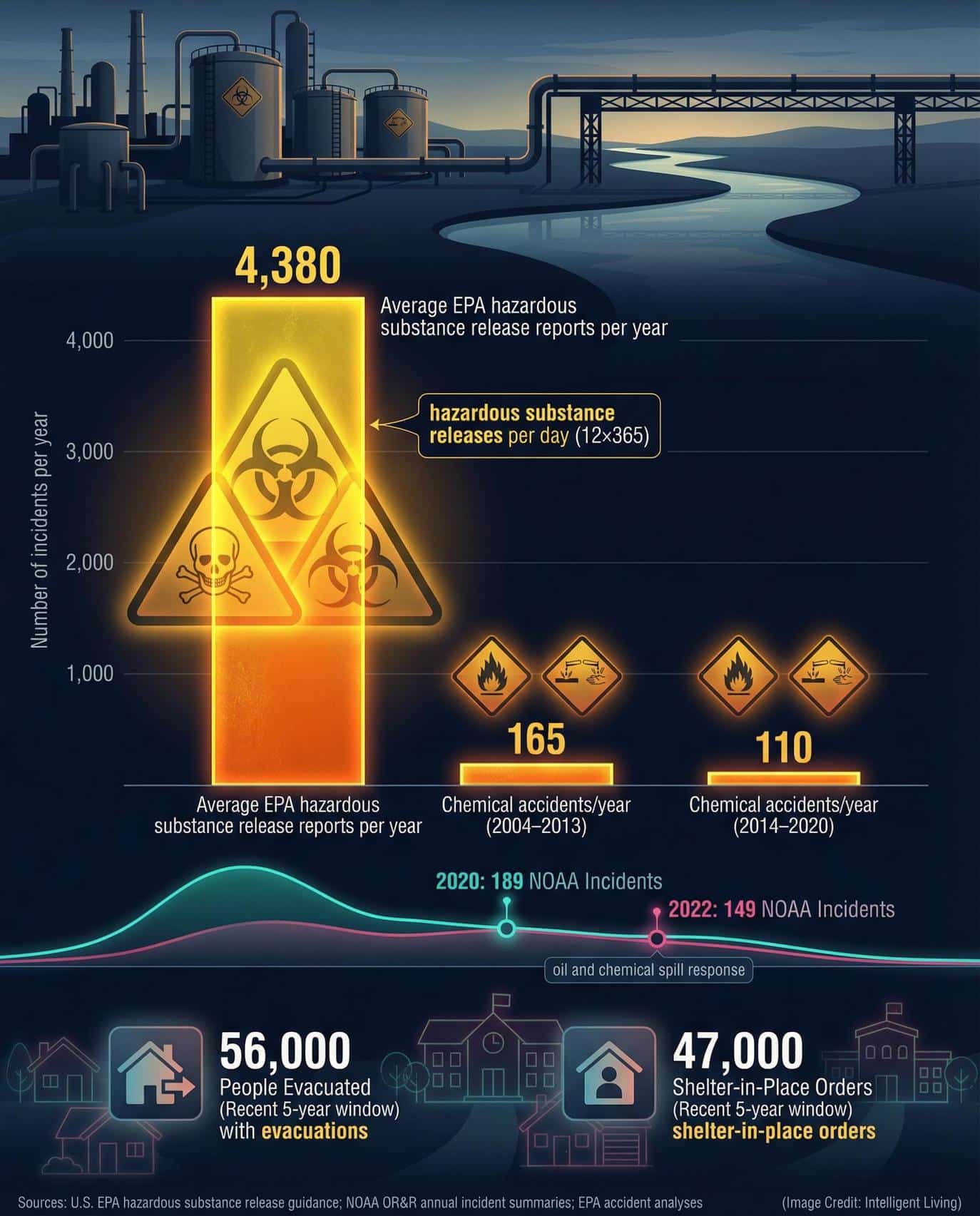
Hazardous material incidents occur with regular frequency across industrial landscapes. The National Response Center maintains a database of hazardous material incident reports submitted across the country each year. Transportation accidents and industrial leaks represent significant sources of chemical contamination. They often stem from failures in chemical storage safety systems and containment protocols. The reporting system creates a national picture of where and how spills occur, allowing regulators and companies to spot patterns and strengthen prevention strategies.
Why 24/7 Emergency Spill Response Matters
Rapid response is critical during a spill because uncontained chemicals can migrate quickly into soil and water. A qualified 24/7 emergency spill response team assesses the hazard, secures the site, contains the release, and begins remediation. Rapid mobilization limits how far a spill can spread. This reduces cleanup costs and prevents hazardous substances from migrating off-site.
Contamination often forces facilities to halt operations until safety and compliance are fully restored. Specialized environmental services reduce downtime by applying established containment protocols that meet OSHA and EPA requirements. Organizations that build emergency response into their environmental management systems are better positioned to demonstrate due diligence when regulators and insurers review how an incident was handled.
Containment, Documentation, and Disposal
Spill response does not end with absorption pads and barriers. Hazardous materials must be collected, labeled, transported, and disposed of through approved channels. Documentation ensures regulatory traceability and protects companies from future liability claims. Every step in this chain is governed by strict record-keeping. These requirements track waste from the spill site to the final disposal facility.
The goal is not only to remove visible contamination but also to restore environmental stability and compliance. Well-planned spill remediation also generates a paper trail that supports insurance claims, regulatory reporting, and internal learning about how to avoid similar events.
How Chemical Spills Impact Communities and Ecosystems
Residential neighborhoods and sensitive ecosystems are often the backdrop for complex chemical spills. Liquid releases can migrate through soil into groundwater or flow into nearby rivers. Contaminants such as PFAS and microplastics often accumulate in aquatic food webs, creating long-term toxicity. In coastal areas or floodplains, even a relatively small spill can travel quickly and spread across a wide area during storms or high-water events.
Contamination enters indoor air and local water sources when hazardous substances are mishandled. Many industrial sites are adjacent to polluted waters that trigger health complaints long before sources are confirmed. Communities that live close to industrial corridors, freight routes, or storage facilities are especially vulnerable because they may experience repeated low-level exposures over time. Treating spill response as a community protection tool, not just a facility maintenance task, is essential for environmental justice and long-term public health.

Specialized Environmental Remediation and Site Decontamination Strategies
Effective environmental management addresses hidden hazards long before they become visible spills. Many hazards develop gradually and remain hidden without rigorous safety testing to identify emerging risks through proactive assessment.
Soil Remediation and Ground Protection
Soil remediation provides the necessary neutralization of dangerous substances required for brownfield redevelopment. Remediation projects typically target specific dangerous substances that threaten long-term land use:
- Heavy metals and hydrocarbons
- Persistent organic pollutants and toxic industrial solvents
- Chemical residues
These techniques are central to brownfield redevelopment and safe property reuse. Site assessments, soil sampling campaigns, and risk-based cleanup goals help determine which technologies make sense for a specific location.
Regional health often depends on the integrity of local aquifers and farmland. For these areas, early intervention is far less costly than reacting to large-scale contamination. In a world where soil health remains under severe pressure from industrial and urban pollution, remediation protects ecosystems and future land use.
Mold, Lead, and Indoor Environmental Health
Aging buildings, industrial facilities, and specialized environments like shooting ranges frequently host lead and mold contamination. The EPA has issued best management practices for lead at outdoor shooting ranges because accumulated ammunition residue can contaminate soil and pose exposure risks. Air quality problems tied to mold and lead can drive up absenteeism and lower productivity. They also trigger disputes when occupants experience health issues linked to the building.
Utilize professional abatement to ensure that airborne particles and residual contaminants are handled safely, preventing long-term health consequences. Certified remediation teams use containment barriers, negative pressure systems, and post-cleanup air monitoring to confirm that spaces are safe for workers, customers, and residents.
Demolition and Industrial Cleaning as Environmental Safeguards
Effective industrial cleaning stops contaminants from dispersing as sites transition between uses. These actions reinforce essential industrial hygiene to protect the surrounding environment in high-risk facilities. While demolition often seems purely structural, the presence of hazardous materials transforms these projects into critical environmental operations. Pre-demolition surveys identify hazardous building materials so they can be removed in a controlled way instead of being pulverized into mixed debris.
Responsible demolition integrates waste segregation, asbestos containment, and proper disposal protocols. This careful sequencing turns what could be a chaotic teardown into a managed process that protects air quality, soil, and worker safety at every step.
The Hidden Environmental Risks of Shooting Ranges
Environmental challenges at shooting ranges are specialized and require meticulous oversight. Repeated ammunition use deposits lead into soil and can generate airborne particulates indoors. The EPA’s best management practices for shooting ranges highlight the need for routine monitoring and remediation to prevent soil and groundwater contamination. Without proper cleaning and maintenance, lead accumulation can trigger regulatory intervention.
Specialized gun range cleaning services address these risks by removing accumulated residue, managing contaminated soil, and ensuring compliance with environmental guidance. These services protect not only range operators but also surrounding communities and ecosystems.

Hazardous Waste Management as A Pillar of Corporate Responsibility
Sustainability strategies frequently emphasize carbon reduction or renewable energy investment. Yet environmental liability management, including outsourcing hazardous waste streams to specialized partners, is equally central to responsible operations. Proactive hazardous waste management allows organizations to secure their operational integrity and protect local ecosystems.
These efforts reduce the likelihood of spills and environmental damage. They also minimize the risk of complex liability and coverage questions that often arise after environmental incidents. They align with environmental, social, and governance expectations by treating compliance as a core operational value rather than a reactive obligation.
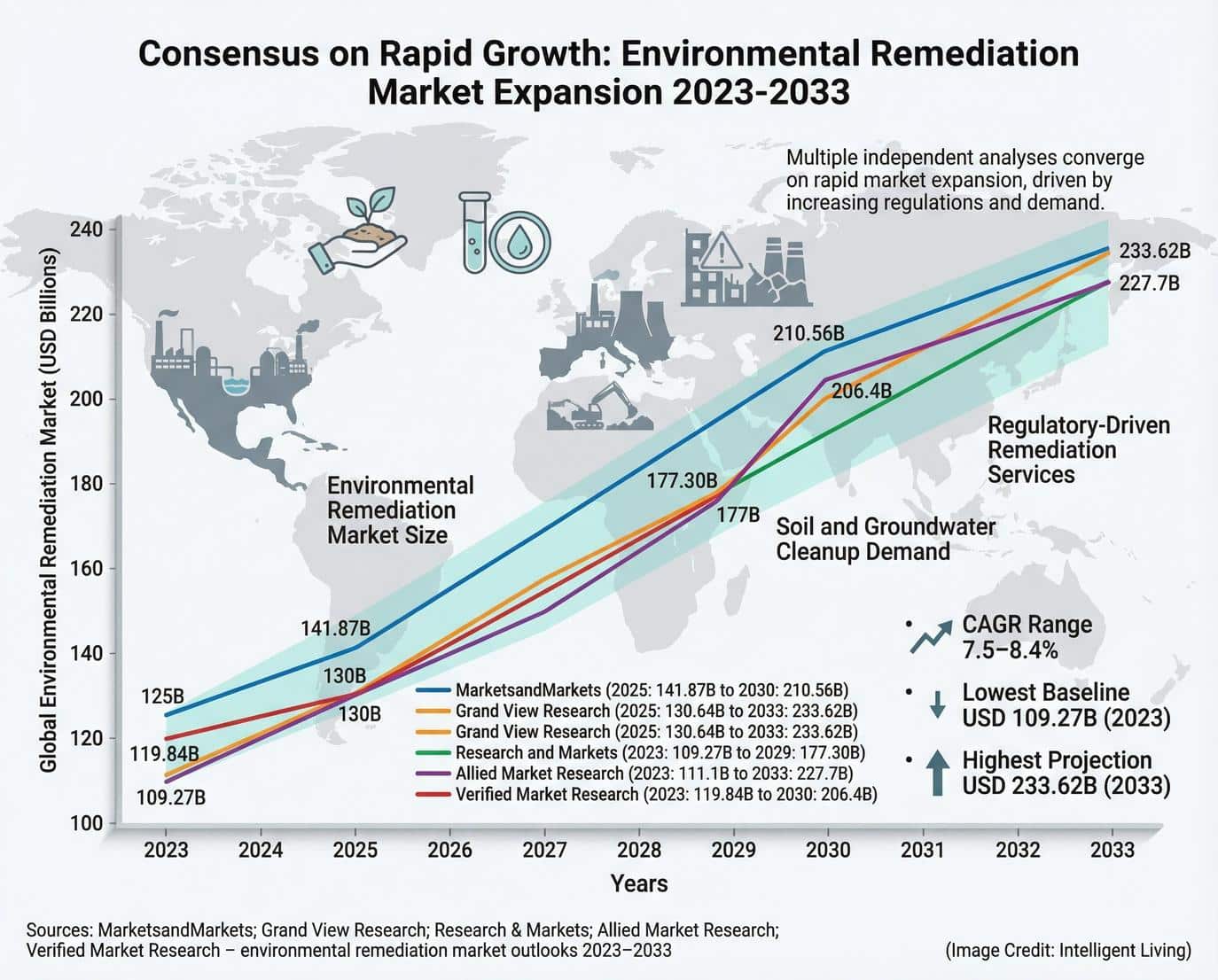
Growth in the environmental remediation market reflects increasing recognition that contamination management is integral to long-term viability. Investors and regulators alike are paying closer attention to how companies manage hazardous materials.
Building Safer Industrial Futures through Integrated Environmental Management
An integrated environmental services model closes communication gaps and accelerates response times. This model, built around a compliance-first partnership for industrial operations, combines emergency response, remediation, transportation, abatement, and compliance oversight into one coordinated system. Fragmented vendors often handle isolated tasks, creating gaps in coverage. In contrast, unified expertise manages risk from assessment to final disposal.
Unified management strengthens documentation and ensures environmental responsibility is built into industrial design. This integrated approach reinforces environmental responsibility as part of industrial design rather than an afterthought.
Securing the Future Through Proactive Environmental Stewardship
The resilience of modern industry depends on its ability to integrate safety into its core architecture. Environmental management services serve as this foundational layer, providing the specialized skills and logistical precision needed to handle hazardous waste without disrupting the rhythm of commerce. By shifting the focus from reactive cleanup to proactive risk mitigation, organizations do more than avoid fines; they build trust with stakeholders and safeguard the natural resources essential for long-term prosperity.
As global regulations evolve and public awareness grows, the expectation for responsible hazardous waste handling will only increase, especially as circular economy trends aimed at eliminating toxic leakage shift how companies design products.
The question for businesses is not whether environmental risk exists. It is whether they treat that risk as a liability waiting to happen or as infrastructure that safeguards their future, with some organizations even converting waste into products to extract value rather than simply discarding materials.

Frequently Asked Questions About Hazardous Waste Services and Environmental Compliance
What Qualifies as Hazardous Waste Under Federal Law?
Hazardous waste is defined under RCRA as materials that are ignitable, corrosive, reactive, or toxic. The EPA provides detailed classification guidance to determine whether a waste stream falls under Subtitle C regulation.
What is HAZWOPER Certification?
HAZWOPER certification refers to training required by OSHA for workers involved in hazardous waste operations and emergency response. It ensures workers understand protective equipment, decontamination procedures, and site control measures.
Why is Soil Remediation Important?
Soil remediation removes or neutralizes contaminants that could migrate into groundwater or pose human exposure risks, including residues from hazardous medical waste that endanger the local environment. It enables safe redevelopment of previously contaminated properties.
How Often Do Chemical Spills Occur in the United States?
Thousands of hazardous material incidents are reported annually to the National Response Center. These reports underscore the need for rapid, trained emergency response teams.
Why Do Shooting Ranges Require Specialized Cleaning?
Lead residue from ammunition can accumulate in soil and indoor environments. Specialized cleaning and remediation reduce exposure risks and help operators comply with environmental best practices.


