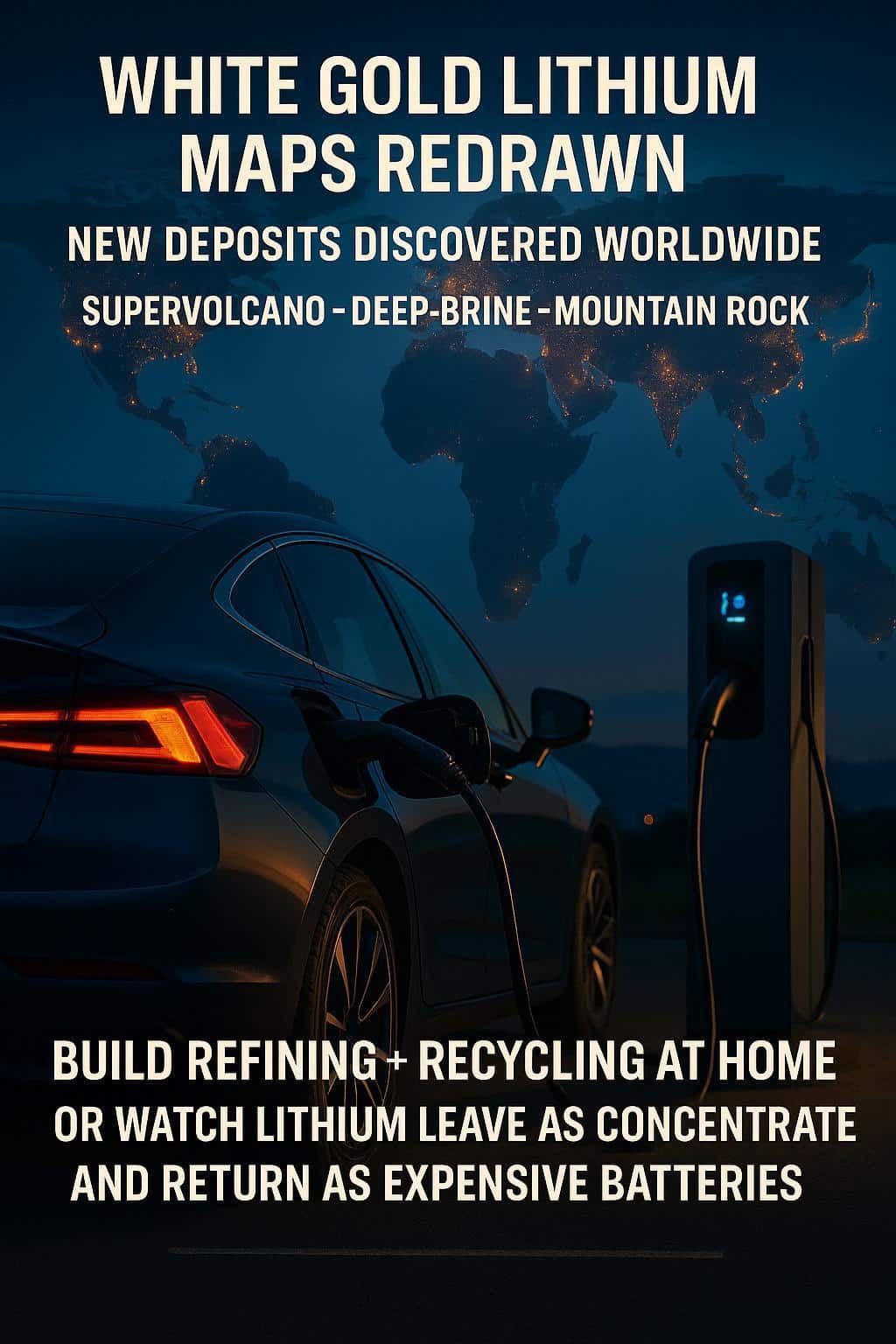
Lithium fuels modern electric vehicles and grid-storage batteries, meaning a new supply profoundly shifts market prices, production capability, and global geopolitics. A confluence of confirmed discoveries and major resource re-evaluations in 2025 dramatically redrew the global “white gold” map.
Resource locations range from clay beds inside an ancient supervolcano on the Nevada–Oregon border to deep brines beneath Germany’s former gas fields and from shallow granite in western Spain to high-altitude ore bodies on the Tibetan Plateau and a new producing mine in Mali. These developments collectively offer the potential to ease future supply risk, provided they advance responsibly.
The sheer scale of these new lithium discoveries has the potential to fundamentally redefine the supply chain for EV battery manufacturers worldwide. Historically, the supply map has been geographically concentrated, but the introduction of large-scale, newly confirmed deposits in North America, Europe, and Asia introduces resilience through diversification.
Success of these projects, however, is not guaranteed solely by geology; it hinges on the responsible adoption of new extraction technologies like Direct Lithium Extraction (DLE), adherence to strict environmental standards, and establishing credible partnerships with local communities to mitigate risks like water contamination and toxic dust exposure.
This report remains transparent by citing public data and reputable reporting for every claim, explaining the technical terms to provide clear context for judging market implications. To understand why lithium earned the nickname “white gold,” it is essential to analyze the global white gold rush and its socioeconomic fallout. Understanding what’s at stake frames both the market opportunity and the risks communities face when extraction arrives.
Key Insights: The Global Lithium Map Shift and EV Supply Implications
- United States, McDermitt Caldera, a collapsed supervolcano, is now assessed at roughly 20 to 40 million metric tons of lithium-rich clay, potentially the largest identified deposit worldwide. Authoritative technology media outlets have translated that scale into an approximate $1.5 trillion in-ground value at recent prices—a headline figure, not a final mine plan.
- United States, the Salton Sea geothermal brines are estimated to contain about 18 million metric tons of lithium, often described as “white gold” worth roughly $540 billion, with multiple direct-lithium-extraction pilots actively progressing toward initial production phases.
- Germany, Altmark Basin, an independent assessment indicates around 43 million tonnes of lithium carbonate equivalent (LCE) in deep brines associated with legacy gas fields, one of the largest project-level resource figures publicly cited in the European market.
- Spain, Conchas Project, new shallow drilling has confirmed thick lithium and rubidium zones in muscovitic leucogranite, with metallurgy showing promising recoveries as the company defines the resource.
- China, Hunan Province, authorities reported a 490-million-tonne lithium-ore field in Linwu County, estimated at about 1.31 million tonnes of lithium oxide (Li₂O), contributing to an upward revision of China’s share of global reserves in 2025.
- China, Tibetan Plateau, including Everest-adjacent areas: multiple reports describe very large hard-rock deposits with a frequently cited value of about €600 billion, alongside serious environmental and cultural concerns.
- Mali, Bougouni, construction began in 2024, and the first spodumene production occurred during commissioning in February 2025, with a Stage 1 plant targeting 125,000 tonnes per year and an official opening later in the year.
- Demand remains on a steep trajectory even as prices cycle. The International Energy Agency projects EV battery demand exceeding 3 TWh in 2030 and robust critical-mineral demand across scenarios, as detailed in their EV battery demand outlook for 2030 and in the official critical minerals market review.
To maintain clarity, these definitions provide context for key terms referenced throughout this document:
- LCE (Lithium Carbonate Equivalent) converts different lithium forms into a common unit, helpful for comparing deposits.
- Li₂O is lithium oxide content in hard-rock ore.
- DLE (Direct Lithium Extraction) refers to chemical processes that pull lithium from brines using sorbents or membranes, then reinject the brine underground rather than evaporating it in ponds.

United States: Supervolcano Clays and a Dying Lake
McDermitt Caldera: The Largest US Lithium Discovery
Formed about 16 million years ago, the McDermitt Caldera is the site of the discovery. Over long periods, volcanic ash and hydrothermal fluids concentrated lithium into lakebed clays that now sit close to the surface. In 2025, scientists and reporters placed the deposit’s size at roughly 20 to 40 million metric tons of lithium in clay.
If this is borne out by detailed mine plans and economics, it would make it the largest known concentration of lithium identified so far, according to a supervolcano lithium overview. Independent outlets translated that scale into an estimated $1.5 trillion in-ground value. It is important to note that any figure mentioned is a rough comparison and does not represent recoverable value; it is based solely on an estimate of in-ground value.
Lithium Extraction Methods and Community Impacts
Clay-hosted lithium is typically mined in open pits, then processed through crushing, grinding, and chemical leaching. These steps require significant water and reagents. Consequently, rigorous baseline studies and community oversight are critical requirements.
Tribal nations and ranchers in the broader region have already raised concerns about water, dust, and cultural sites in related projects. Given that Tribal nations and ranchers in the broader region have already raised concerns about water, dust, and cultural sites in related projects, projects must incorporate these concerns directly into the real cost of capital and timeline, treating them as central elements rather than marginal footnotes.
U.S. Manufacturing and Supply Chain Benefits
If the McDermitt system advances responsibly, it could underpin U.S. cathode and battery manufacturing, significantly enhancing domestic supply chain independence.
An examination of the push for U.S. lithium independence and its role in reshaping supply chains demonstrates how new projects can integrate with domestic processing and recycling, capturing greater value at home. Recycling is already delivering on that promise: in September 2026, the first US plant to produce lithium carbonate from 100% recycled batteries began operations in Georgia, recovering the metal from black mass instead of newly mined ore. The same momentum reached oilfield brine in February 2026, when a Midland, Texas plant began pulling lithium from oilfield wastewater at commercial scale.
Salton Sea: Geothermal Brine and DLE Technology
Beneath the Salton Sea, hot, mineral-rich brines circulate through geothermal reservoirs.
Analysts estimate about 18 million metric tons of lithium within these brines, a figure often translated to roughly $540 billion to convey scale, according to an assessment of the Salton Sea’s $540 billion discovery.
Several projects are now piloting direct lithium extraction alongside geothermal power. This combination could limit the land footprint by allowing processed brine to be reinjected underground, circumventing the need for evaporation ponds.
Direct Lithium Extraction (DLE) and Environmental Risks
Geothermal plus DLE can cut visible disturbance, yet communities surrounding the shrinking lake already face toxic dust and respiratory risks. Project legitimacy requires meeting fundamental prerequisites, including:
- Managing toxic dust and handling wastewater responsibly.
- Ensuring meaningful revenue sharing with local stakeholders.
- Establishing durable, long-term dust control measures.
Rigorous oversight will ultimately determine if the “Lithium Valley” develops into a durable regional asset or if it becomes yet another missed opportunity to repair an already damaged ecosystem.
Local Benefits and Industrial Platform Modeling
The Salton Sea could anchor domestic supply for U.S. gigafactories if projects scale. The Salton Sea projects could also establish a new industrial model, coupling renewable power and heat with the production of critical minerals on a single platform. The use of lithium batteries offers significant environmental benefits for electric mobility and storage solutions.
Europe’s Deep Brines and Granite Veins
Altmark Basin: Deep Brine Lithium and Regulatory Hurdles
In the Altmark region of Saxony-Anhalt, decades of natural gas operations mapped deep hydrocarbon systems that also contain lithium in formation waters. An independent assessment prepared for Neptune Energy cites around 43 million tonnes of LCE in place across the basin’s brines. This figure would rank among the largest project-level resource figures publicly discussed in Europe.
Business and technology press extensively detailed the discovery and the first rounds of direct lithium extraction pilots. This DLE method circulates brine through sorbents before reinjecting it, aiming to limit surface disturbance compared with evaporation ponds, as detailed in a technical breakdown of the German lithium discovery.
Feasibility Challenges and Subsurface Integrity Questions
While the scale is impressive, practical feasibility will be dictated by recoverability rates, sorbent life, reliable power costs, and managing subsurface risks.
The community response is mixed, with some showing optimism about securing post-gas jobs, balanced against concerns about groundwater protection and potential induced seismicity. The regulatory framework in Germany will determine if deep-brine projects can balance strict environmental standards with economic viability.
Conchas Project: Shallow Granite and EU Market Integration
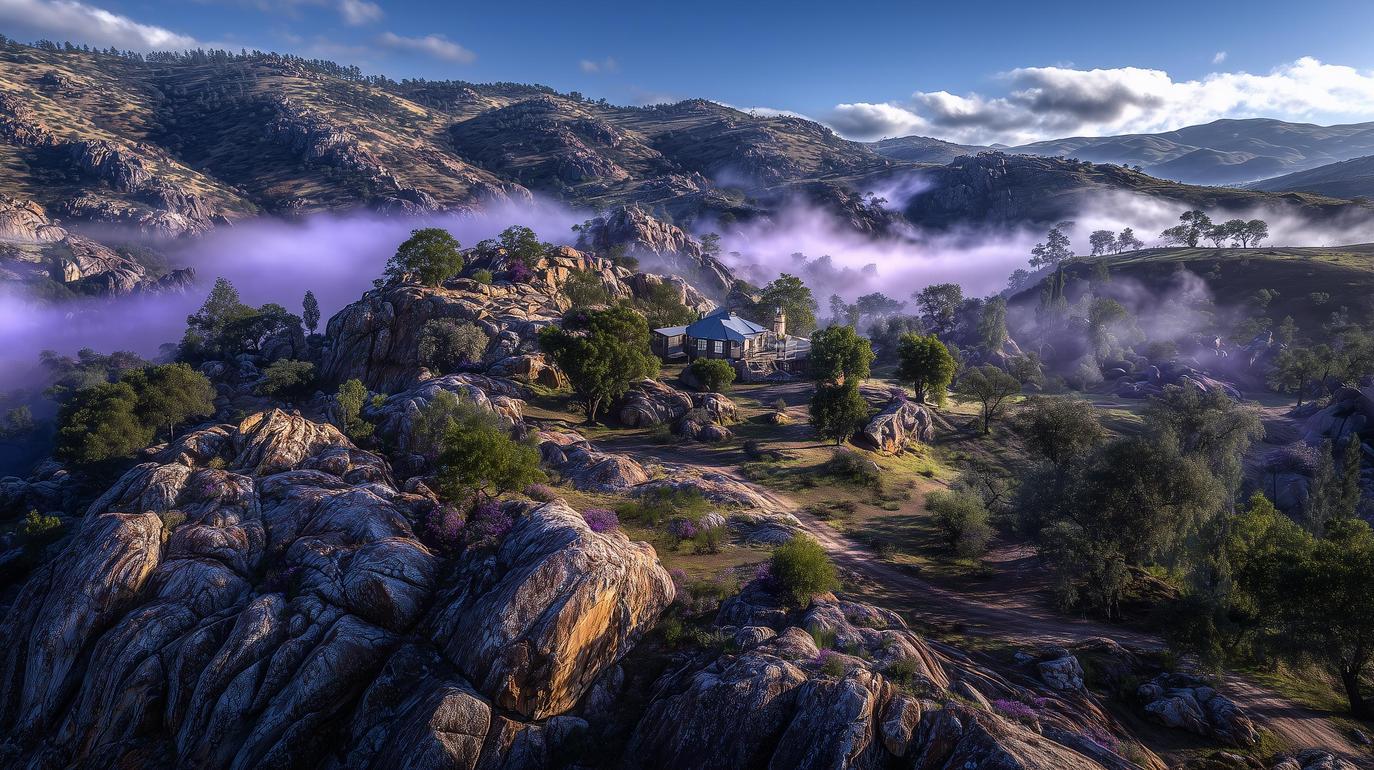
In western Salamanca near the Portuguese border, the Conchas Project has reported shallow, thick intervals of lithium and rubidium in muscovitic leucogranite, such as 200 feet at 0.50 percent Li₂O from the surface and 46 feet at 0.95 percent Li₂O at depth, according to a Conchas discovery brief. Follow-up metallurgy indicates recoveries approaching 78 percent for lithium in certain grind sizes, an early sign that the mineralogy may be amenable to processing. More work is needed, however, as shown in metallurgical recovery testing.
Spanish local media have highlighted both regional opportunity and questions about agriculture, landscape change, and tourism as the project continues in the exploration phase, according to regional reporting from Salamanca.
Market Integration with EU Critical Raw Materials Goals
The Conchas Project, if it matures into a mine, could directly supply Europe’s growing gigafactory base, strongly supporting the EU’s Critical Raw Materials goals. The success of regional supply chains also depends on emergent industrial trends in green energy minerals that actively shape downstream manufacturing capabilities.
China’s New Reserves: From Hunan Basins to “White Gold in the Clouds”
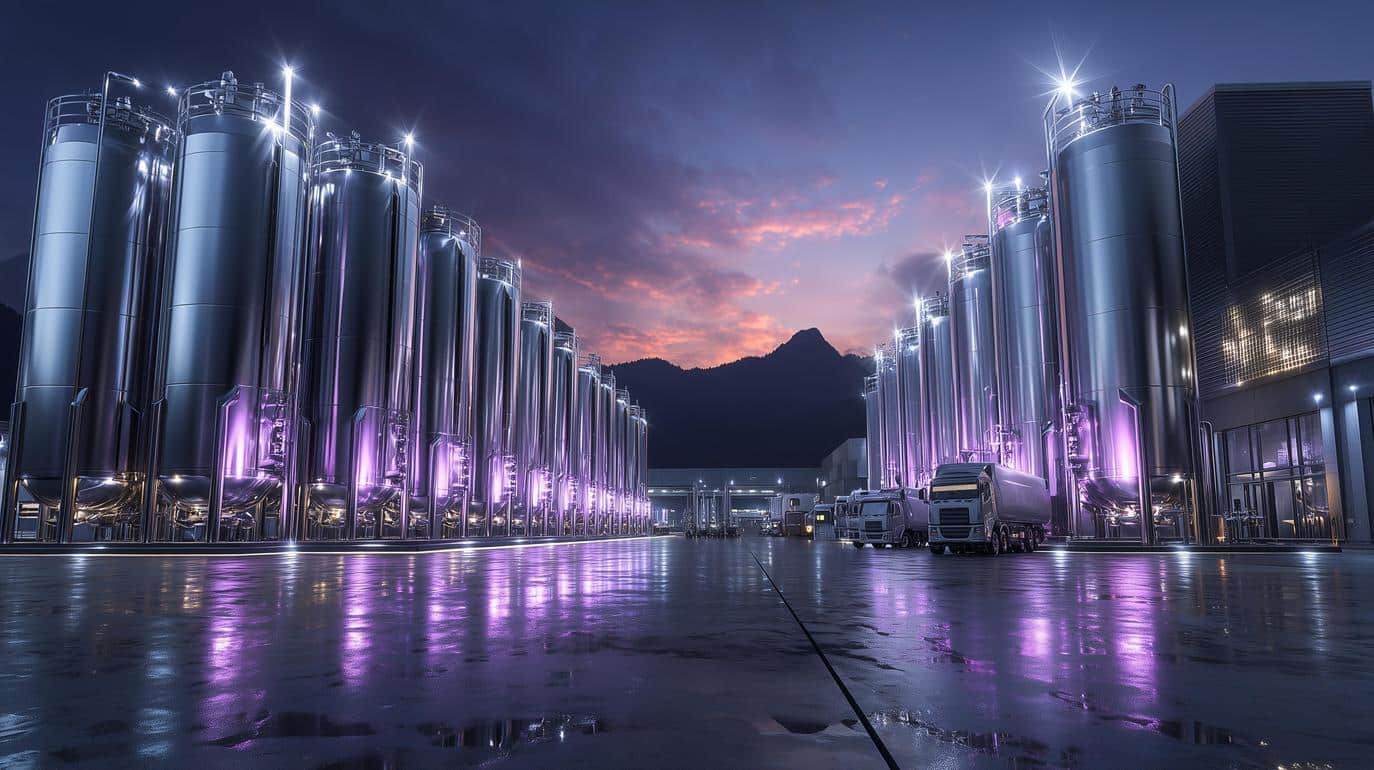
Hunan’s Jijiaoshan Field: Ore Discovery and Processing Ambitions
In mid-2025, provincial authorities announced a large altered-granite lithium deposit in Linwu County, Hunan. Public reports cited about 490 million tonnes of ore, including around 1.31 million tonnes of Li₂O. This discovery helped lift estimates of China’s share of global lithium reserves for the year, according to provincial reporting on new lithium ores and a trade summary of the 490-million-tonne field.
The project remains in exploration and evaluation. Ore tonnage does not directly translate to recoverable lithium because metallurgy, cut-off grade, infrastructure, and environmental constraints all determine what can truly become a reserve.
Implications for China’s Global Lithium Dominance
As a global leader in midstream refining and cathode materials, China maintains a dominant position. Domestic ore discoveries will strengthen this position, although the majority of the value chain remains captured in advanced processing rather than raw extraction.
Tibetan Plateau: High-Altitude Reserves and Environmental Risks
Through 2025, multiple reports detailed very large spodumene-bearing hard-rock deposits on the Tibetan Plateau, including a deposit outside Mount Qomolangma National Nature Reserve, characterized as China’s third-largest lithium reserve.
Media also circulated a €600 billion valuation figure to convey magnitude. This figure should be read as a communication shortcut or rough indicator rather than a mine plan, according to a valuation analysis of Tibetan lithium deposits and a report on Everest-adjacent mining plans.
High-Stakes Environmental and Cultural Risks
Mining at extreme elevations presents engineering and safety challenges, and the Plateau feeds river systems that supply water to hundreds of millions of people downstream. Reports from regional outlets and analysts highlight concerns about glaciers, permafrost, and cultural rights. Crucially, a rigorous environmental impact assessment and credible local consultation will be essential to establish legitimacy, given the sensitive nature of the region.

Africa’s Emerging Lithium Corridor: Local Value Retention and Midstream Processing
Bougouni, Mali: From Construction to First Shipments
The Bougouni Lithium Project in southern Mali transitioned rapidly from construction in 2024 to achieving first production of high-grade spodumene concentrate during commissioning in February 2025, culminating in the official opening of the Stage 1 DMS plant later that year. The company targets 125,000 tonnes per year of concentrate at about 5.5 percent Li₂O as output ramps up. This target was confirmed during the presidential opening of the Bougouni Lithium Project.
Policy Shifts: State Equity and Local Value Retention
The recent update to Mali’s mining code increases state stakes in projects, reflecting a continental push to capture and retain greater value domestically. Midstream processing remains the primary challenge that still needs to be addressed. As most African lithium currently leaves as concentrate for conversion abroad, the critical question is whether domestic refining or regional partnerships can emerge to capture more jobs and revenue locally, making this venture sustainable.
Keeping minerals in the loop requires investment in the circular battery economy through recycling and reuse, which reduces fresh mining pressure while stabilizing supply chains.

Do We Have “Enough” Lithium, and Why Not All White Gold Is Mined Alike
The discoveries confirmed in 2025 substantially strengthen the outlook for lithium supply, though they do not eliminate all underlying risk factors. Resources are distinct from reserves, and reserves rarely equate to immediate yearly output. Factors like metallurgy, water availability, power supply, permitting, and social consent determine what truly becomes a reliable supply.
As demand for electric vehicles and grid storage accelerates across this decade, mining, midstream refining, and high-quality recycling must all scale up simultaneously to satisfy the increasing need for EV battery materials.
The selected extraction method profoundly shapes the overall environmental and community impact.
- Geothermal brine paired with direct lithium extraction reinjects processed fluids underground and can run on on-site renewable power. A newer technique could sharpen this selectivity entirely: cell-inspired nano-channels that filter lithium 2-5x better than recent artificial transporters.
- Deep-brine DLE in legacy gas basins aims for similar closed-loop handling but needs to prove long-term subsurface integrity and sorbent durability.
- Clay-hosted open-pit mining offers near-surface tonnage yet can require significant water and reagents.
- Hard-rock operations remain the workhorse whose footprint depends heavily on haulage electrification and tailings design.
For instance, an all-electric lithium mine plan demonstrates how operators can decarbonize fleets and power sources to achieve lower on-site emissions.
- The solid-state battery push aims for higher energy density and improved safety, which could reduce lithium intensity if commercialized at scale.
- Salt- and sulfur-based battery designs explore abundant elements that may complement or replace some lithium use in specific applications.
- New methods for recovering lithium from seawater and brines offer complementary pathways that add flexibility rather than a single substitute for mining.
- The ideal system couples responsible extraction with rapid growth in recycling, which ensures the lithium required per kilowatt-hour declines steadily over time.
Achieving resilience requires diversifying ore types, geographies, and the extraction processes used.
The practical goal is less lithium per kilowatt-hour and lower harm per ton extracted.
Local Lands, Global Batteries: Who Carries the Cost, and Who Really Wins?
Lithium extraction directly impacts vibrant, existing ecosystems, not barren land. Tribal nations and ranchers in Nevada and Oregon have raised concerns regarding water usage, dust pollution, and the protection of cultural sites around proposed clay-hosted lithium plans. Since families around California’s Salton Sea already contend with toxic dust from a shrinking lake, any brine-extraction buildout must prioritize harm reduction, local job creation, revenue sharing, and durable dust control.
The Tibetan Plateau contains very large hard-rock deposits situated within a sensitive alpine environment that feeds rivers supplying hundreds of millions of people. Analysis of critical minerals and Indigenous water rights underscores why free, prior, and informed consent and stewardship are paramount.
Project legitimacy requires meeting several key principles, including:
- Free, prior, and informed consent where applicable.
- Transparent water and waste management.
- Independent monitoring and verification.
- Revenue structures designed to keep benefits local.
Projects that achieve this standard often advance faster because trust inherently lowers risk; those that ignore it face increased delays, higher costs, and severe reputational damage.
Global projects aim to achieve domestic value capture across these regions:
- United States: McDermitt and the Salton Sea are framed as anchors for domestic cathode and battery plants.
- European Union: Altmark and Conchas align with Critical Raw Materials goals to localize supply for EU gigafactories.
- China: New reserves in Hunan and on the Plateau amplify existing leadership in refining and cathode materials.
- Mali and West Africa: A stronger mining code and state equity aim to keep more value at home; success depends on building concentrate-to-chemicals processing.
The most effective approach pairs responsible extraction with necessary investments in refining, recycling, and workforce development, thereby ensuring resource booms create durable industrial capacity.
Trust and patient commitment are critical currencies for success in this industry. By sharing economic value and protecting water resources, the energy transition maintains its credibility; therefore, when developers build with consent and accountability, supply grows faster while minimizing environmental and social harm.
Final Synthesis: Global Lithium Supply Chain Resilience and Ethical Extraction Imperatives
Consumer and Policy Action for Sustainable Lithium Supply
For consumers and policymakers, action must be guided by these principles:
- Actively Support Transparency: Favor automakers and storage providers that publish battery sourcing and participate in third-party traceability systems. Ask local dealers how their brands document lithium and nickel supply.
- Advocate for Smart Policy: Encourage representatives to tie mine approvals to clear water protections, independent monitoring, and community revenue sharing. Push for incentives that co-locate refining and recycling with new mines so jobs and value remain local.
- Prioritize Sustainable Products: When options are comparable, prioritize vehicles and home batteries with published recycling pathways and take-back programs. Smaller battery packs and efficient drivetrains reduce total mineral demand.
- Maintain Focus on Alternatives: Track advances in solid-state batteries and salt-based chemistries through trusted coverage so that public pressure and procurement can accelerate safer, lower-impact designs.
What the 2025 Map Means
The 2025 update is good news for supply security. Large new or newly confirmed deposits in North America, Europe, China, and Africa broaden the base of potential producers and introduce extraction methods that can shrink land footprints when proven and well regulated.
None of this guarantees smooth progress. Real supply depends on patient engineering, credible social consent, and steady investment in refining and recycling.
The safest course is a diversified one that protects water, land, and community health while scaling the factories that turn rock and brine into batteries.


